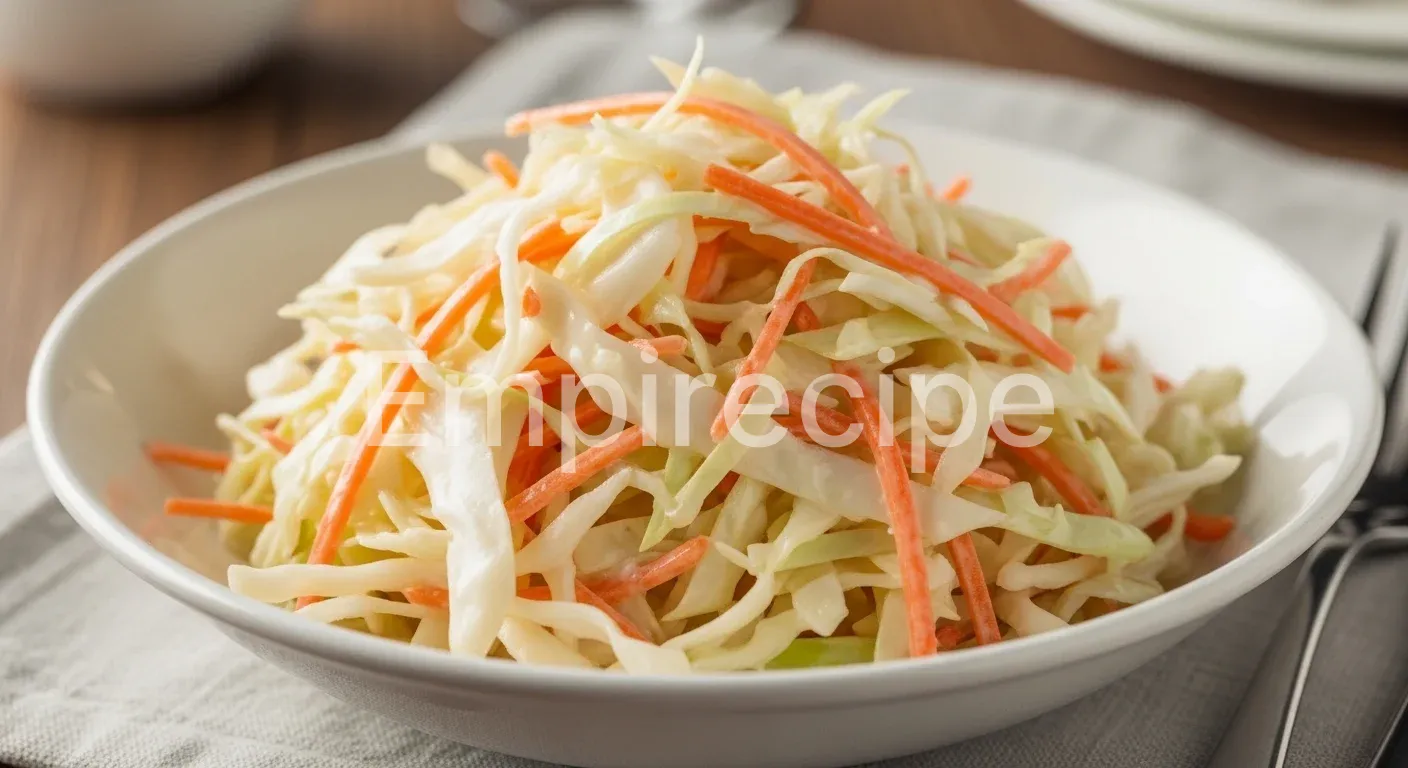

Achieving the perfect crunch requires precision and the right Classic Coleslaw Recipe. Forget those soggy, overly sweet deli versions that lack character and structural integrity. We focus on crisp textures, balanced acidity, and a creamy emulsion that coats every strand perfectly. This side dish elevates any barbecue or high-end sandwich into a bold, gourmet experience that guests will remember.
Table of Contents
Why You’ll Love This Recipe
- Maximum Crunch: Technical salting methods ensure the cabbage stays firm and fresh for hours.
- Balanced Profile: It strikes the perfect chord between tangy vinegar and rich, silky creaminess.
- Versatile Pairing: This Classic Coleslaw Recipe complements heavy proteins like smoked brisket or grilled salmon.
Ingredients You’ll Need
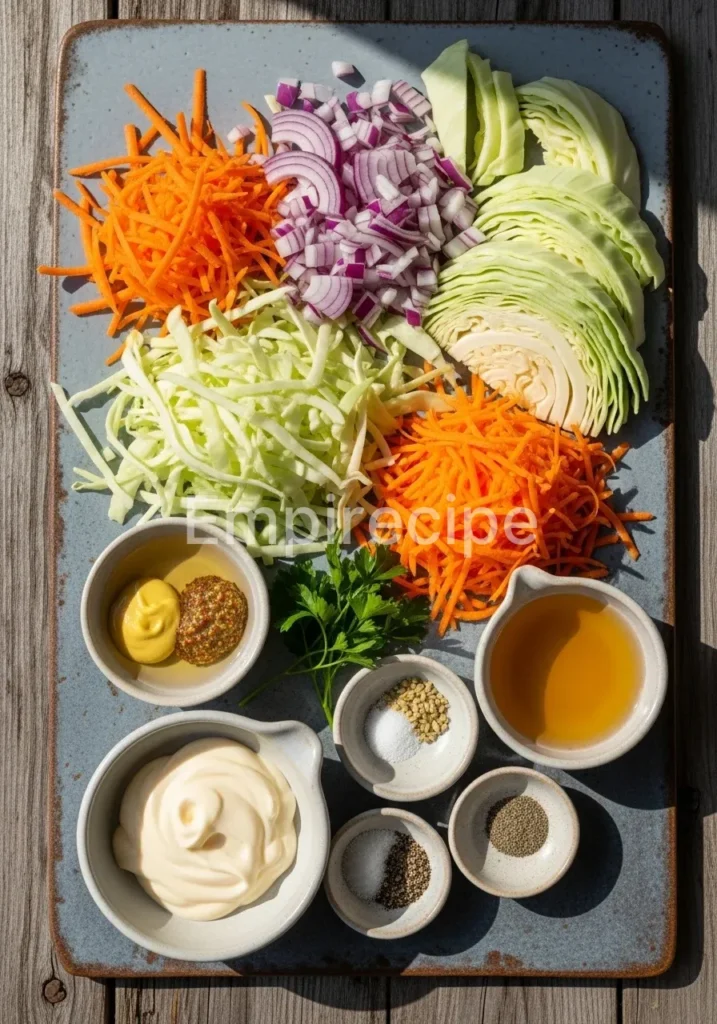
Success in the kitchen starts with raw material selection. For this Classic Coleslaw Recipe, do not settle for pre-bagged mixes. Those shredded vegetables lose moisture and flavor within hours of processing.
Instead, source whole, heavy heads of cabbage that feel dense to the touch. The water content in fresh vegetables provides the crispness we demand.
- Green Cabbage: One medium head (about 2 lbs). Look for tight leaves and vibrant color.
- Red Cabbage: One-quarter head for visual contrast and a slightly peppery flavor profile.
- Carrots: Two large carrots, peeled. Shred these yourself to maintain the structural integrity of the salad.
- Mayonnaise: One cup of high-fat, high-quality mayonnaise. This serves as the lipid base for our emulsion.
- Apple Cider Vinegar: Three tablespoons. The malic acid provides a fruitier, softer tang than white distilled vinegar.
- Dijon Mustard: One tablespoon. This acts as a secondary emulsifier and adds a necessary pungent kick.
- Sugar: Two tablespoons. We need this to balance the high acidity and stabilize the flavor profile.
- Celery Seeds: One teaspoon. These tiny seeds provide the signature earthy aroma of a Classic Coleslaw Recipe.
- Sea Salt and Freshly Cracked Black Pepper: To taste. Technical seasoning is the difference between mediocre and professional results.
Substitutions & Variations
[ra_display_video url=”https://www.youtube.com/watch?v=Po3mWJlBDN8″]
If you want to modify this Classic Coleslaw Recipe for specific dietary needs, focus on healthy swaps that don’t compromise the texture. You can substitute half of the mayonnaise with Greek yogurt to increase protein and add a probiotic tang. For a vegan version, use a high-quality avocado oil-based vegan mayo.
If you are monitoring sugar intake, replace the granulated sugar with a small amount of honey or maple syrup. However, remember that sugar also helps draw out excess moisture, so adjust your salting time accordingly.
For those looking to modify this Classic Coleslaw Recipe for dietary needs, consider trying our Classic Deviled Eggs Recipe as a protein-rich addition that pairs beautifully with refreshing salads.
Equipment You’ll Need
The quality of your Classic Coleslaw Recipe depends heavily on your blade work. A dull knife tears the cell walls of the cabbage, leading to rapid oxidation and wilting. I recommend using a Japanese mandoline for absolute uniformity.
If you prefer manual labor, a well-sharpened 8-inch chef’s knife is your best tool. You will also need a large stainless steel mixing bowl to allow for aggressive tossing. Use a whisk for the dressing to ensure the oil and acid bind correctly. Finally, a colander is essential if you follow the technical salting method to remove excess moisture from the vegetables before dressing them.
Step-by-Step Instructions

Follow these steps with technical precision to achieve the best results for your Classic Coleslaw Recipe.
- 1. Prep the Cabbage: Remove the tough outer leaves of the green and red cabbage. Quarter the heads and remove the dense core. Using your mandoline or chef’s knife, shred the cabbage into thin, uniform strips. Aim for a thickness of about 1/8th of an inch.
- 2. The Salting Phase: This is the secret to a professional Classic Coleslaw Recipe. Place the shredded cabbage in a colander over a bowl. Sprinkle with a tablespoon of salt and toss well. Let it sit for 20 to 30 minutes. This draws out excess water, preventing a watery salad later.
- 3. Shred the Carrots: While the cabbage rests, use the large holes of a box grater to shred your carrots. Long, thin shards work best for texture.
- 4. Rinse and Dry: After the salting period, rinse the cabbage thoroughly under cold water to remove the excess salt. This is a critical step. Dry the cabbage completely using a salad spinner or clean kitchen towels. Moisture is the enemy of a Classic Coleslaw Recipe.
- 5. Create the Emulsion: In a separate small bowl, combine the mayonnaise, apple cider vinegar, Dijon mustard, sugar, and celery seeds. Whisk vigorously until the mixture is smooth and the sugar has dissolved.
- 6. Combine and Toss: Place the dried cabbage and carrots into your large mixing bowl. Pour the dressing over the vegetables. Use tongs to toss everything together until every strand is evenly coated.
- 7. The Chill Factor: Cover the bowl and refrigerate for at least one hour before serving. This allows the flavors to meld and the acids to slightly soften the cabbage fibers without making them mushy.
Precision is key in preparing your coleslaw, just as it is in creating a delightful soup. Explore our Classic French Green Lentil Soup recipe for another dish that emphasizes the importance of cooking techniques.
Pro Tips for Success
To master the Classic Coleslaw Recipe, you must understand the chemistry of the ingredients. Always chill your mixing bowl before starting; a cold environment keeps the fats in the mayonnaise stable. Furthermore, do not over-mix once the dressing is added.
Over-mixing can break the delicate cell walls of the vegetables, releasing water and thinning your sauce. If you want a more colorful Classic Coleslaw Recipe, add the red cabbage last. Red cabbage contains anthocyanins that bleed purple dye when they contact acid; adding it at the end minimizes the “pinking” of the creamy dressing.
Finally, always taste for seasoning right before serving. Cold temperatures can dull the perception of salt and acid, so you may need a final pinch of salt to make the flavors pop.
Storage & Reheating Tips
Storage is straightforward, though a Classic Coleslaw Recipe is best enjoyed within the first 24 hours. Store leftovers in an airtight glass container in the refrigerator. Glass is superior to plastic as it does not retain odors or react with the vinegar.
You can keep it for up to 3 to 4 days, but be aware that it will lose some crunch each day. Never freeze coleslaw; the freezing process destroys the vegetable cell walls and breaks the mayonnaise emulsion, resulting in a separated, unappealing mess upon thawing. If the salad seems a bit dry the next day, simply whisk in a teaspoon of vinegar and a tablespoon of mayo to refresh the texture.
While this coleslaw is best enjoyed fresh, you can also complement it with a warm, comforting meal. Try our Classic One-Pot Lasagna Soup for a hearty dish that will make any leftovers sing.
What to Serve With This Recipe
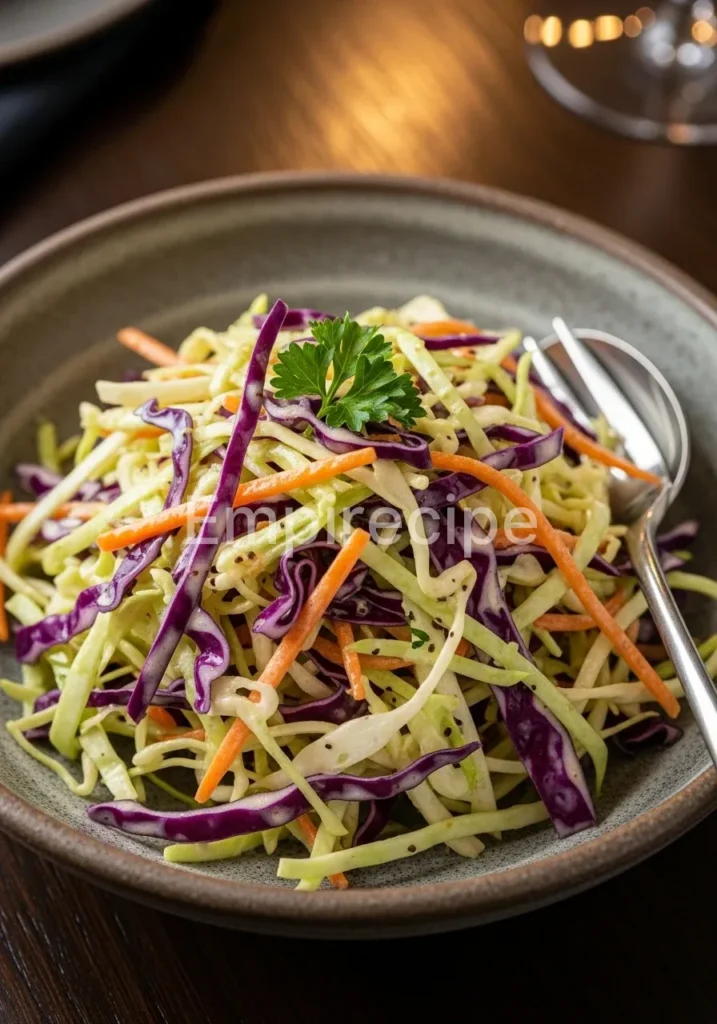
This Classic Coleslaw Recipe is a versatile powerhouse in any menu. It provides a bright, acidic counterpoint to rich, fatty meats. Pair it with slow-roasted pork shoulder or smoked ribs to cut through the grease.
It also works beautifully as a topping for fried chicken sandwiches or fish tacos, adding a much-needed crunch. For a healthier spread, serve it alongside grilled salmon or a roasted vegetable platter featuring bell peppers and zucchini. Because it is a cold salad, it balances hot dishes perfectly, making it the ultimate side for summer cookouts and heavy winter braises alike.
Frequently Asked Questions (FAQ)
Can I make this Classic Coleslaw Recipe ahead of time?
Yes, you can prepare the vegetables and the dressing separately up to two days in advance. However, do not combine them until about an hour before you plan to serve. This ensures the Classic Coleslaw Recipe stays incredibly crisp and prevents the dressing from becoming watery through osmosis.
Why is my coleslaw always watery at the bottom of the bowl?
Watery coleslaw usually results from skipping the salting and draining step. Cabbage is mostly water; when it hits salt and acid in the dressing, it releases that liquid. By salting the cabbage beforehand and drying it thoroughly, you ensure your Classic Coleslaw Recipe remains creamy from the first bite to the last.
What is the best vinegar for a Classic Coleslaw Recipe?
While many use white vinegar, apple cider vinegar is the superior choice for a Classic Coleslaw Recipe. It offers a more complex flavor and a milder acidity. If you want something sharper, you can use white wine vinegar, but avoid balsamic or red wine vinegar as they will discolor the dressing and overpower the delicate vegetables.
A Classic Coleslaw Recipe is a traditional dish made primarily from finely shredded raw cabbage and dressed most commonly with a vinaigrette or mayonnaise. This tasty salad has a crunchy texture and pairs perfectly with hearty meals, enhancing the overall dining experience; learn more about it in this detailed overview.
Final Thoughts
Mastering this Classic Coleslaw Recipe transforms a simple side into a culinary statement. It represents the intersection of technical precision and raw ingredient quality. Every crunchy bite reminds you why traditional methods outperform shortcuts. Elevate your next outdoor gathering with this definitive bowl of perfection.
Nutrition Information (per serving)
This data represents a standard serving of the Classic Coleslaw Recipe. Note that using low-fat alternatives will change these values significantly.
| Nutrient | Amount |
| Calories | 150 kcal |
| Total Fat | 12g |
| Saturated Fat | 2g |
| Carbohydrates | 9g |
| Fiber | 2g |
| Sugars | 6g |
| Protein | 1g |
| Sodium | 210mg |
Classic Coleslaw Recipe
Ingredients
Method
- Remove tough outer leaves of the green and red cabbage, quarter the heads, and remove the dense core. Shred the cabbage into thin, uniform strips.
- Place shredded cabbage in a colander over a bowl, sprinkle with salt, and let it sit for 20 to 30 minutes.
- Shred the carrots using a box grater.
- Rinse the cabbage thoroughly under cold water and dry completely using a salad spinner or clean towels.
- In a separate bowl, combine mayonnaise, apple cider vinegar, Dijon mustard, sugar, and celery seeds and whisk until smooth.
- In a large bowl, place the dried cabbage and shredded carrots, pour the dressing over them, and toss until evenly coated.
- Cover the bowl and refrigerate for at least one hour before serving.
Notes