The Best Fluffy Pancakes recipe you will fall in love with. Full of tips and tricks to help you make the best pancakes.

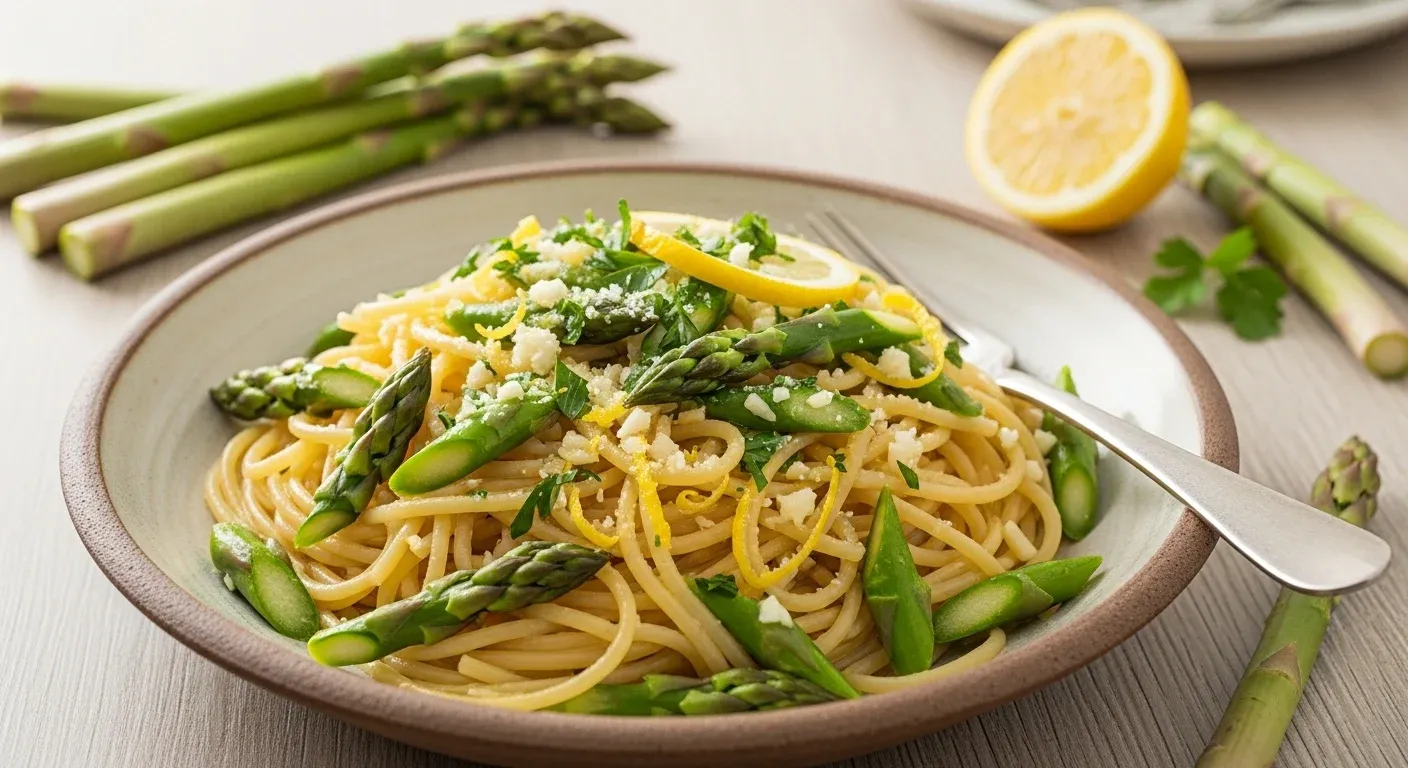
Bring the vibrant flavors of spring to your dinner table with this Asparagus Lemon Garlic Pasta. This dish combines zesty citrus notes with the earthy crunch of seasonal greens. You will adore the silky texture created by emulsified pasta water and high-quality olive oil. It is a quick, plant-forward meal that feels sophisticated yet remains incredibly simple to prepare.
Table of Contents
Why You’ll Love This Pasta
- Vibrant Flavors: The combination of fresh lemon zest and pungent garlic creates a bright, Mediterranean-inspired profile.
- Quick and Easy: You can prepare this entire meal in under 20 minutes, making it perfect for busy weeknights.
- Nutrient-Dense: Fresh asparagus provides essential fiber and vitamins while remaining low in calories.
- Sustainable Cooking: This recipe uses simple, whole-food ingredients that support an eco-friendly, plant-based lifestyle.
Ingredients You’ll Need
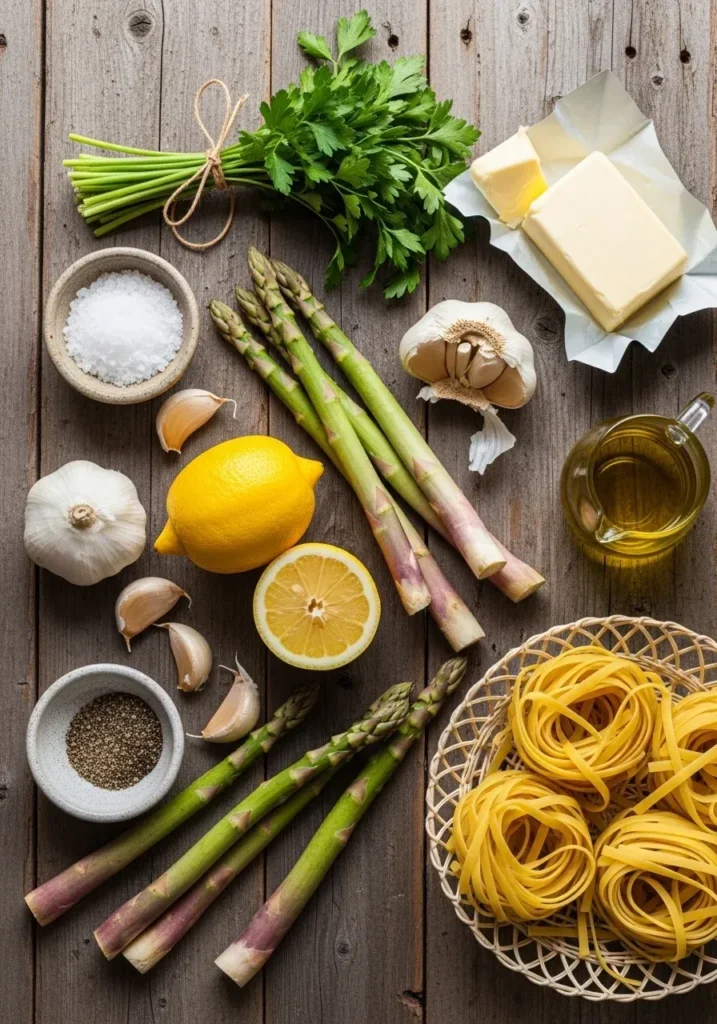
Success starts with the quality of your harvest. For this Asparagus Lemon Garlic Pasta, I always recommend sourcing organic produce to ensure the most vibrant flavors and the lowest environmental impact. Here is what you need to gather:
- Pasta: 400g of high-quality linguine, spaghetti, or fusilli (gluten-free options work beautifully too).
- Fresh Asparagus: One large bunch (about 500g), with the woody ends trimmed off.
- Garlic: 4 to 6 large cloves, thinly sliced or minced depending on your preference for intensity.
- Lemons: Two organic lemons; we will use both the fresh zest and the juice.
- Extra Virgin Olive Oil: 4 tablespoons of cold-pressed oil for a rich, fruity base.
- Red Pepper Flakes: A pinch for a gentle warmth that balances the acidity.
- Fresh Parsley: A handful of chopped flat-leaf parsley for an earthy finish.
- Sea Salt and Black Pepper: To taste, emphasizing the natural flavors of the vegetables.
- Pasta Water: The “liquid gold” that binds our sauce together perfectly.
- Optional Topping: Nutritional yeast or vegan parmesan for a savory, nutty depth.
Substitutions & Variations
[ra_display_video url=”https://www.youtube.com/watch?v=EUu90_qILH4″]
You can easily adapt this Asparagus Lemon Garlic Pasta to suit your pantry. Swap asparagus for broccolini or snap peas if they are more accessible. Use leeks instead of garlic for a softer, sweeter aromatic base.
If you enjoy this Asparagus Lemon Garlic Pasta, consider trying a unique twist with asparagus using this Asparagus Ends Recipe. It showcases how versatile asparagus can be in various dishes.
Equipment You’ll Need
Having the right tools makes the cooking process fluid and enjoyable. You do not need a professional kitchen to master this recipe, but these items will certainly help:
- Large Stockpot: For boiling the pasta in plenty of salted water.
- Large Skillet or Sauté Pan: Ideally stainless steel or cast iron to get a nice sear on the asparagus.
- Microplane or Zester: Essential for getting that fine, fragrant lemon zest without the bitter pith.
- Chef’s Knife: A sharp blade ensures clean cuts for your garlic and asparagus spears.
- Tongs: To easily toss the pasta and coat every strand in the lemon-garlic emulsion.
- Colander: To drain the pasta (but remember to save that precious cooking water!).
Step-by-Step Instructions
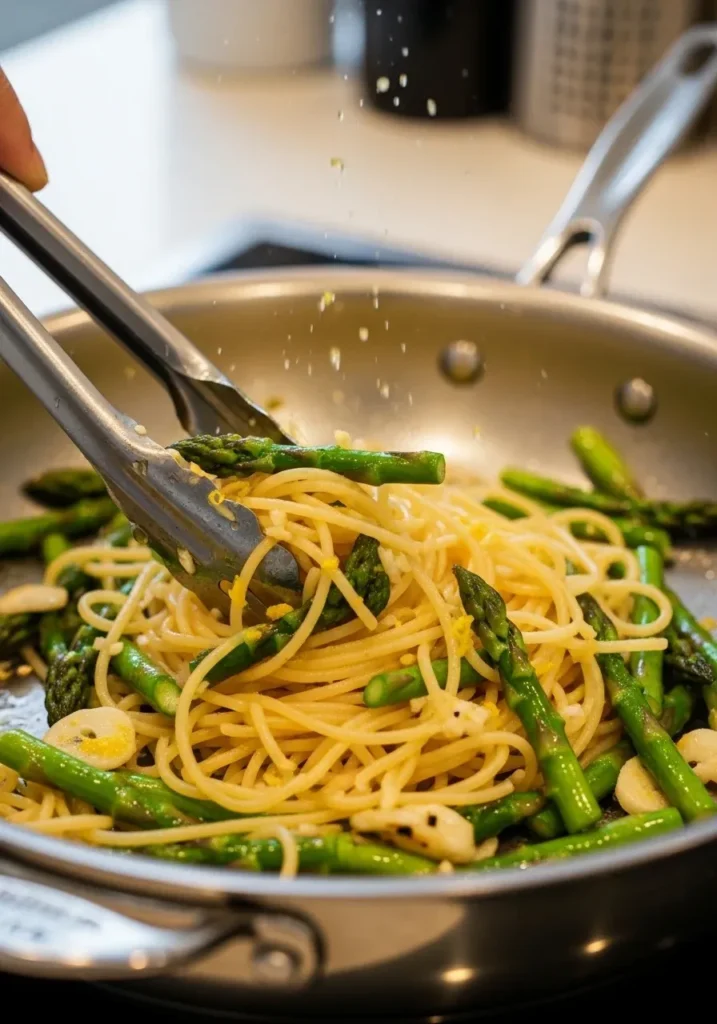
- Boil the Water: Fill a large pot with water and add a generous amount of salt. This is your only chance to season the pasta itself. Bring it to a rolling boil.
- Prepare the Asparagus: While the water heats, wash your asparagus. Snap off the woody bottoms. Cut the remaining stalks into 2-inch pieces, keeping the delicate tips intact.
- Cook the Pasta: Add your pasta to the boiling water. Cook it for about 2 minutes less than the package instructions suggest. We want it very “al dente” because it will finish cooking in the pan.
- Sauté the Aromatics: In your large skillet, heat the olive oil over medium heat. Add the sliced garlic and red pepper flakes. Sauté for about 1-2 minutes until the garlic is fragrant and golden but not brown.
- Sear the Asparagus: Toss the asparagus pieces into the skillet with the garlic. Cook for 3-5 minutes. You want them to stay bright green and slightly crisp.
- Emulsify the Sauce: Before draining the pasta, scoop out about 1 cup of the starchy pasta water. Add the lemon juice and half of the zest into the skillet with the asparagus.
- Combine: Transfer the pasta directly into the skillet using tongs. Pour in half of the reserved pasta water. Toss vigorously over medium-high heat.
- Final Touch: The starch in the water will mix with the oil and lemon juice to create a glossy sauce. If it looks dry, add more pasta water. Stir in the fresh parsley and remaining lemon zest.
- Season: Taste and add sea salt and freshly cracked black pepper. Serve immediately while steaming hot.
As you prepare your pasta, don’t overlook the delightful possibilities with asparagus, like this recipe for Simple Sesame Asparagus. It offers another quick and delicious way to enjoy this nutritious vegetable.
Pro Tips for Success
To truly elevate your Asparagus Lemon Garlic Pasta, pay attention to the details. First, never discard all of your pasta water. The starch released by the pasta acts as a natural thickener, turning a simple oil base into a restaurant-quality sauce.
Second, consider the thickness of your asparagus. If you have very thin “pencil” asparagus, they only need a minute or two in the pan. Thicker stalks might benefit from a quick 60-second blanch in the pasta water before sautéing.
Third, use fresh lemons only. Bottled lemon juice lacks the bright essential oils found in the peel, which are crucial for the aroma of this dish. When zesting, stop before you hit the white part of the skin, as the pith is quite bitter.
Finally, do not be afraid of the garlic. Slicing it thinly rather than mincing it provides a mellow, sweet flavor that won’t overpower the delicate asparagus.
Storage & Reheating Tips
This Asparagus Lemon Garlic Pasta is best enjoyed fresh, as the lemon flavor is most vibrant immediately after cooking. However, you can store leftovers in an airtight container in the refrigerator for up to 3 days. When reheating, avoid the microwave if possible, as it can make the pasta rubbery and the asparagus mushy.
Instead, place the pasta back in a skillet over medium heat. Add a splash of water or a drizzle of olive oil to loosen the sauce and revive the textures. Stir gently until heated through, then add a fresh squeeze of lemon to brighten the flavors once again.
For those wanting to enhance their asparagus dishes even further, you might love this Garlic Butter Asparagus recipe. It’s a rich complement that pairs beautifully with pasta.
What to Serve With This Recipe

To create a complete and balanced meal, pair your Asparagus Lemon Garlic Pasta with light, refreshing sides. A crisp arugula salad with a balsamic glaze provides a peppery contrast to the citrusy pasta. If you want more protein, roasted chickpeas seasoned with smoked paprika add a lovely crunch.
For an eco-friendly touch, serve with crusty sourdough bread to soak up every last drop of the garlic-infused oil. This dish also pairs beautifully with roasted cherry tomatoes or a side of steamed artichokes, keeping the meal strictly plant-based and full of seasonal colors.
Frequently Asked Questions (FAQ)
Can I make this pasta gluten-free?
Absolutely! This Asparagus Lemon Garlic Pasta works perfectly with gluten-free alternatives like brown rice pasta, chickpea flour pasta, or even zoodles (zucchini noodles). Just ensure you monitor the cooking time carefully, as gluten-free varieties can become soft quickly. If using zoodles, sauté them for only 1-2 minutes to maintain their structure.
How do I keep the asparagus bright green?
The secret to keeping asparagus vibrant in your Asparagus Lemon Garlic Pasta is to avoid overcooking. Sauté them just until they are fork-tender. If you are worried about them turning brown, you can “shock” them in ice water after a quick blanch, though sautéing them directly in the garlic oil usually preserves their color well enough for a rustic home meal.
What is the best pasta shape for this sauce?
Long, thin shapes like linguine or spaghetti are traditional for oil-based sauces as they provide a large surface area for the emulsion to cling to. However, short shapes like orecchiette or fusilli are excellent for “catching” the garlic slices and lemon zest in their ridges. Use whatever you have in your sustainable pantry!
Asparagus is a versatile and nutritious vegetable commonly used in various cuisines, known for its unique flavor and health benefits. Incorporating ingredients like garlic and lemon can elevate its taste profile and create delightful dishes like this pasta, showcasing its natural appeal in a culinary context.
Final Thoughts
This Asparagus Lemon Garlic Pasta celebrates the harmony of simple, seasonal ingredients. It is a testament to how creative, plant-based cooking can be both luxurious and sustainable. I hope this colorful dish brings a burst of sunshine and joy to your kitchen tonight. Happy cooking, friends!
Nutrition Information (per serving)
| Nutrient | Amount |
|---|---|
| Calories | 420 kcal |
| Total Fat | 14g |
| Saturated Fat | 2g |
| Carbohydrates | 62g |
| Fiber | 6g |
| Sugars | 4g |
| Protein | 12g |
| Sodium | 150mg |
Asparagus Lemon Garlic Pasta
A vibrant and quick Asparagus Lemon Garlic Pasta that combines fresh lemon zest and garlic with seasonal asparagus for a plant-forward dish.
Ingredients
Method
- Fill a large pot with water and add a generous amount of salt. Bring to a rolling boil.
- Wash the asparagus, snap off the woody ends, and cut the stalks into 2-inch pieces.
- Add the pasta to the boiling water and cook it for about 2 minutes less than package instructions.
- In a large skillet, heat the olive oil over medium heat. Add garlic and red pepper flakes, sauté for 1-2 minutes until fragrant.
- Add asparagus pieces to the skillet, cooking for 3-5 minutes until slightly crisp.
- Before draining the pasta, scoop out about 1 cup of pasta water. Add lemon juice and half of the zest to the skillet.
- Transfer the pasta directly into the skillet and pour in half of the reserved pasta water. Toss vigorously over medium-high heat.
- Add more pasta water if the sauce looks dry, then stir in parsley and remaining lemon zest.
- Taste and season with sea salt and black pepper. Serve immediately.
Notes
Store leftovers in an airtight container for up to 3 days. Reheat in a skillet, adding a splash of water or olive oil to avoid rubbery pasta.