The Best Fluffy Pancakes recipe you will fall in love with. Full of tips and tricks to help you make the best pancakes.

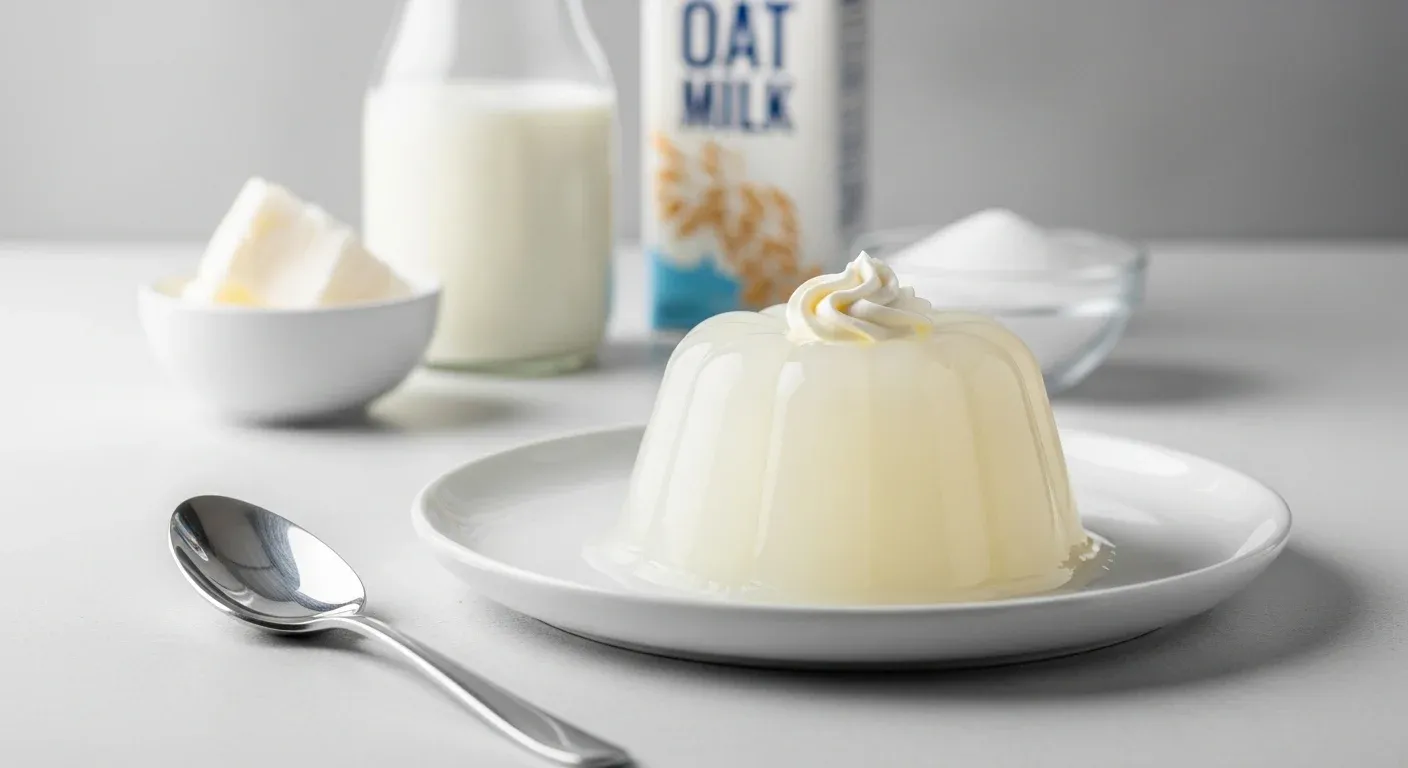
Looking for a minimalist masterpiece? This White Gelatin Recipe delivers a clean, velvety texture that challenges the complexity of modern pastry. I focus on precision and high-quality fats to ensure every bite provides a structural triumph.
Forget the sugary, artificial boxes; this White Gelatin Recipe uses real dairy or plant-based alternatives for a sophisticated finish. You will achieve a dessert that is as visually striking as it is technically sound.
Table of Contents
Why You’ll Love This White Gelatin Recipe
- Structural Integrity: This White Gelatin Recipe offers a firm yet tender set that holds its shape perfectly for plating.
- Minimalist Profile: It features a clean, creamy flavor that acts as a blank canvas for high-end infusions.
- Nutritional Efficiency: By controlling the ingredients, you maximize protein intake while minimizing processed sugars.
Ingredients You’ll Need
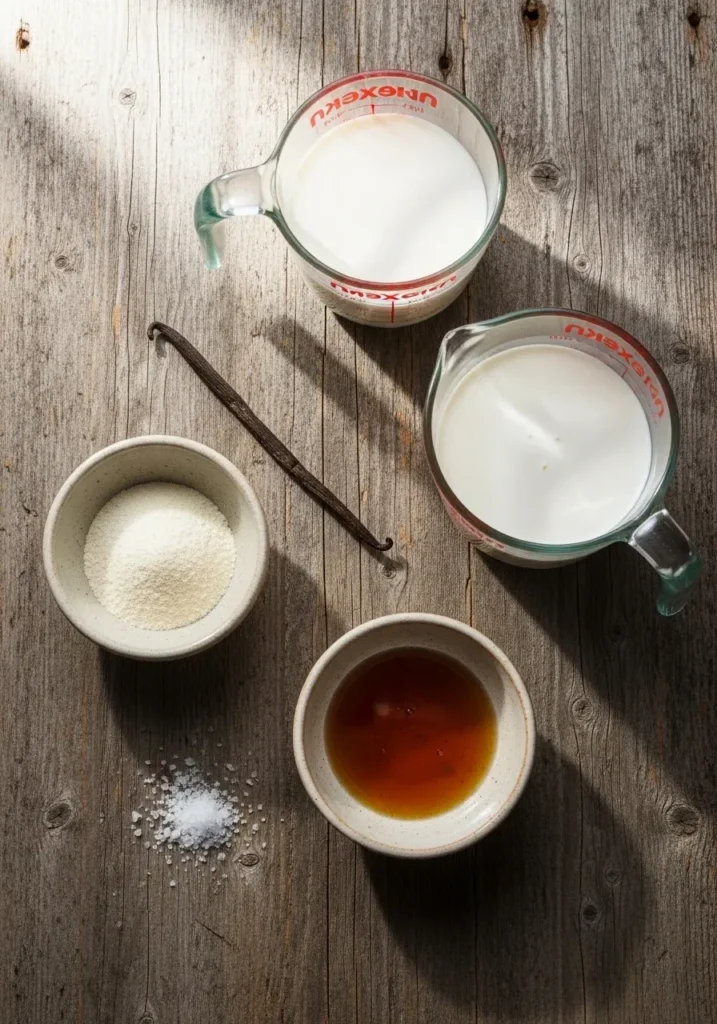
To execute a high-quality White Gelatin Recipe, you must prioritize the purity of your ingredients. The fat content in your dairy directly affects the mouthfeel, while the quality of your gelling agent dictates the bounce. I recommend using organic heavy cream and grass-fed gelatin for the best results.
| Ingredient | Quantity | Purpose |
|---|---|---|
| Whole Milk | 2 Cups | The primary base for a smooth hydration of the gelatin. |
| Heavy Cream | 1 Cup | Provides the necessary lipids for a luxurious, rich texture. |
| Unflavored Gelatin Powder | 3 Packets (approx. 21g) | The structural backbone of this White Gelatin Recipe. |
| Natural Sweetener (Allulose or Stevia) | 1/2 Cup | Keeps the recipe low-glycemic without compromising on taste. |
| Pure Vanilla Bean Paste | 1 Teaspoon | Adds visual depth with flecks and a complex aromatic profile. |
| Sea Salt | 1 Pinch | Crucial for balancing the sweetness and enhancing the dairy. |
Substitutions & Variations
[ra_display_video url=”https://www.youtube.com/watch?v=MU-SJlGiWS8″]
If you require a dairy-free White Gelatin Recipe, you can swap the milk and cream for full-fat coconut milk and cashew milk. Ensure the fat content remains high to maintain the creamy opacity. For a vegan alternative, use agar-agar powder, but keep in mind that agar sets much firmer and requires a boiling stage to activate properly. You can also infuse the liquid with lavender or cardamom for an innovative twist on the classic flavor.
If you’re looking for a dairy-free version of this White Gelatin Recipe, consider swapping traditional milk with full-fat coconut and cashew milk for an equally creamy result. Additionally, for a delightful infusion, try our White Raspberry Love Cake recipe which complements this gelatin beautifully.
Equipment You’ll Need
Technical success in this White Gelatin Recipe requires the right gear. Do not attempt to eye-ball the measurements; precision is the difference between a rubbery mess and a culinary delight.
- Digital Kitchen Scale: For measuring your gelatin to the gram.
- Small Heavy-Bottomed Saucepan: Ensures even heat distribution to prevent scorching the proteins in the milk.
- Fine-Mesh Sieve: Essential for removing any undissolved gelatin granules during the pouring phase.
- Silicone Molds: Allows for easy release and maintains the sharp edges of your White Gelatin Recipe.
- Instant-Read Thermometer: To monitor the liquid temperature precisely.
- Balloon Whisk: To incorporate the powder without creating excessive air bubbles.
Step-by-Step Instructions
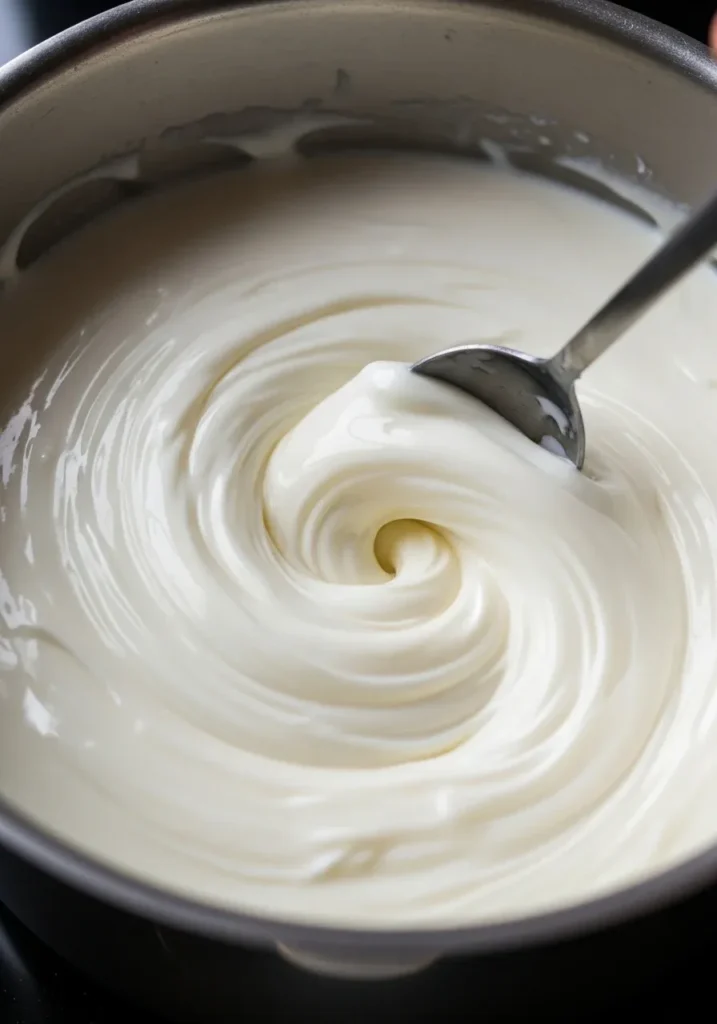
Follow these steps with technical discipline to ensure your White Gelatin Recipe sets with professional clarity.
- Bloom the Gelatin: Pour 1/2 cup of the cold whole milk into a small bowl. Sprinkle the gelatin powder evenly over the surface. Let it sit for 5 to 10 minutes. This hydration phase is critical for a smooth White Gelatin Recipe.
- Combine the Liquids: In your saucepan, combine the remaining milk, heavy cream, and sweetener. Set the heat to medium-low. You want to warm the mixture, not boil it. Aim for a temperature of about 150°F (65°C).
- Dissolve the Sweetener: Whisk the mixture gently until the sweetener and salt have completely dissolved. Avoid vigorous whisking to prevent foam formation on the surface of your White Gelatin Recipe.
- Integrate the Gelatin: Once the milk mixture is warm, add the bloomed gelatin mass. Stir constantly with a whisk until you no longer see any translucent grains. The heat will melt the gelatin into a homogeneous liquid.
- Add Aromatics: Remove the pan from the heat and stir in the vanilla bean paste. Adding it at the end preserves the volatile aromatic compounds.
- Strain and Pour: Pass the liquid through a fine-mesh sieve into a pitcher. This ensures the White Gelatin Recipe is perfectly smooth. Pour the liquid into your chosen molds or a large glass dish.
- The Setting Phase: Let the molds sit at room temperature for 20 minutes before moving them to the refrigerator. Chill for at least 4 to 6 hours, or ideally overnight, for the molecular bonds to fully stabilize.
- Unmold: If using silicone molds, gently pull the edges away from the gelatin to break the vacuum. Invert onto a plate. Your White Gelatin Recipe is now ready for presentation.
The technique outlined here is crucial for ensuring your White Gelatin Recipe sets perfectly with clarity and precision. While you’re perfecting your skills, you might enjoy experimenting with our White Chicken Lasagna Soup, where layering flavors is just as delicate.
Pro Tips for Success
To master the White Gelatin Recipe, you must understand the science of hydrocolloids. First, never boil your gelatin. Excessive heat (above 212°F) can break down the protein chains, resulting in a weak set that lacks the characteristic “snap.” Second, consider the “Bloom strength” of your gelatin.
Most grocery store packets are around 225-250 Bloom. if you use a silver or gold grade leaf gelatin, you must adjust the weight accordingly.
Always strain your mixture. Even the most careful chef can have a few stubborn granules that refuse to melt. A quick pass through a sieve guarantees a professional mouthfeel.
Finally, when unmolding, if the gelatin sticks, dip the bottom of the mold into warm water for exactly five seconds. This slightly melts the outer layer, allowing the White Gelatin Recipe to slide out with a mirror-like finish.
Storage & Reheating Tips
The White Gelatin Recipe is inherently stable but requires proper storage to prevent dehydration. Store the finished gelatin in an airtight container in the refrigerator. If left uncovered, the surface will develop a “skin” and lose its delicate texture. It will stay fresh for up to 5 days.
Do not freeze this White Gelatin Recipe. Freezing destroys the protein structure of the gelatin, leading to a grainy, watery mess upon thawing. As for reheating, while you shouldn’t reheat a set gelatin dessert to eat it warm, you can melt it back down into a liquid state if you need to reshape it. Simply place it in a bowl over a double boiler until it liquefies, then reset it in the fridge.
Proper storage is key to maintaining the delicate texture of your White Gelatin Recipe, so remember to keep it in an airtight container. And while you’re exploring preservation techniques, check out our 6 Ingredients For The Best White Cheese Chicken Lasagna for tips on keeping other dishes fresh.
What to Serve With This Recipe
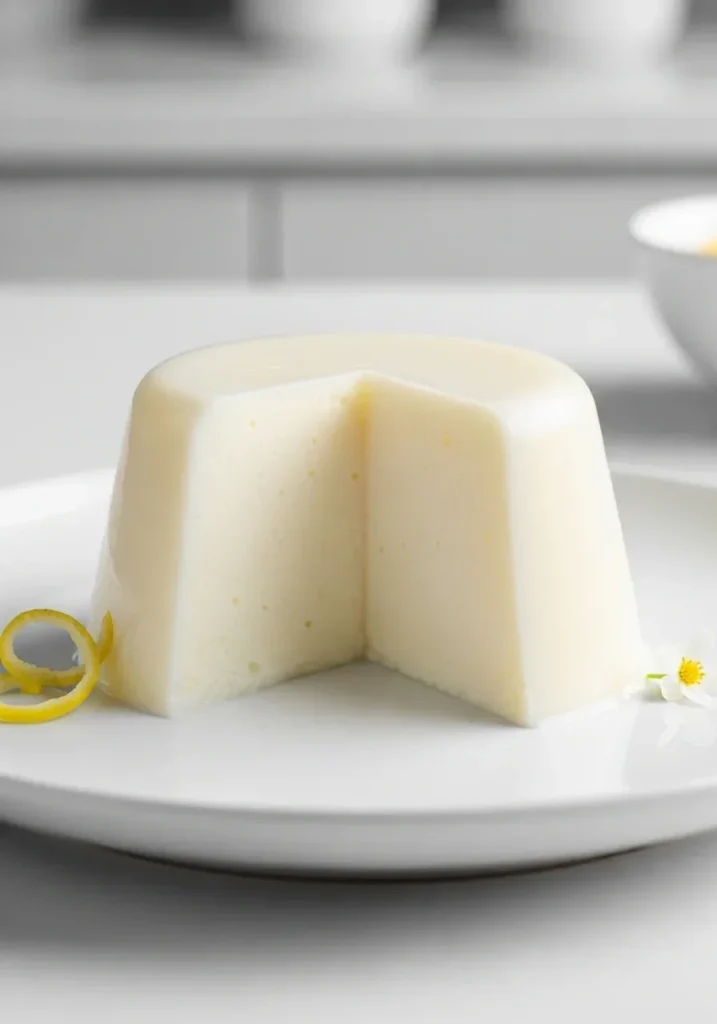
Since this White Gelatin Recipe is rich and creamy, you should pair it with high-acidity components to cleanse the palate. A fresh raspberry coulis or a macerated strawberry salad works perfectly. The tartness of the berries cuts through the lipids in the heavy cream.
For a more modern approach, serve the White Gelatin Recipe alongside roasted peaches with a hint of balsamic glaze. The smoky, caramelized notes of the fruit provide a brilliant contrast to the clean white aesthetic. If you want to keep it strictly healthy, a simple topping of toasted pistachios or a sprinkle of hemp hearts adds a necessary crunch without adding processed sugars.
Frequently Asked Questions (FAQ)
Can I make this White Gelatin Recipe vegan?
Yes, you can substitute the gelatin for agar-agar and use coconut milk. However, remember that agar-agar requires boiling for two minutes to activate its gelling properties, unlike animal-based gelatin which only needs gentle heat. The texture of a vegan White Gelatin Recipe will be more brittle and less “bouncy” than the original version.
Why is my gelatin rubbery?
If your White Gelatin Recipe turned out rubbery, you likely used too much gelatin powder or let the liquid evaporate too much during the heating process. Precision in measurement is vital. Always use a digital scale to ensure the ratio of liquid to powder is exactly as specified in the White Gelatin Recipe instructions.
How do I prevent bubbles on the surface?
Bubbles are the enemy of a sleek White Gelatin Recipe. To avoid them, whisk gently and never let the mixture reach a rolling boil. If you see bubbles after pouring into the molds, you can lightly run a kitchen torch over the surface or use a toothpick to pop them before the gelatin begins to set.
White gelatin is a versatile ingredient often used in various culinary applications, from desserts to savory dishes. It plays a vital role in modern culinary arts, enabling cooks to create textures and appearances that enhance the dining experience, much like the classic use of gelling agents outlined in related articles on gelling agents.
Final Thoughts
This White Gelatin Recipe represents the perfect intersection of culinary science and minimalist design. It challenges you to master the basics of hydrocolloids while delivering a flavor profile that is both nostalgic and modern. Perfect for those who demand precision in every single bite.
Nutrition Information (per serving)
This data is based on a White Gelatin Recipe using whole milk and heavy cream with a natural sugar substitute.
| Metric | Value |
|---|---|
| Calories | 145 kcal |
| Total Fat | 11g |
| Protein | 8g |
| Net Carbs | 3g |
| Sodium | 45mg |
White Gelatin Recipe
This White Gelatin Recipe delivers a clean, velvety texture that challenges the complexity of modern pastry, using high-quality fats and precision to create a sophisticated dessert.
Ingredients
Method
- Bloom the Gelatin: Pour 1/2 cup of the cold whole milk into a small bowl. Sprinkle the gelatin powder evenly over the surface. Let it sit for 5 to 10 minutes.
- Combine the Liquids: In your saucepan, combine the remaining milk, heavy cream, and sweetener. Set the heat to medium-low and warm the mixture to about 150°F (65°C).
- Dissolve the Sweetener: Whisk the mixture gently until the sweetener and salt have completely dissolved.
- Integrate the Gelatin: Add the bloomed gelatin mass to the warm milk mixture, stirring constantly until the gelatin is fully dissolved.
- Add Aromatics: Remove from heat and stir in the vanilla bean paste.
- Strain and Pour: Pass the liquid through a fine-mesh sieve into a pitcher and pour into molds.
- The Setting Phase: Let the molds sit at room temperature for 20 minutes before refrigerating for 4 to 6 hours or ideally overnight.
- Unmold: If using silicone molds, gently pull the edges away to release the gelatin onto a plate.
Notes
Ensure precision in measuring ingredients to avoid a rubbery texture. Strain to remove undissolved granules for a smooth finish.