The Best Fluffy Pancakes recipe you will fall in love with. Full of tips and tricks to help you make the best pancakes.

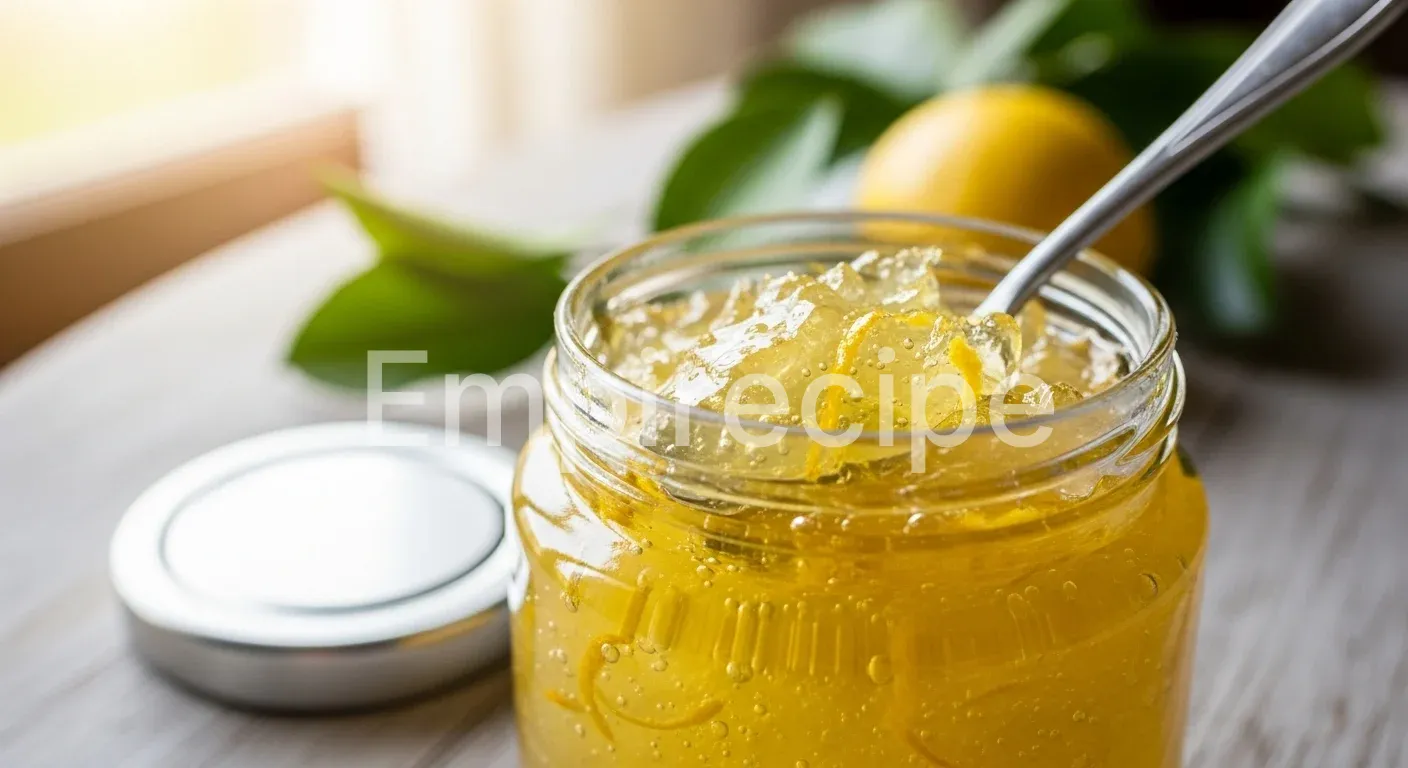
Experience the sharp, translucent brilliance of authentic Sicilian Lemon Jelly. This preserve captures the volcanic terroir of Sicily, offering intense acidity and a clean finish. We are creating a crystalline structure that highlights pure citrus oils and fresh juice. Mastering Sicilian Lemon Jelly elevates your pantry game immediately and provides a versatile tool for both sweet and savory applications.
Table of Contents
Why You’ll Love This Sicilian Lemon Jelly
- Delivers a high-octane citrus punch with professional-grade clarity.
- Uses technical precision to ensure a perfect, spreadable set every time.
- Provides a clean, preservative-free alternative to industrial fruit spreads.
Ingredients You’ll Need
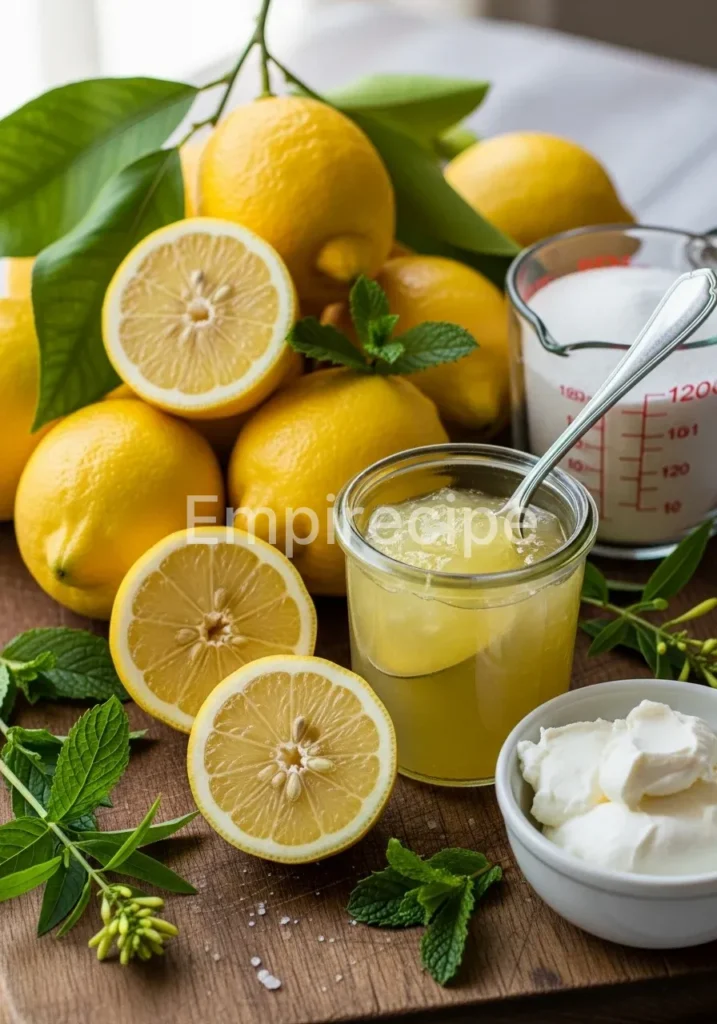
To produce a superior Sicilian Lemon Jelly, you must source the highest quality fruit. Look for Femminello Siracusano lemons if possible, as their high juice content and essential oil density are unmatched. The quality of your water also matters; use filtered water to avoid mineral interference with the pectin bond.
- 4 Cups of Freshly Squeezed Sicilian Lemon Juice: This provides the primary acid profile and flavor base.
- 6 Cups of Granulated White Sugar: Sugar acts as the preserving agent and creates the necessary osmotic pressure for the set.
- 2 Cups of Filtered Water: This dilutes the acidity to the optimal pH level for jellification.
- 1 Box (1.75 oz) of High-Quality Powdered Pectin: Choose a reputable brand to ensure consistent results.
- 1 Teaspoon of Lemon Zest (Microplaned): This adds essential oils without compromising the jelly’s transparency.
- 1/2 Teaspoon of Butter: This optional ingredient acts as a surfactant to reduce foaming during the boiling process.
Substitutions & Variations
Note: This video is for demonstration purposes and may use a slightly different method.
If you want a healthier Sicilian Lemon Jelly, you can experiment with low-methoxyl pectin. This specific type of pectin allows you to use significantly less sugar while still achieving a firm structure. You may substitute granulated sugar with organic cane sugar, though this might slightly darken the final color.
For a deeper flavor profile, consider adding a pinch of saffron; the yellow hues will intensify, and the earthy notes complement the citrus. Avoid using honey as a total replacement, as its moisture content and flavor profile can overwhelm the delicate Sicilian Lemon Jelly. If Sicilian lemons are unavailable, use a blend of Eureka lemons and a touch of Meyer lemon juice to mimic the complex acidity.
If you’re looking to enhance your Sicilian Lemon Jelly with a healthier twist, you might consider low-methoxyl pectin. This substitute allows for reduced sugar without compromising the jelly’s texture, similar to the techniques found in our Authentic Italian Chicken Parmesan Recipe You Need to Try.
Equipment You’ll Need
Precision is the hallmark of a great chef. For Sicilian Lemon Jelly, you need tools that offer consistent performance. A heavy-bottomed stainless steel pot is essential because it prevents hotspots that could scorch the sugar.
Avoid reactive metals like aluminum or unlined copper, as the high acidity of the Sicilian Lemon Jelly will cause a metallic aftertaste. A digital candy thermometer is your most important ally here; you cannot rely on visual cues alone if you want professional results.
You also need a fine-mesh sieve or a jelly bag to ensure the juice remains crystal clear before you begin the cooking process. Finally, use sterilized glass jars with new lids to guarantee a vacuum seal for long-term storage.
Step-by-Step Instructions
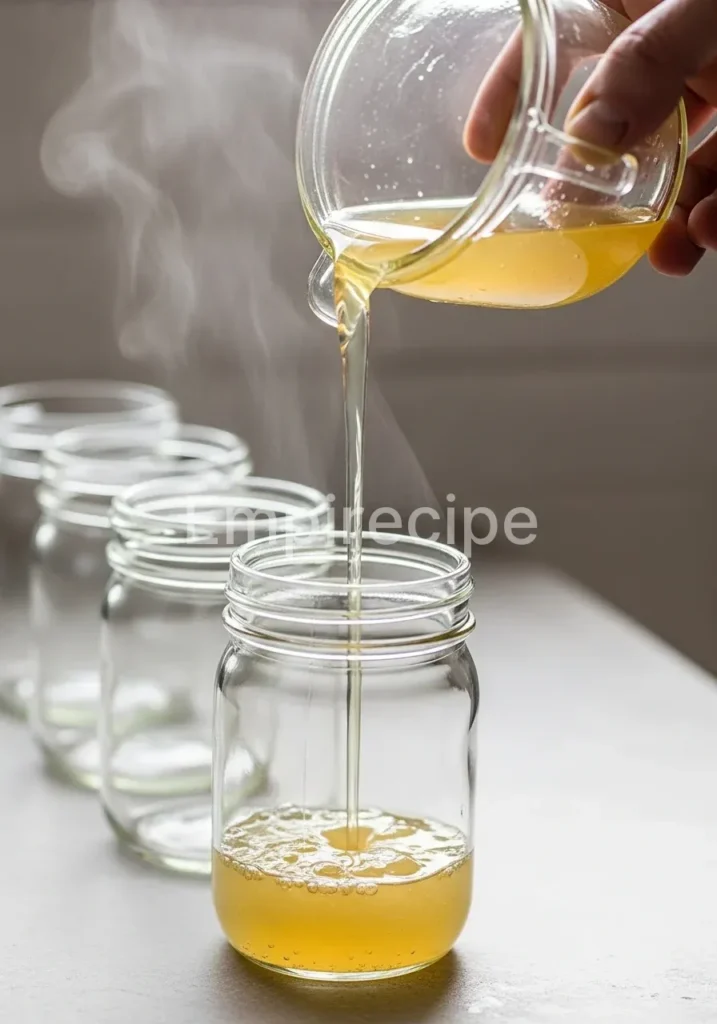
- Extract the Essence: Wash the lemons thoroughly. Zest one lemon finely using a microplane. Juice the lemons until you have exactly four cups. Strain the juice through a fine-mesh sieve or cheesecloth to remove all pulp and seeds, ensuring your Sicilian Lemon Jelly remains clear.
- Prepare the Base: In your large stainless steel pot, combine the lemon juice, water, and lemon zest. Whisk in the powdered pectin until it fully dissolves. If you are using butter to reduce foam, add it now.
- Initiate the Heat: Place the pot over high heat. Bring the mixture to a full rolling boil—a boil that does not stop when stirred. Continuous movement prevents the pectin from clumping at the bottom.
- Integrate the Sugar: Once the mixture reaches a rolling boil, pour in all the sugar at once. Stir vigorously. This is a critical stage for Sicilian Lemon Jelly because the sugar must dissolve completely before the mixture reaches the set point.
- Reach the Set Point: Bring the mixture back to a full rolling boil. Boil hard for exactly one minute while monitoring your digital thermometer. You are looking for a temperature of 220°F (104°C) at sea level. This temperature indicates that the sugar concentration and pectin chains have reached the ideal state for Sicilian Lemon Jelly.
- Skim and Jar: Remove the pot from the heat. Use a metal spoon to skim off any remaining foam from the surface. Ladle the hot Sicilian Lemon Jelly into sterilized jars, leaving exactly 1/4 inch of headspace.
- Seal and Process: Wipe the rims clean with a damp cloth. Apply the lids and rings. Process the jars in a boiling water bath for 10 minutes to ensure a shelf-stable seal. Remove the jars and let them sit undisturbed for 24 hours.
Proper preparation of your ingredients is crucial for achieving the best flavor in your Sicilian Lemon Jelly. Learn tips on ensuring that every step is perfect by checking out The Most Popular Pastries And How To Bake Them Perfectly.
Pro Tips for Success
To achieve maximum clarity in your Sicilian Lemon Jelly, never squeeze the jelly bag if you are using one for the juice extraction. Let gravity do the work. If you force the liquid through, you will push solids into the mixture, resulting in a cloudy product.
Another technical tip involves the “Wrinkle Test.” Before you start, place a few small plates in the freezer. When you think the Sicilian Lemon Jelly is ready, drop a small spoonful onto a cold plate and return it to the freezer for one minute. If the surface wrinkles when pushed with your finger, the set is perfect.
Furthermore, pay attention to altitude; for every 1,000 feet above sea level, subtract 2 degrees Fahrenheit from your target boiling point. Mastering these nuances ensures your Sicilian Lemon Jelly ranks among the best.
Storage & Reheating Tips
Store your sealed jars of Sicilian Lemon Jelly in a cool, dark, and dry place. Under these conditions, the jelly will maintain its vibrant flavor and color for up to 12 months. Once you open a jar, you must refrigerate it.
It will remain fresh for about 3 to 4 weeks in the fridge. Do not freeze the jelly in the glass jars, as the expansion could shatter the glass. If the Sicilian Lemon Jelly becomes too firm in the fridge, let it sit at room temperature for 15 minutes before serving.
Avoid reheating the entire jar, as repeated thermal cycles will break down the pectin structure and turn the jelly into a syrupy mess. Use a clean spoon every time to prevent cross-contamination and mold growth.
Storing your Sicilian Lemon Jelly correctly extends its shelf life and preserves its vibrant flavor. For advice on maintaining culinary creations, explore our guide on How To Make The Perfect Crab Brûlée Recipes At Home.
What to Serve With This Recipe
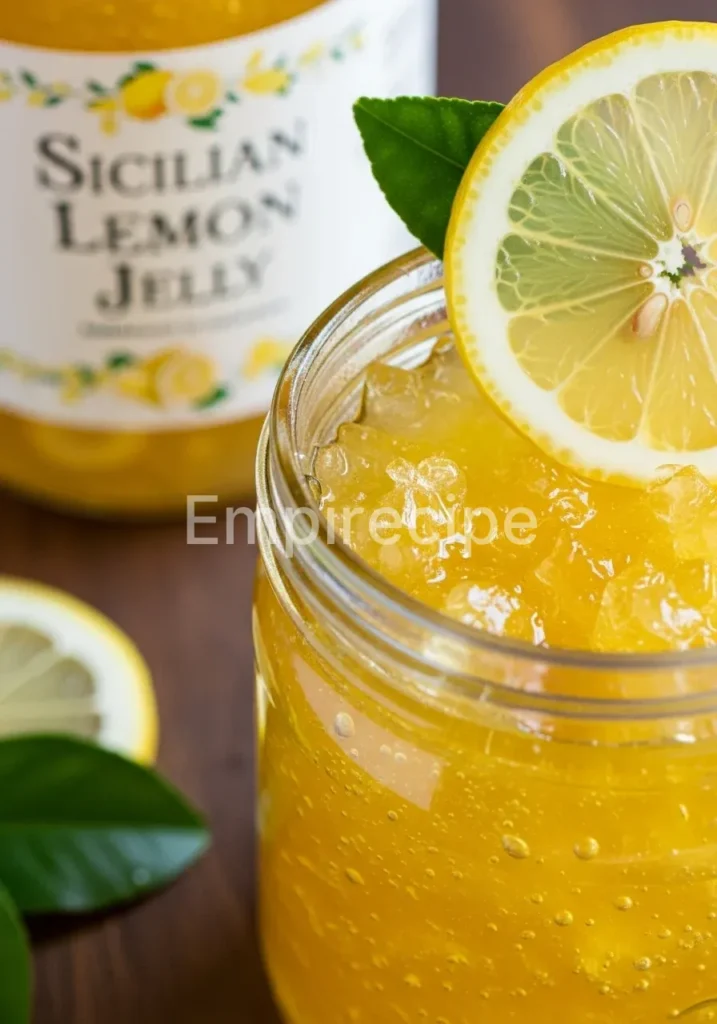
The high acidity of Sicilian Lemon Jelly makes it an incredible companion for rich, fatty foods. I recommend serving it alongside a plate of roasted chicken or as a glaze for wild-caught salmon. The citrus notes cut through the protein’s richness perfectly.
On the vegetarian side, try pairing it with a sharp Gorgonzola or a creamy goat cheese; the contrast between the tangy cheese and the sweet-tart jelly is phenomenal. For a modern breakfast, spread it over toasted sourdough topped with ricotta and a sprinkle of cracked black pepper. You can even whisk a tablespoon of Sicilian Lemon Jelly into a vinaigrette for a bright, citrus-forward salad dressing that coats greens beautifully.
Frequently Asked Questions (FAQ)
Can I reduce the sugar in this Sicilian Lemon Jelly?
Sugar is not just for sweetness; it is a structural component. If you use standard pectin, reducing sugar will prevent the Sicilian Lemon Jelly from setting. If you want a lower-sugar version, you must use a specific “Low Sugar” pectin variety designed for those chemical ratios. Regular sugar also acts as a preservative, so reducing it will significantly shorten the shelf life of your preserve.
Why is my Sicilian Lemon Jelly cloudy?
Cloudiness usually results from two factors: pulp in the juice or over-stirring during the final cooling phase. Ensure you strain your juice through multiple layers of cheesecloth for the clearest Sicilian Lemon Jelly. Also, avoid “poking” the jelly as it cools in the jars; the pectin chains need total stillness to form a clear, uniform matrix. If you move the jars too much, you disturb the crystallization.
Is this Sicilian Lemon Jelly vegan and gluten-free?
Yes, this Sicilian Lemon Jelly is naturally gluten-free and vegan. The thickening agent, pectin, is derived from fruit cell walls (usually apples or citrus peels), not animal products. Just ensure that the sugar you use is processed without bone char if you strictly follow a vegan diet. This recipe is a clean-label powerhouse that fits most dietary restrictions while delivering maximum flavor impact.
Sicilian Lemon Jelly is a delightful preserve made predominantly from the juice of Sicilian lemons, renowned for their intense flavor and acidity. It’s a perfect addition to both sweet and savory dishes, highlighting the unique citrus profile of its ingredients; learn more about its origin and uses in jellies.
Final Thoughts
This Sicilian Lemon Jelly represents the pinnacle of fruit preservation. It demands focus but rewards you with a luminous, professional result that cuts through any rich dish. Master the temperature, respect the pectin, and enjoy the sharpest citrus experience possible in a jar.
Nutrition Information (per serving)
The following data represents a standard serving size of one tablespoon of Sicilian Lemon Jelly. Note that the primary caloric load comes from the sugar content required for the jellification process.
| Metric | Value |
| Calories | 55 kcal |
| Total Carbohydrates | 14g |
| Sugars | 13g |
| Vitamin C | 8% DV |
| Fat | 0g |
| Protein | 0g |
Sicilian Lemon Jelly
Sicilian Lemon Jelly captures the sharp brilliance of authentic Sicilian lemons, providing intense acidity and a clean finish. This preserve is versatile and adds a professional touch to both sweet and savory dishes.
Ingredients
Method
- Wash the lemons thoroughly. Zest one lemon finely using a microplane. Juice the lemons until you have exactly four cups. Strain the juice through a fine-mesh sieve or cheesecloth to remove all pulp and seeds.
- In your large stainless steel pot, combine the lemon juice, water, and lemon zest. Whisk in the powdered pectin until it fully dissolves. If you are using butter to reduce foam, add it now.
- Place the pot over high heat. Bring the mixture to a full rolling boil.
- Once the mixture reaches a rolling boil, pour in all the sugar at once. Stir vigorously.
- Bring the mixture back to a full rolling boil. Boil hard for exactly one minute while monitoring your digital thermometer at 220°F (104°C).
- Remove the pot from the heat. Skim off any remaining foam. Ladle the hot Sicilian Lemon Jelly into sterilized jars, leaving exactly 1/4 inch of headspace.
- Wipe the rims clean, apply the lids and rings. Process the jars in a boiling water bath for 10 minutes. Remove the jars and let them sit undisturbed for 24 hours.
Notes
Use high-quality Sicilian lemons for best results. Store sealed jars in a cool, dark place for up to 12 months. Refrigerate after opening for 3-4 weeks.