The Best Fluffy Pancakes recipe you will fall in love with. Full of tips and tricks to help you make the best pancakes.

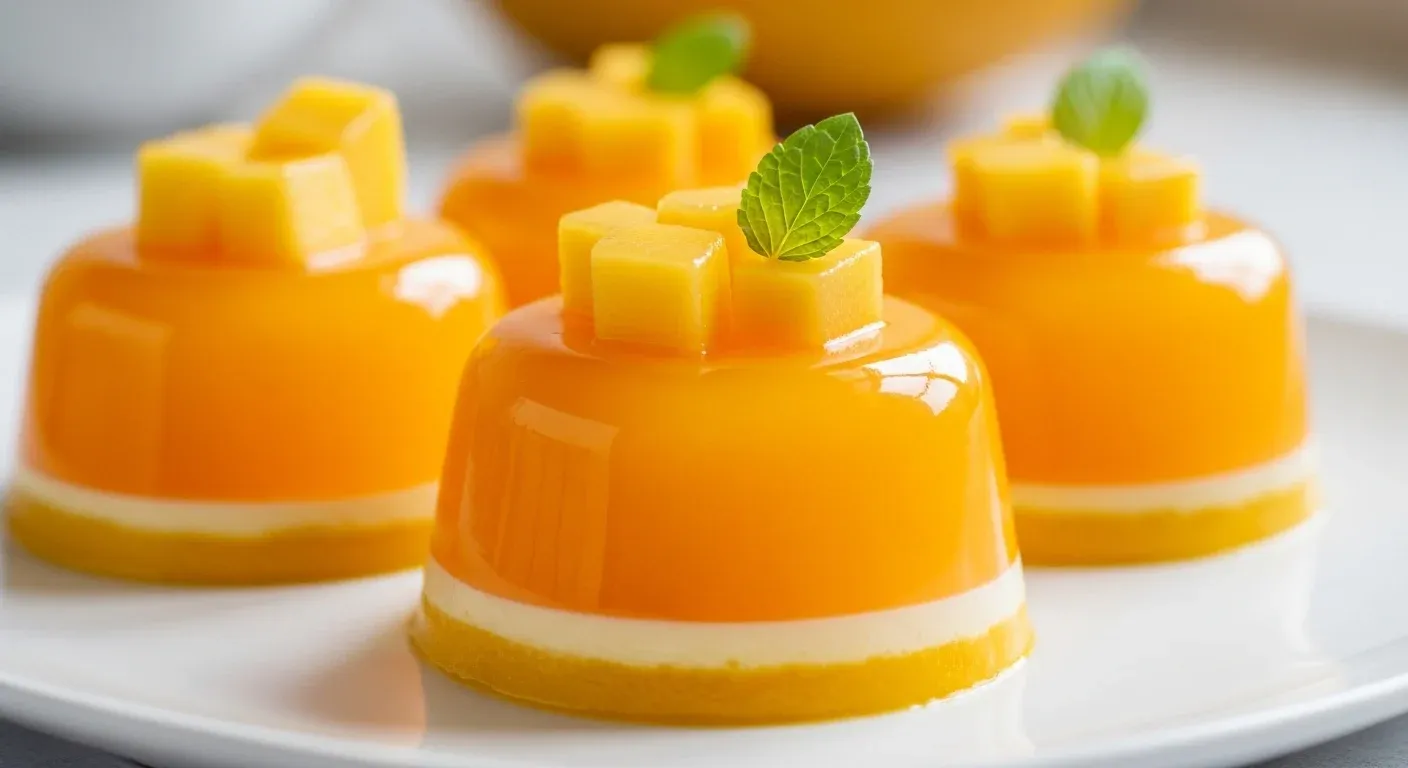
Adam here. This Mango Gelatin recipe demands precision and high-quality fruit. We are engineered for a perfect balance of structural integrity and melting mouthfeel.
Forget rubbery desserts. We want a vibrant, tropical experience that utilizes modern gelation techniques. Let’s build it now.
Table of Contents
Why You’ll Love This Mango Gelatin Recipe
- Intense, unadulterated tropical fruit profile.
- Sophisticated texture with professional-grade stability.
- Efficient prep time for high-volume results.
- Clean label ingredients with no synthetic additives.
Ingredients You’ll Need
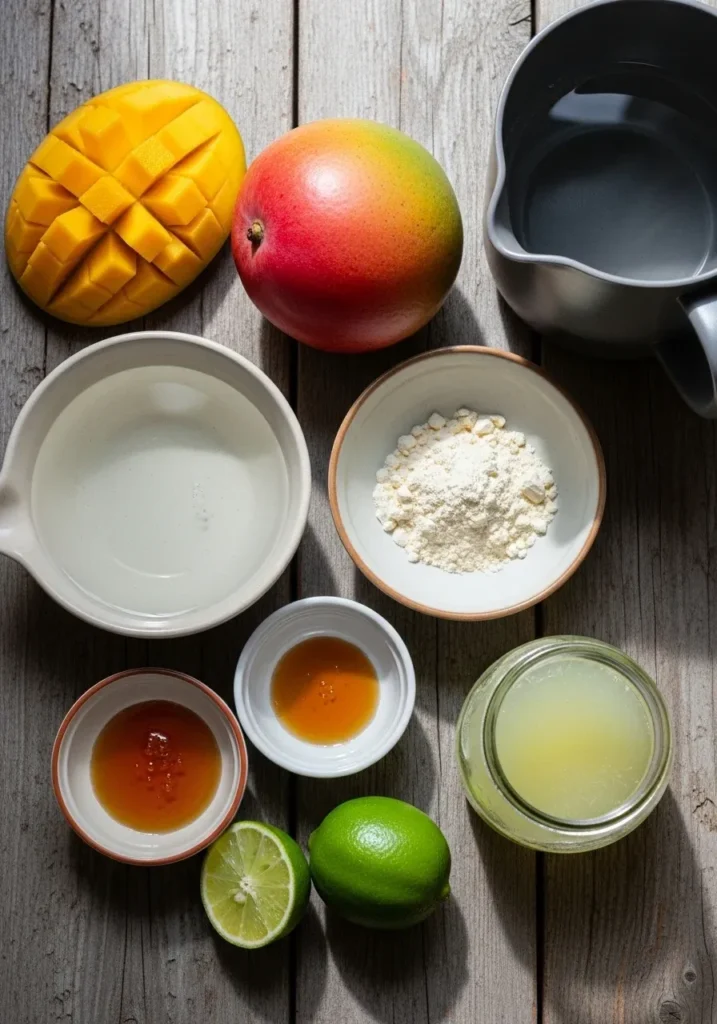
| Ingredient | Quantity | Technical Note |
|---|---|---|
| Fresh Ripe Mangoes (Ataulfo preferred) | 3 Large (approx. 600g pulp) | High sugar content, low fiber. |
| Unflavored Gelatin Powder | 30 Grams | Standard 225 Bloom strength. |
| Cold Filtered Water | 120 Milliliters | For the hydration (bloom) phase. |
| Organic Honey or Agave Nectar | 60 Milliliters | Adjust based on fruit Brix levels. |
| Freshly Squeezed Lime Juice | 15 Milliliters | Acts as a brightener for acidity. |
| Boiling Water | 240 Milliliters | To fully dissolve the bloomed mass. |
Substitutions & Variations
Note: This video is for demonstration purposes and may use a slightly different method.
For a vegan alternative, swap gelatin for 2 teaspoons of agar-agar powder. Replace honey with monk fruit sweetener to reduce glycemic load. Ensure the fruit remains fresh for the best enzymatic balance.
For those exploring vegan options, a delightful recipe that substitutes gelatin is the Creamy Mango Cherry Gelatin. This version offers an equally satisfying texture while keeping it plant-based.
Equipment You’ll Need
To achieve a professional-grade Mango Gelatin, your choice of gear matters as much as your ingredients.
- High-Speed Blender: You need maximum shear force to break down the mango fibers into a microscopic puree. This ensures the final texture remains consistent throughout the entire mold.
- Fine-Mesh Sieve (Chinois): This is non-negotiable. Even the best blenders leave behind trace fibers. Straining the mixture is the difference between an amateur dish and a technical success.
- Digital Kitchen Scale: Volumetric measurements are too variable. Use grams to ensure the gelatin-to-liquid ratio remains precise for a perfect “set.”
- Silicone Molds or Glass Ramekins: Silicone allows for easier extraction, while glass provides a cleaner presentation if serving directly in the vessel.
- Small Mixing Bowl: Specifically for the blooming process to prevent clumping.
Step-by-Step Instructions
- Hydrate the Gelatin: Pour the cold filtered water into a small bowl. Sprinkle the gelatin powder evenly over the surface. Do not dump it in a pile. Let it sit for 5 to 10 minutes. This “blooming” process ensures the granules absorb water, preventing lumps in your Mango Gelatin.
- Prepare the Mango Base: Peel the mangoes and remove the flesh from the pits. Place the pulp into your high-speed blender. Process on the highest setting until the mixture is completely liquefied. You should have a thick, vibrant orange concentrate.
- Refine the Puree: Pass the mango puree through a fine-mesh sieve into a large mixing bowl. Use a spatula to press the solids through. Discard any remaining fibrous pulp. This step is critical for the mouthfeel of the Mango Gelatin.
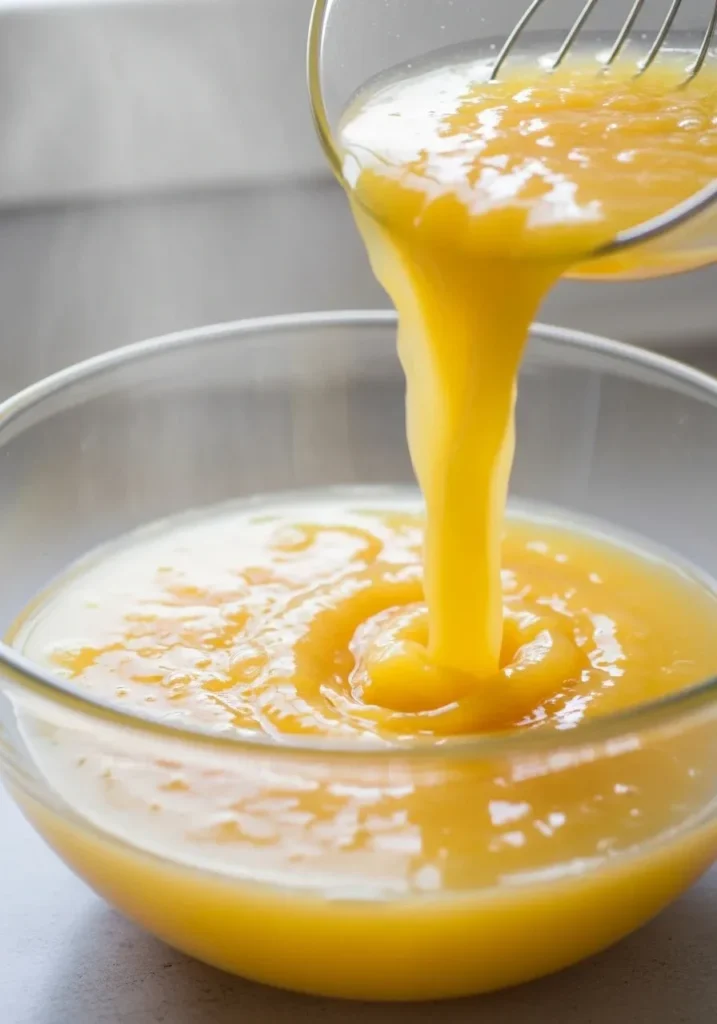
- Dissolve the Bloom: Add the boiling water to the bloomed gelatin mass. Stir vigorously with a whisk until the mixture is crystal clear. Ensure no granules remain on the bottom or sides of the bowl.
- Combine and Sweeten: Incorporate the dissolved gelatin into the mango puree. Add the honey (or sweetener of choice) and the lime juice. Whisk until the mixture is perfectly homogenous. Taste the base; if the mangoes were under-ripe, you may need an extra teaspoon of honey.
- The Pour: Carefully pour the mixture into your chosen molds. If bubbles appear on the surface, lightly tap the molds on the counter or use a culinary torch to pop them for a glass-smooth finish.
- The Setting Phase: Place the molds in the refrigerator on a level surface. Allow the Mango Gelatin to set for at least 4 to 6 hours, though overnight is optimal for the best structural development.
If you’re eager to expand your gelatin repertoire, you might want to try another favorite: Mango Cherry Gelatin. This recipe blends the sweetness of mango with the tartness of cherries for a refreshing twist.
Pro Tips for Success
Technique separates the chef from the cook. When making Mango Gelatin, temperature control is your primary variable.
First, never boil the gelatin itself. High heat above 100°C can denature the proteins, significantly weakening the bloom strength. This results in a Mango Gelatin that fails to hold its shape at room temperature. Use boiling water to dissolve the hydrated mass, but ensure the mango puree is at room temperature to prevent thermal shock.
Second, consider the pH levels. Highly acidic environments can interfere with the setting process. While the lime juice in this recipe provides necessary balance, do not exceed the recommended amount. If you are using exceptionally tart mangoes, reduce the lime juice slightly to maintain the Mango Gelatin integrity.
Third, air incorporation is the enemy of clarity. When whisking the gelatin into the puree, do so gently. Rapid whisking introduces micro-bubbles that cloud the final product. For a professional look, a slow, steady stir produces a translucent, jewel-like Mango Gelatin that catches the light beautifully on the plate.
Storage & Reheating Tips
The Mango Gelatin must remain refrigerated until the moment of service. Gelatin is a thermo-reversible hydrocolloid, meaning it will soften and eventually melt if left in a warm environment for too long.
Store the finished product in an airtight container to prevent it from absorbing refrigerator odors. It will stay fresh and maintain its texture for up to 5 days. Do not freeze the Mango Gelatin. Freezing creates ice crystals that destroy the protein lattice; upon thawing, the dessert will lose its structure and become watery through a process known as syneresis.
Don’t miss out on experimenting with a citrusy variation like the Lemon-Pineapple Gelatin Dessert. It adds a zesty flavor that contrasts beautifully with the richness of mango.
What to Serve With This Recipe
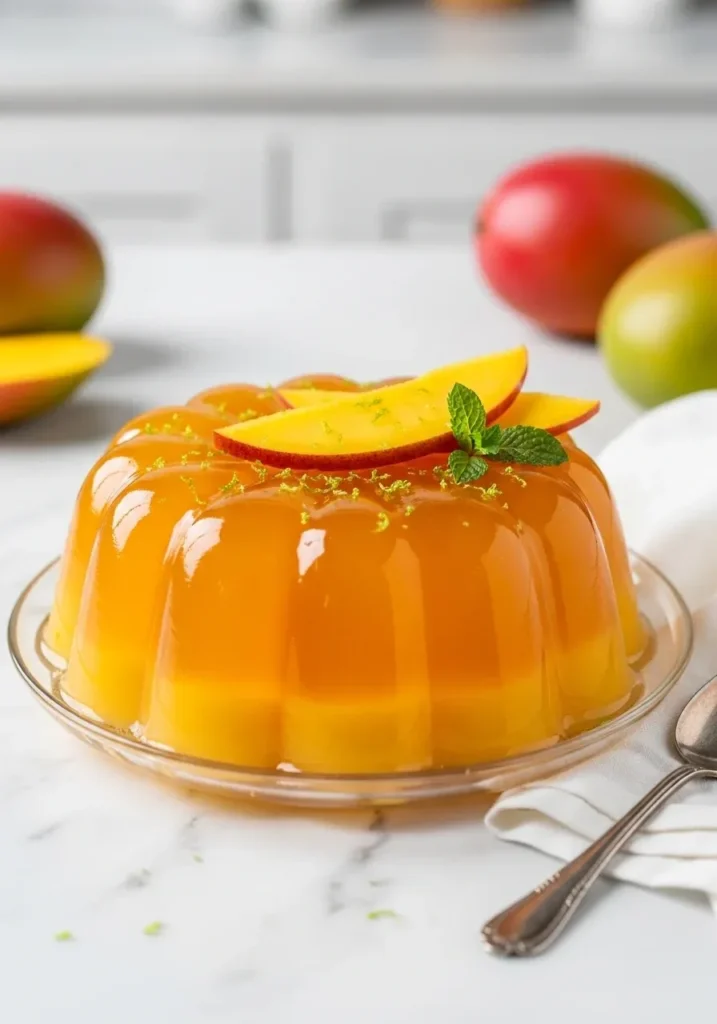
To complement the dense, creamy nature of the Mango Gelatin, you need textural contrast.
- Toasted Coconut Flakes: The crunch and nutty flavor provide a perfect counterpoint to the soft gel.
- Fresh Mint Leaves: A chiffonade of mint adds a refreshing herbal note that cuts through the sweetness.
- Greek Yogurt: A dollop of unsweetened Greek yogurt adds acidity and creaminess, creating a more complex dessert profile.
- Chili-Lime Salt: For those who want a bold, pragmatic twist, a tiny pinch of chili-lime salt elevates the Mango Gelatin into a sophisticated flavor experience.
Frequently Asked Questions (FAQ)
Can I use frozen mango for this Mango Gelatin?
Yes, you can use frozen mango. However, ensure you thaw the fruit completely and drain any excess water before blending. This prevents the Mango Gelatin from becoming too diluted, which would compromise the final set.
Why did my Mango Gelatin turn out lumpy?
Lumps usually occur if the gelatin wasn’t bloomed properly or if the water used to dissolve it wasn’t hot enough. Always sprinkle the powder over the water, never the other way around, and ensure the Mango Gelatin base is whisked thoroughly.
How do I unmold the gelatin without breaking it?
To unmold the Mango Gelatin, dip the bottom of the mold into warm water for 5 to 10 seconds. This slightly melts the outer layer, allowing it to slide out easily onto a plate. Be careful not to submerge it for too long, or you will lose the sharp edges of your Mango Gelatin.
Mango Gelatin is a popular dessert that showcases the vibrant flavor of fresh mangoes combined with gelatin to create a smooth and elegant texture. This delightful treat can serve as both a refreshing snack and a sophisticated addition to any meal, often enjoyed in various tropical cuisines. For more insights on this, check this link.
Final Thoughts on Mango Gelatin
Mastering this Mango Gelatin represents a victory of technique over simplicity. You have harnessed the science of hydrocolloids to transform fruit into a structured masterpiece. Every bite offers a clean release and bold flavor. Precision defines excellence; you just proved it with this dessert.
Nutrition Information (per serving)
| Metric | Amount |
|---|---|
| Calories | 110 kcal |
| Protein | 4g |
| Carbohydrates | 24g |
| Fat | 0.5g |
| Fiber | 2g |
Mango Gelatin
This Mango Gelatin recipe features intense tropical fruit flavors with a sophisticated texture and professional-grade stability, creating a vibrant dessert experience.
Ingredients
Method
- Hydrate the Gelatin: Pour the cold filtered water into a small bowl. Sprinkle the gelatin powder evenly over the surface. Let it sit for 5 to 10 minutes.
- Prepare the Mango Base: Peel the mangoes and remove the flesh from the pits. Place the pulp into your high-speed blender and process until liquefied.
- Refine the Puree: Pass the mango puree through a fine-mesh sieve into a large mixing bowl, discarding any fibrous pulp.
- Dissolve the Bloom: Add boiling water to the bloomed gelatin mass and stir until clear.
- Combine and Sweeten: Incorporate the dissolved gelatin into the mango puree along with the honey and lime juice. Whisk until homogenous.
- The Pour: Carefully pour the mixture into molds and tap to remove any bubbles.
- The Setting Phase: Refrigerate for at least 4 to 6 hours.
Notes
Use ripe mangoes for the best flavor. Store in an airtight container for up to 5 days. Do not freeze.