The Best Fluffy Pancakes recipe you will fall in love with. Full of tips and tricks to help you make the best pancakes.

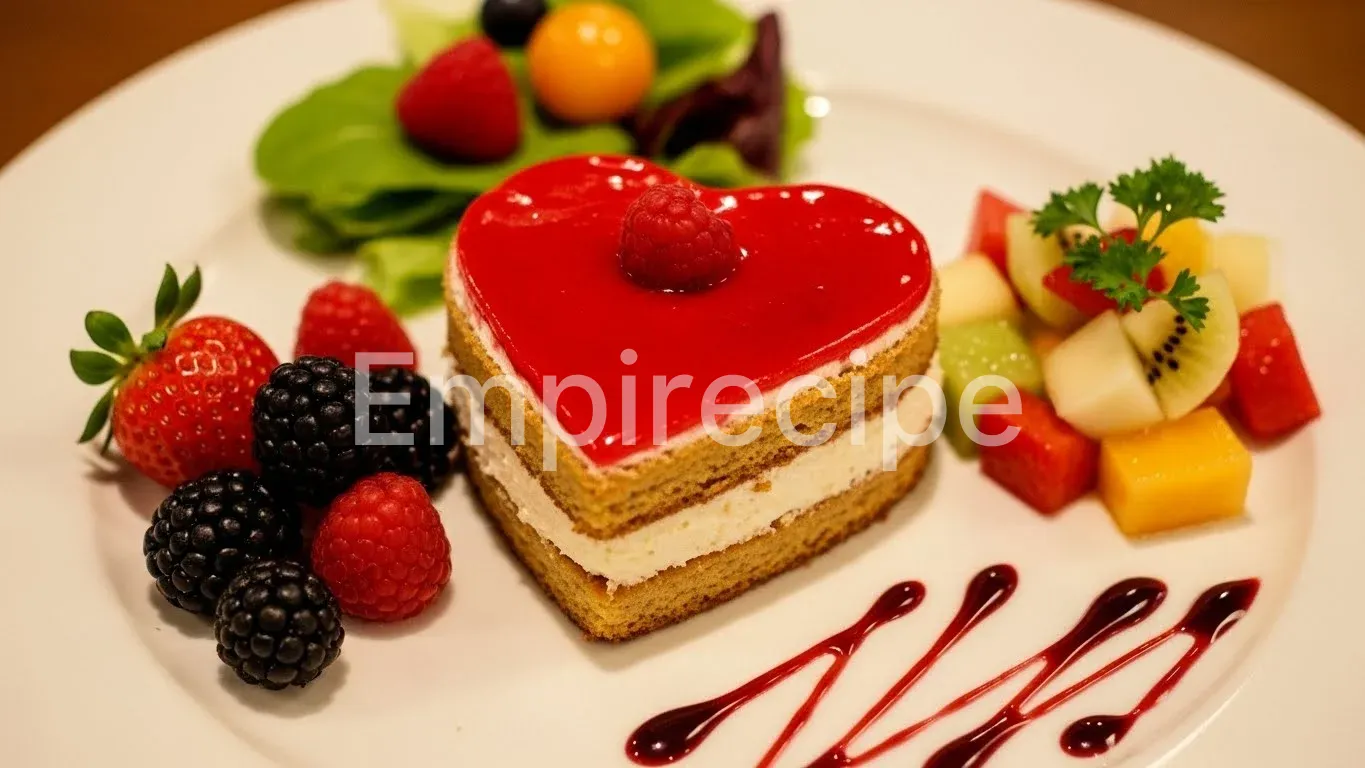
Crafting a truly memorable dessert requires precision, modern techniques, and a touch of audacity. This guide unlocks the secrets to a flawless, tender, and intensely flavorful creation. Master the art of the Heart Shaped Cake, delivering a moist crumb and rich taste that delights every palate.
We will explore every technical aspect, from ingredient selection to advanced decorating, ensuring your celebratory centerpiece is nothing short of perfection. Prepare to elevate your baking prowess with this comprehensive breakdown.
Table of Contents
Why You’ll Love This Heart Shaped Cake
- Achieve a consistently moist and tender crumb with minimal effort.
- Perfect for any celebration, providing a visually stunning and delicious centerpiece.
- Adaptable recipe allowing for innovative flavor pairings and healthy ingredient swaps.
- Utilize modern baking techniques to guarantee professional results every time.
Ingredients You’ll Need
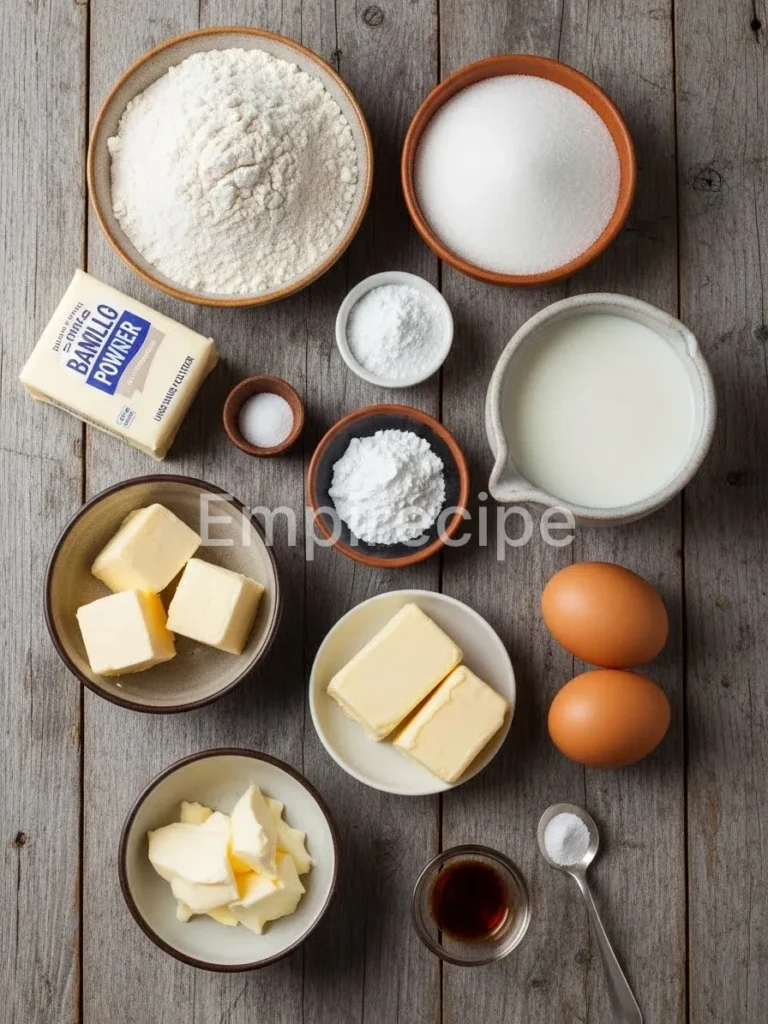
Success in baking hinges on the quality of your ingredients. Opt for the best available to truly make your heart shaped cake exceptional. Freshness and proper storage are paramount.
- For the Cake Batter:
- 2 ½ cups (300g) all-purpose flour, sifted
- 1 ½ cups (300g) granulated sugar
- 1 tablespoon baking powder
- ½ teaspoon salt
- ½ cup (113g) unsalted butter, softened to room temperature
- 1 cup (240ml) whole milk, room temperature
- 2 large eggs, room temperature
- 2 teaspoons pure vanilla extract
- Optional: 1 teaspoon almond extract for nuanced flavor
- For the Classic Vanilla Buttercream:
- 1 cup (226g) unsalted butter, softened
- 3-4 cups (360-480g) powdered sugar, sifted
- ¼ cup (60ml) heavy cream or whole milk
- 2 teaspoons pure vanilla extract
- Pinch of salt
- Optional: Food coloring for decoration
Substitutions & Variations
Note: This video is for demonstration purposes and may use a slightly different method.
Modern baking often involves intelligent adaptations. For a lighter approach to your heart shaped cake, consider these healthy substitutions. Swap half the butter with unsweetened applesauce for reduced fat, or use a plant-based milk and vegan butter alternative for a dairy-free version.
Whole wheat pastry flour can replace half the all-purpose flour for added fiber without compromising tenderness significantly. Innovate with citrus zests in the batter or natural purees like beetroot for a vibrant, naturally colored cake.
For those looking to make healthier choices while baking, consider the integrations mentioned in our heart-shaped cake guide. You may find inspiration in this delicious Spinach Soup that offers a nutritious twist to your meal.
Equipment You’ll Need
The right tools are indispensable for precision and efficiency in modern baking. Mastering the Heart Shaped Cake demands proper equipment.
- 9-inch heart-shaped cake pan (or two 8-inch round pans if carving later)
- Electric mixer (stand mixer or hand mixer) for consistent aeration
- Large mixing bowls
- Rubber spatula for folding and scraping
- Whisk
- Measuring cups and spoons (accurate measurements are critical)
- Parchment paper for non-stick baking
- Wire cooling rack
- Offset spatula or palette knife for frosting application
- Piping bags and decorative tips (e.g., star tip, round tip) for detailed decoration
- Bench scraper or straight edge for smooth sides (optional)
- Oven thermometer to ensure accurate temperature calibration
Step-by-Step Instructions
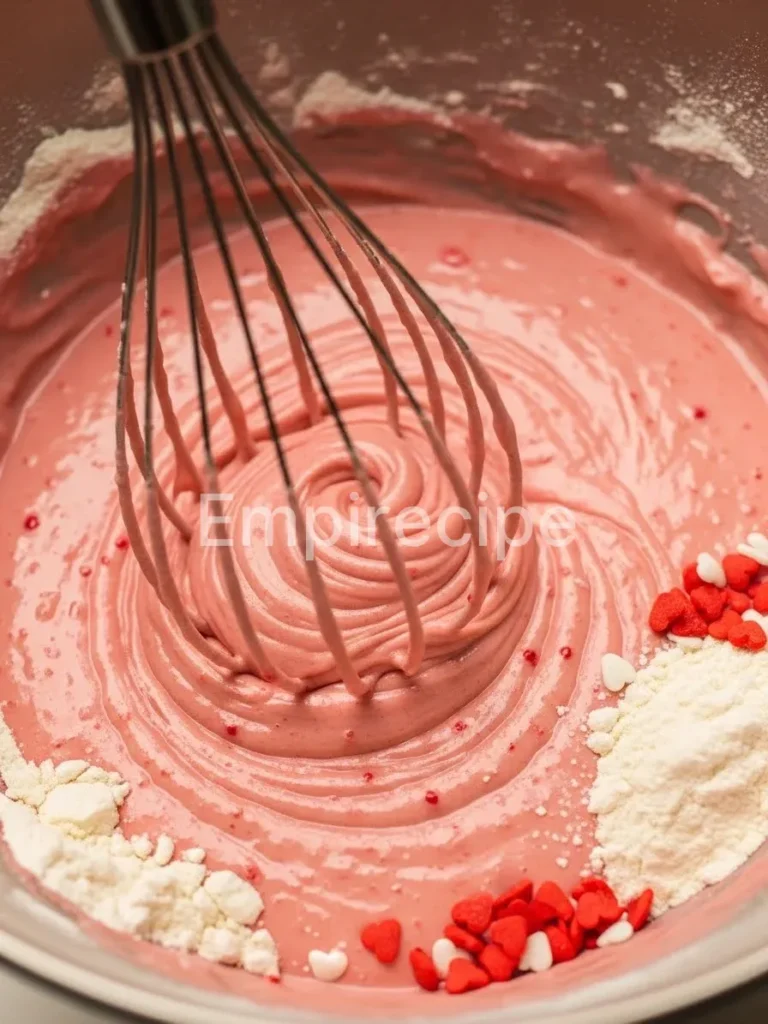
Achieving a technically perfect heart shaped cake involves precise execution of each step. Follow these instructions meticulously.
- Preparation: Preheat your oven to 350°F (175°C). Grease and flour your heart-shaped cake pan thoroughly, or line with parchment paper. This prevents sticking, a critical first step.
- Combine Dry Ingredients: In a large bowl, whisk together the sifted flour, granulated sugar, baking powder, and salt. Ensure an even distribution for consistent leavening.
- Cream Butter and Sugar: In the bowl of your electric mixer, cream the softened unsalted butter with the granulated sugar on medium speed until light and fluffy. This aeration process is fundamental for a tender crumb.
- Add Eggs and Vanilla: Beat in the eggs one at a time, ensuring each is fully incorporated before adding the next. Scrape down the sides of the bowl. Mix in the vanilla and almond extracts.
- Alternate Dry and Wet: With the mixer on low speed, gradually add the dry ingredients in three additions, alternating with the milk in two additions. Begin and end with the dry ingredients. Mix just until combined; overmixing develops gluten and can lead to a tough cake.
- Pour and Bake: Pour the batter evenly into your prepared heart-shaped cake pan. Gently tap the pan on the counter a few times to release any large air bubbles.
- Bake: Bake for 30-35 minutes, or until a wooden skewer inserted into the center comes out clean. An oven thermometer ensures precise temperature, crucial for even baking.
- Cool: Let the cake cool in the pan on a wire rack for 10-15 minutes. Then, carefully invert it onto the rack to cool completely. Cooling thoroughly prevents frosting from melting.
- Prepare Buttercream: While the cake cools, prepare the buttercream. Cream softened butter until light and fluffy. Gradually add sifted powdered sugar, alternating with heavy cream/milk and vanilla extract. Beat until smooth and desired consistency is reached. Add a pinch of salt to balance sweetness.
- Frost and Decorate: Once the cake is completely cool, use an offset spatula to apply a thin crumb coat. Chill for 15 minutes. Then, apply the final layer of frosting, smoothing it with your spatula or bench scraper. Use piping bags and tips for decorative borders or messages, truly making your Heart Shaped Cake visually stunning.
Perfecting a heart-shaped cake requires attention to detail, and you’ll want to ensure every technique is meticulously followed. While you’re at it, check out this comforting Corned Beef Soup that balances effort with delightful results!
Pro Tips for Success
Adam’s audacious approach to baking demands attention to technical detail. Elevate your heart shaped cake with these expert insights.
- Temperature Control is King: Ensure all cold ingredients (butter, eggs, milk) are at room temperature. This promotes proper emulsion and a smooth, even batter. Use an oven thermometer to verify your oven’s true temperature; discrepancies can significantly impact baking time and texture.
- Sifting is Non-Negotiable: Sift your flour and powdered sugar. This removes lumps, aerates the ingredients, and ensures a lighter, more uniform texture in your cake and buttercream.
- Do Not Overmix: Once you add the dry ingredients to the wet, mix only until just combined. Overmixing develops gluten, leading to a dense, tough cake. A light hand is crucial.
- Achieve the Perfect Crumb Coat: A thin layer of frosting, called a crumb coat, seals in loose crumbs before the final frosting layer. This technique is fundamental for a smooth, professional finish. Chill the cake for 15-20 minutes after the crumb coat to set it.
- Sharpen Your Edges: For a truly polished look on your heart shaped cake, use a bench scraper or a long, straight spatula to smooth the sides of your frosted cake. Warm your offset spatula slightly for an extra smooth finish.
- Test for Doneness Accurately: Insert a wooden skewer into the thickest part of the cake. It should come out clean, not just moist. This prevents over- or under-baking.
Storage & Reheating Tips
Proper storage is essential to maintain the freshness and structural integrity of your heart shaped cake.
- Room Temperature: If frosted with buttercream, store the cake in an airtight container at room temperature for up to 2-3 days. The high sugar content in buttercream acts as a preservative.
- Refrigeration: For longer storage, or if your cake contains perishable fillings (like fresh fruit), refrigerate it in an airtight container for up to 5-7 days. Allow it to come to room temperature for 30-60 minutes before serving for optimal flavor and texture.
- Freezing: For extended freshness, individual slices or a whole unfrosted cake can be wrapped tightly in plastic wrap, then foil, and frozen for up to 2-3 months. Thaw in the refrigerator overnight, then bring to room temperature before frosting or serving.
Proper storage plays a crucial role in maintaining the quality of your baked creation. To keep your culinary masterpiece fresh, consider pairing it with a bowl of hearty Cheeseburger Soup for a complete dining experience.
What to Serve With This Recipe
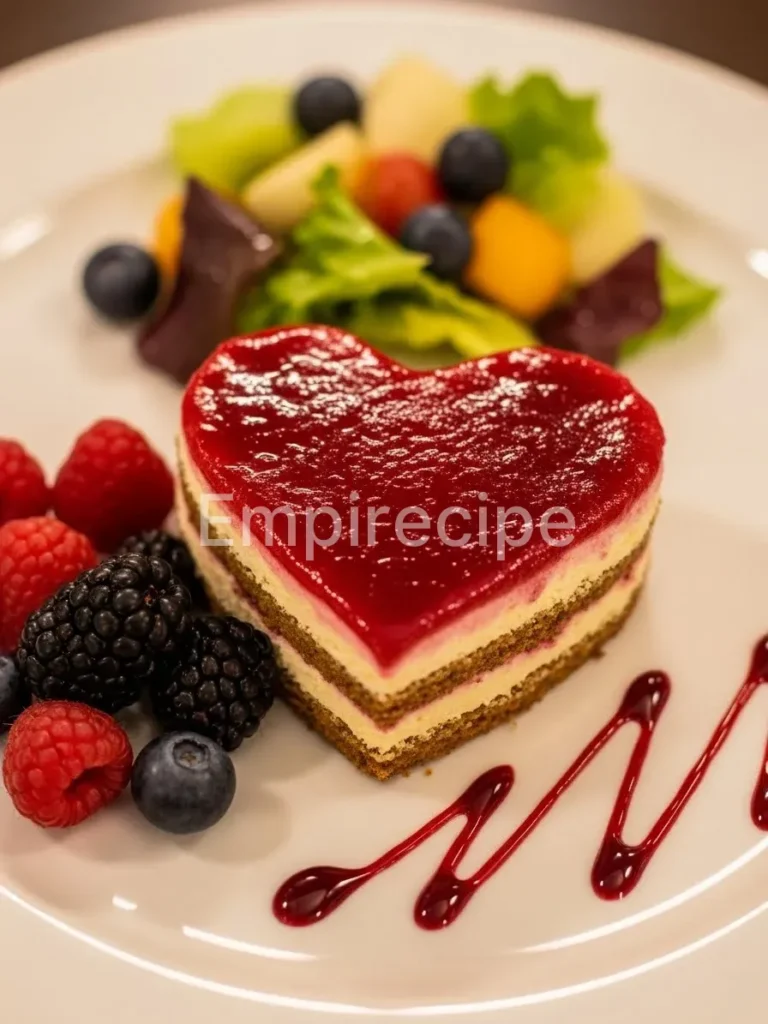
While a heart shaped cake is a celebration in itself, pairing it with complementary, often lighter, elements enhances the experience without overpowering it. Consider these healthy suggestions.
- Fresh Berry Medley: A simple bowl of mixed fresh berries (strawberries, raspberries, blueberries) provides a vibrant, tart counterpoint to the sweet cake.
- Light Fruit Salad: A colorful fruit salad, perhaps with a hint of mint or a light citrus dressing, offers freshness and textural variety.
- Herbal Teas or Coffee: A freshly brewed herbal tea or a well-crafted coffee complements the cake without adding extra sweetness.
- A Delicate Sorbet: A small scoop of a fruit sorbet, such as raspberry or lemon, can provide a palate-cleansing element.
Frequently Asked Questions (FAQ)
Can I make this heart shaped cake gluten-free?
Yes, you can absolutely adapt this recipe to be gluten-free. Substitute the all-purpose flour with a high-quality 1:1 gluten-free baking flour blend that contains xanthan gum. Ensure all other ingredients are certified gluten-free. The baking time might vary slightly, so monitor for doneness with a skewer.
What are the best ways to get a clean heart shape if I don’t have a specific pan?
If you lack a heart-shaped pan for your heart shaped cake, bake one 8-inch square cake and one 8-inch round cake. Cut the round cake in half. Position the square cake as the base, then place the two half-rounds against two adjacent sides of the square.
Frost to create a seamless heart shape. This technical approach yields excellent results for your Heart Shaped Cake.
How can I prevent my cake from sticking to the pan?
Preventing adhesion is crucial. Always grease your pan thoroughly with butter or non-stick spray, then dust with a thin layer of flour (or cocoa powder for chocolate cakes). For an even better release, cut a piece of parchment paper to fit the bottom of the pan after greasing. This dual method ensures your heart shaped cake releases perfectly every time, preventing structural damage.
Creating heart-shaped cakes has become a popular way to celebrate special occasions, showcasing creativity and love in the culinary arts. Explore the delightful world of baking and cake decoration to find inspiration for your next special event through this informative resource.
Final Thoughts
This Heart Shaped Cake is more than just a recipe; it’s an invitation to connect, to express care through precision and passion. Mastering these techniques ensures your creation transcends mere dessert, becoming a heartfelt gesture. Celebrate life’s moments with this truly special, technically perfect confection.
Nutrition Information (per serving)
(Approximate values, based on 12 servings of cake with standard buttercream)
| Nutrient | Amount |
|---|---|
| Calories | 450-550 |
| Total Fat | 20-25g |
| Saturated Fat | 12-15g |
| Cholesterol | 70-90mg |
| Sodium | 250-300mg |
| Total Carbohydrates | 60-70g |
| Dietary Fiber | 1-2g |
| Total Sugars | 45-55g |
| Protein | 4-6g |
Heart Shaped Cake: A Complete Guide to Baking, Decorating, and Celebrating
A moist, tender heart shaped cake perfect for celebrations, featuring a rich vanilla flavor and classic buttercream frosting.
Ingredients
Method
- Preheat oven to 350°F (175°C) and prepare the cake pan.
- Whisk together flour, sugar, baking powder, and salt in a large bowl.
- Cream the butter and sugar until light and fluffy in an electric mixer.
- Add eggs one at a time, mixing in vanilla and almond extracts.
- Alternate adding dry ingredients with milk until just combined.
- Pour batter into the prepared pan and gently tap to release air bubbles.
- Bake for 30-35 minutes or until a skewer inserted comes out clean.
- Cool in the pan for 10-15 minutes, then invert onto a cooling rack.
- Prepare the buttercream by creaming butter and gradually adding powdered sugar, milk, and vanilla until smooth.
- Once cool, frost the cake with a crumb coat, chill, then apply the final frosting layer.
Notes
Ensure all ingredients are at room temperature. Sifting flour is essential for a light texture.