The Best Fluffy Pancakes recipe you will fall in love with. Full of tips and tricks to help you make the best pancakes.

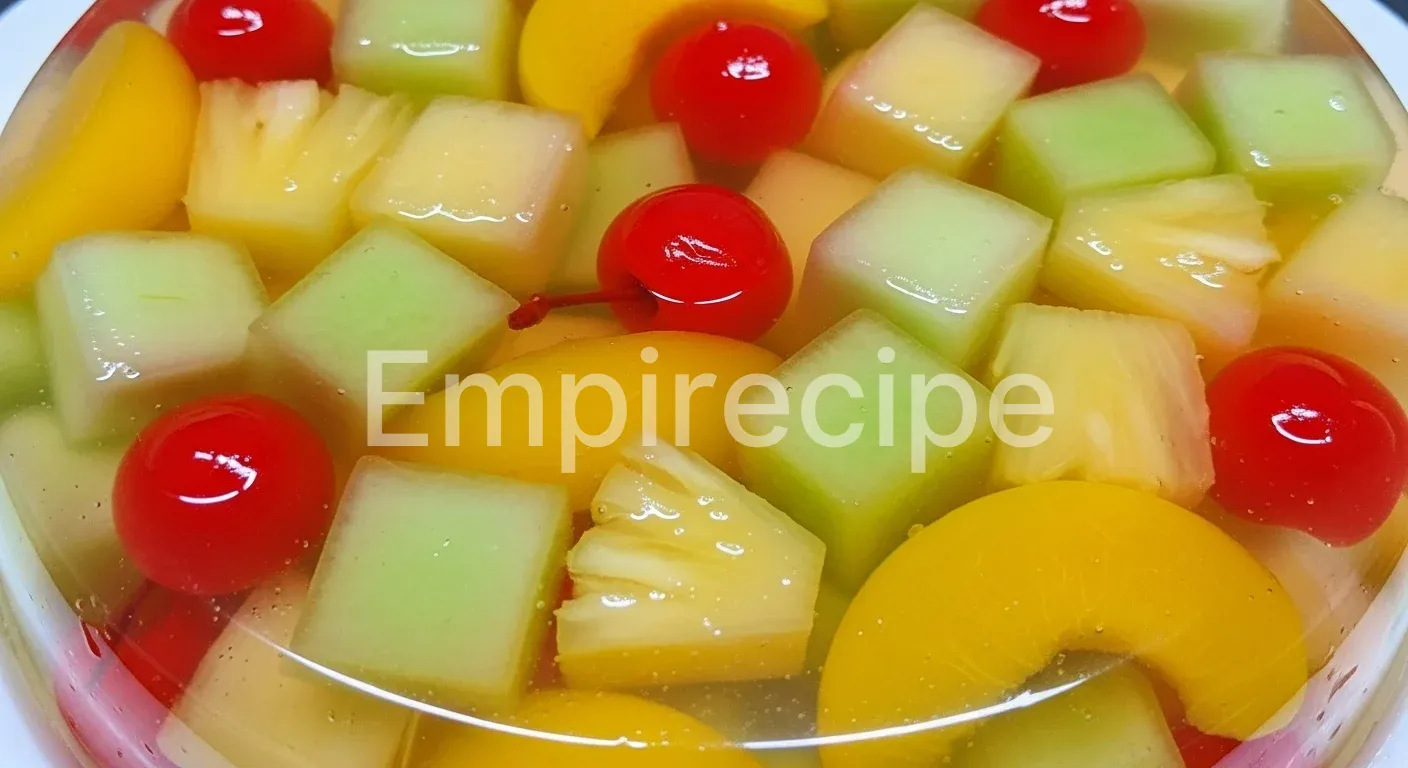
Modern dessert making demands precision and aesthetic flair. This Fruit Cocktail Jelly delivers both a refreshing burst of flavor and a crystal-clear visual appeal. You will master the art of suspending vibrant fruit pieces within a perfectly stabilized matrix.
Achieving the right wobble requires understanding the technical relationship between liquid and gelling agents. This recipe simplifies that process without sacrificing professional quality. Prepare to elevate your dessert repertoire with this sophisticated Fruit Cocktail Jelly.
Table of Contents
Why You’ll Love This Recipe
- Visual Sophistication: The transparent medium showcases the colors of the fruit with clinical precision.
- Structural Integrity: This recipe uses specific ratios to ensure the Fruit Cocktail Jelly holds its shape perfectly when sliced.
- Nutrient Retention: By using gentle heat, we preserve the vitamin content of the fruit components.
Ingredients You’ll Need
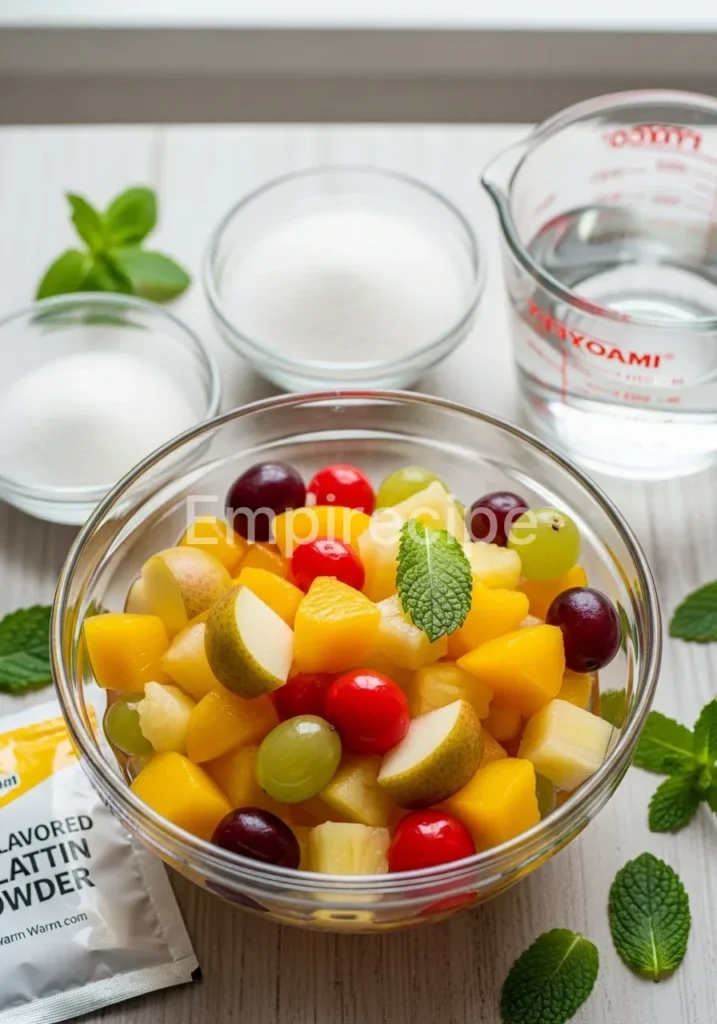
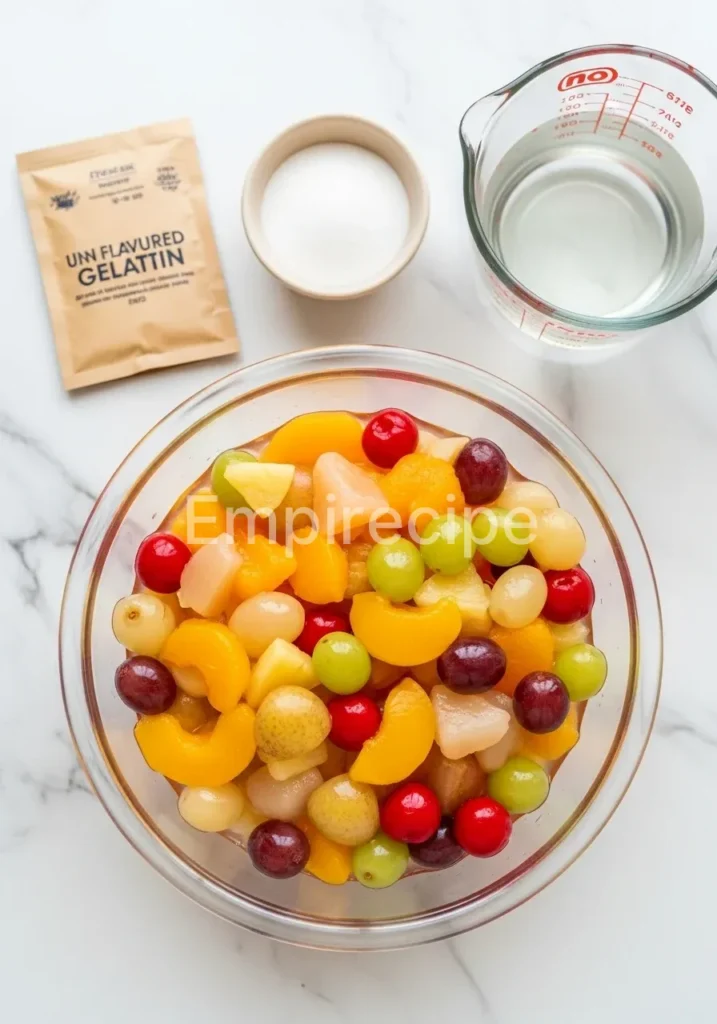
Success in molecular gastronomy depends entirely on the quality of your raw materials. For a superior Fruit Cocktail Jelly, source premium canned fruit in natural juice rather than heavy syrup. The syrup adds unnecessary sugars and can cloud the clarity of your final product. Pay close attention to the bloom strength of your gelatin, as this determines the “snap” of the jelly.
- 800g High-quality fruit cocktail (drained, reserve the juice).
- 500ml Filtered water (for maximum clarity).
- 30g Unflavored gelatin powder (200 Bloom strength recommended).
- 100g Organic cane sugar or low-glycemic alternative.
- 15ml Freshly squeezed lemon juice (to balance pH and enhance brightness).
- 1 Vanilla pod (optional, for a sophisticated aromatic profile).
Substitutions & Variations
Note: This video is for demonstration purposes and may use a slightly different method.
If you prefer a plant-based alternative, replace the gelatin with 8g of Agar-Agar powder. This change alters the texture of your Fruit Cocktail Jelly, making it firmer and less “bouncy.” You can also substitute the cane sugar with monk fruit sweetener for a keto-friendly version.
For a deeper flavor profile, swap 100ml of water for a crisp white grape juice or a light herbal tea infusion like chamomile. These modifications allow the Fruit Cocktail Jelly to adapt to various dietary requirements without compromising structural stability.
If you’re looking to add a twist to your Fruit Cocktail Jelly, consider trying a plant-based alternative like agar-agar. For a deliciously fresh experience, you might enjoy making a Strawberry Fruit Salad to complement your jelly.
Equipment You’ll Need
As a pragmatic cook, I insist on using tools that provide consistent results. Do not rely on “cup” measurements; use a digital scale for everything. You will need a heavy-bottomed saucepan to distribute heat evenly and prevent the sugar from scorching.
A fine-mesh sieve is essential for removing any undissolved gelatin granules. For the mold, I recommend a high-grade silicone bundt pan or individual glass ramekins. Finally, an instant-read thermometer helps you monitor the temperature, ensuring you never boil the gelatin, which would destroy its setting properties. This technical approach guarantees a flawless Fruit Cocktail Jelly every time.
Step-by-Step Instructions
- Bloom the Gelatin: Measure 100ml of cold filtered water into a small bowl. Sprinkle the gelatin powder evenly over the surface. Let it sit for 10 minutes to “bloom.” This step allows the proteins to hydrate, ensuring a smooth texture in your Fruit Cocktail Jelly.
- Prepare the Fruit: Drain the fruit cocktail thoroughly. Pat the fruit pieces dry with a paper towel. Removing excess moisture prevents the fruit from diluting the jelly matrix and helps them stay suspended.
- Heat the Base: In your saucepan, combine the remaining water, reserved fruit juice, and sugar. Heat over medium-low until the sugar dissolves completely. Aim for a temperature of 60°C (140°F). Add the scraped vanilla seeds if using.
- Integrate the Gelatin: Remove the saucepan from the heat. Add the bloomed gelatin to the warm liquid. Stir gently with a whisk until no granules remain. Avoid vigorous whisking to prevent air bubbles from forming in the Fruit Cocktail Jelly.
- Clarify the Mixture: Pour the liquid through a fine-mesh sieve into a clean jug. Add the lemon juice. Let the mixture cool at room temperature until it reaches approximately 30°C (86°F). This prevents the heat from cooking the fruit pieces.
- Layer the Fruit: Place a thin layer of the liquid into your mold and refrigerate for 15 minutes until “tacky.” Arrange a portion of the fruit on top. Add more liquid to cover the fruit and repeat the process. Layering ensures the fruit is evenly distributed throughout the Fruit Cocktail Jelly.
- Final Set: Once all layers are complete, cover the mold with plastic wrap. Refrigerate for at least 6 hours, though 12 hours is optimal for the protein bonds to fully stabilize.
Properly preparing the gelatin is crucial for achieving the desired texture in your Fruit Cocktail Jelly. While you’re mastering the art of this recipe, check out our delightful Valentine’s Fruit Tray for an impressive presentation.
Pro Tips for Success
To achieve the clearest Fruit Cocktail Jelly, always use filtered water. Tap water contains minerals that can create a cloudy appearance. When stirring the gelatin, use a slow, circular motion.
If air bubbles do appear on the surface, quickly pass a kitchen torch over them to pop them instantly. Another technical trick involves the fruit density. If you find your fruit is floating too much, chill the jelly base until it reaches the consistency of raw egg whites before folding in the fruit.
This viscosity holds the pieces in place immediately. For a professional finish, dip the bottom of the set mold in warm water for exactly five seconds before inverting it onto a chilled serving plate. These small adjustments separate a standard dessert from a master-level Fruit Cocktail Jelly.
Storage & Reheating Tips
Gelatin-based desserts are sensitive to temperature and humidity. Store your Fruit Cocktail Jelly in an airtight container in the refrigerator. It will remain fresh and structurally sound for up to 5 days.
Do not freeze this dish; the freezing process breaks the delicate protein lattice, resulting in a grainy, watery mess upon thawing. If the jelly begins to “weep” (a process known as syneresis), simply drain the excess liquid before serving. Never reheat the Fruit Cocktail Jelly unless you intend to melt it back into a liquid state for re-molding. Proper storage maintains the precise “wobble” that defines this technical dessert.
Maintaining the freshness of your Fruit Cocktail Jelly is key, so store it properly to prevent weeping. If you’re intrigued by uniquely textured desserts, explore our recipe for Tootsie Donut Fruitcake Gummies for a fun variation.
What to Serve With This Recipe
While this Fruit Cocktail Jelly is a powerhouse on its own, thoughtful pairings can enhance the experience. Contrast the smooth, cool texture of the jelly with a dollop of unsweetened Greek yogurt or a light lime-infused crème fraîche. For a textural counterpoint, serve it alongside a crisp almond tuile or a simple cucumber and mint salad.
If you are serving this as part of a modern brunch, it pairs exceptionally well with a side of roasted walnuts or a light quinoa porridge. The goal is to balance the sweetness of the Fruit Cocktail Jelly with elements that offer acidity or crunch.
Frequently Asked Questions (FAQ)
Can I use fresh pineapple or kiwi in this jelly?
No, you should avoid fresh pineapple, kiwi, papaya, and figs. These fruits contain enzymes called proteases (like bromelain) that break down the protein chains in gelatin. This prevents the Fruit Cocktail Jelly from setting. However, canned versions of these fruits are safe to use because the heat from the canning process deactivates these enzymes.
Why did my jelly turn out rubbery?
A rubbery texture usually indicates an incorrect ratio of gelatin to liquid. If you used a higher bloom strength gelatin or measured by volume instead of weight, you might have added too much. To fix this in future batches of Fruit Cocktail Jelly, reduce the gelatin by 10% or ensure you are using exactly 500ml of liquid for every 30g of standard gelatin powder.
How do I get the jelly out of a metal mold easily?
Metal conducts heat very quickly. To unmold your Fruit Cocktail Jelly, submerge the mold in hot water for only 3 to 4 seconds. Gently pull the edges of the jelly away from the sides with a damp finger to break the vacuum seal. Place your serving plate on top, flip it over, and the Fruit Cocktail Jelly should slide out with a pristine, glossy surface.
Fruit Cocktail Jelly is a delightful dessert that showcases pieces of fruit suspended in a gel made from gelatin, offering a refreshing treat enjoyed in various cultures. This versatile dish can be modified with different fruits and flavors for unique variations, much like how culinary techniques evolve over time in dessert-making.
Final Thoughts
This technical approach to Fruit Cocktail Jelly transforms a nostalgic classic into a modern culinary triumph. By focusing on temperature control and ingredient quality, you achieve a dessert that is as visually stunning as it is refreshing. It is the ultimate proof that precision leads to perfection.
Nutrition Information (per serving)
| Nutrient | Amount |
|---|---|
| Calories | 145 kcal |
| Protein | 6g |
| Total Carbohydrates | 28g |
| Dietary Fiber | 2g |
| Sugars | 24g |
| Fat | 0.2g |
| Vitamin C | 15% DV |
This Fruit Cocktail Jelly remains a light, low-fat option for those seeking a disciplined yet satisfying end to a meal.
Fruit Cocktail Jelly
This Fruit Cocktail Jelly delivers both a refreshing burst of flavor and a crystal-clear visual appeal. You will master the art of suspending vibrant fruit pieces within a perfectly stabilized matrix, achieving the right wobble with a technical approach that simplifies the process without sacrificing professional quality.
Ingredients
Method
- Bloom the gelatin by sprinkling it over 100ml of cold filtered water and letting it sit for 10 minutes.
- Drain the fruit cocktail thoroughly and pat the pieces dry.
- Combine remaining water, reserved juice, and sugar in a saucepan and heat until sugar dissolves at 60°C (140°F).
- Remove from heat and stir in the bloomed gelatin until fully dissolved.
- Pour the mixture through a fine-mesh sieve into a clean jug, add lemon juice, and let cool to approximately 30°C (86°F).
- Layer a thin layer of liquid into the mold and refrigerate for 15 minutes, then arrange fruit pieces and continue layering with liquid.
- Cover the mold and refrigerate for at least 6 hours, ideally 12 hours.
Notes
To achieve the clearest jelly, always use filtered water. Avoid fresh pineapple or kiwi as they prevent setting. Store in an airtight container for up to 5 days.