The Best Fluffy Pancakes recipe you will fall in love with. Full of tips and tricks to help you make the best pancakes.

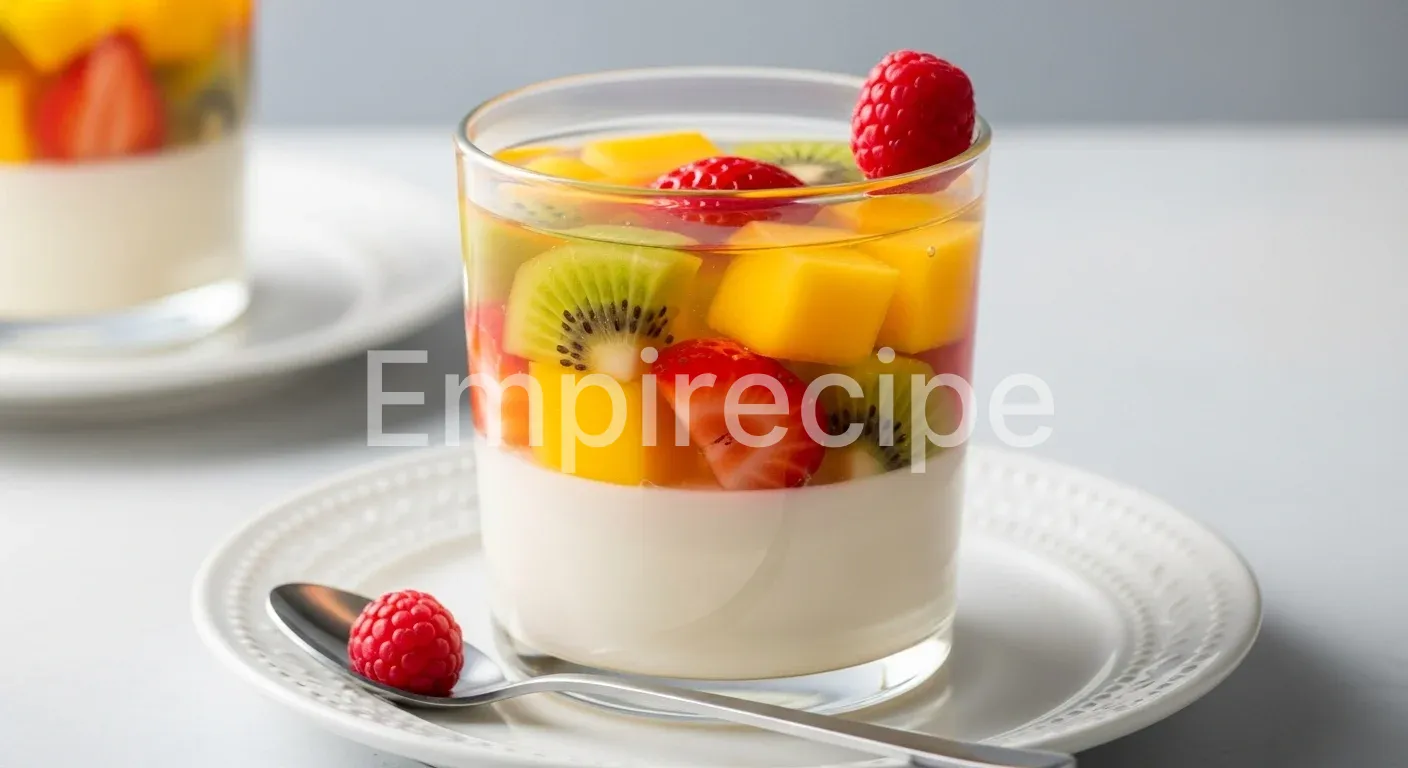
Experience the Two Layer Japanese Gelatin today. This dessert offers a firm yet silky texture. You will enjoy the clean visual contrast.
This recipe demands technical precision from every cook. It uses modern gelling techniques for stability. This treat stays light and refreshing. Master the Two Layer Japanese Gelatin.
Table of Contents
Why You’ll Love This Two Layer Japanese Gelatin
- Visual Precision: Achieve professional, clean geometric layers.
- Balanced Flavor: Contrast creamy milk with vibrant fruit.
- Modern Texture: Experience the unique snap of Japanese agar-agar.
- Efficiency: Minimize prep time with high-performance tools.
Ingredients You’ll Need
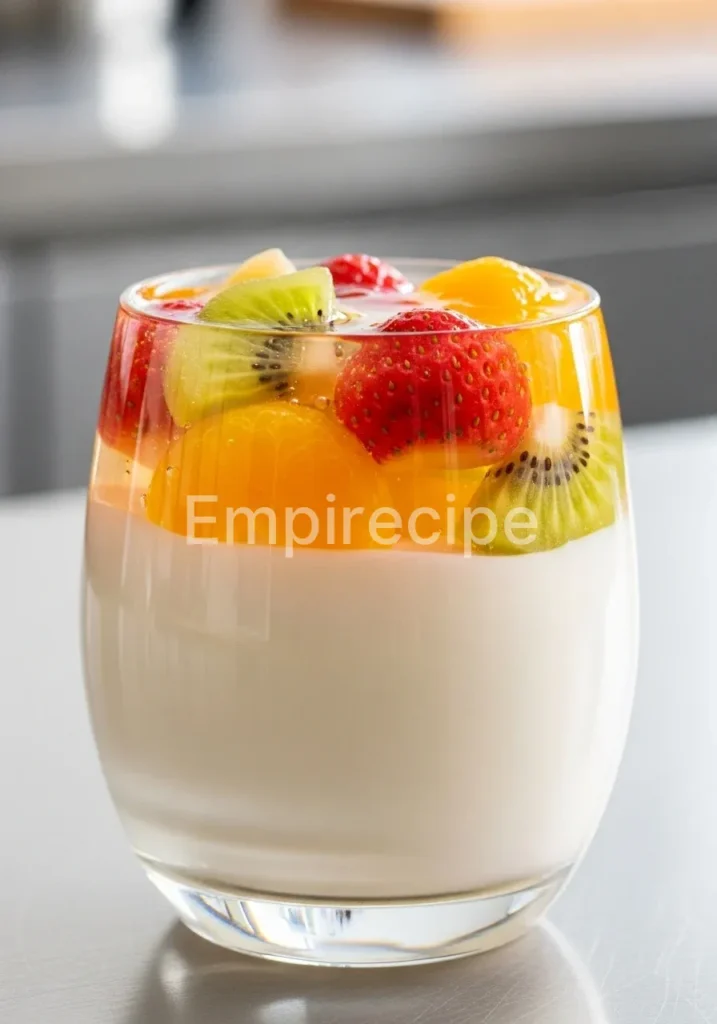
To execute a perfect Two Layer Japanese Gelatin, you must select high-quality gelling agents. I recommend using high-bloom gelatin or authentic Japanese agar-agar (Kanten) for the most stable results. Quality fruit juices provide the vibrant color and natural acidity required to balance the creamy base layer.
| Ingredient Type | Quantity | Technical Purpose |
|---|---|---|
| Agar-Agar Powder | 4 Grams | Structural setting agent |
| Whole Milk | 250 Milliliters | Opaque base layer foundation |
| Granulated Sugar | 50 Grams | Sweetness and moisture retention |
| Fruit Juice (Clear) | 250 Milliliters | Translucent top layer color |
| Filtered Water | 100 Milliliters | Hydration for the gelling agent |
| Vanilla Extract | 2 Milliliters | Aromatic depth for the milk layer |
Substitutions & Variations
[ra_display_video url=”https://www.youtube.com/watch?v=DpIPc9jLmRo”]
You can easily modify the Two Layer Japanese Gelatin to meet specific dietary requirements without compromising the structural integrity of the dessert.
- Plant-Based: Replace whole milk with barista-grade almond or coconut milk.
- Natural Sweeteners: Substitute granulated sugar with monk fruit sweetener or agave nectar.
- Fruit Options: Use lychee or white grape juice for a clear, minimalist aesthetic.
- Flavor Boost: Add matcha powder to the milk layer for a traditional Japanese profile.
You can easily modify the Two Layer Japanese Gelatin to meet specific dietary requirements without compromising the structural integrity of the dessert. For instance, try Mom’s Ribbon Gelatin for a creative twist that adapts to various preferences Mom’s Ribbon Gelatin.
Equipment You’ll Need
As an expert in modern cooking, I emphasize the importance of using the right tools. For the Two Layer Japanese Gelatin, precision is non-negotiable. You cannot rely on volume measurements alone.
First, invest in a Digital Gram Scale. Gelling agents like agar-agar require precise measurements to the tenth of a gram. A slight deviation will result in a rubbery texture or a failure to set.
Second, use a Digital Instant-Read Thermometer. You must heat the mixture to at least 85 degrees Celsius (185 degrees Fahrenheit) to activate the agar-agar molecules fully.
Third, select a Silicone Rectangular Mold or a traditional Japanese Nagashikan. These tools allow for sharp edges and easy removal. Finally, use a Fine-Mesh Sieve.
Straining your liquid mixture ensures that no undissolved particles ruin the clarity of your Two Layer Japanese Gelatin. High-performance equipment guarantees a professional finish every time.
Step-by-Step Instructions
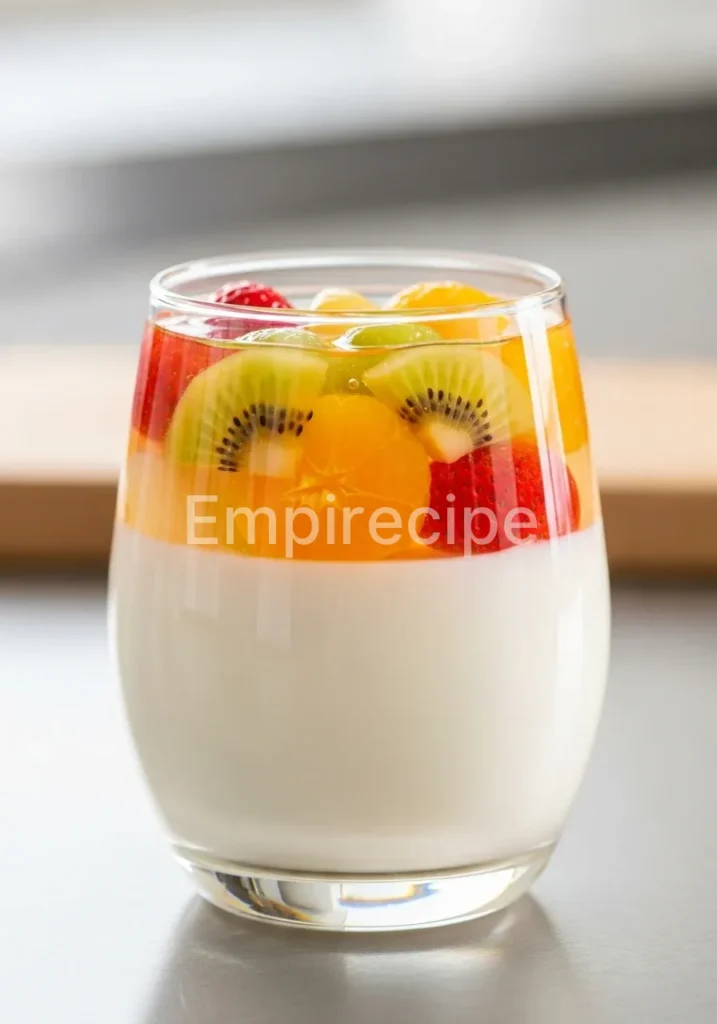
Follow these technical steps to ensure your Two Layer Japanese Gelatin achieves the perfect separation and texture.
- Prepare the Gelling Base: Combine 2 grams of agar-agar with 100 milliliters of filtered water in a small saucepan. Stir constantly over medium heat. Bring the mixture to a simmer and maintain it for exactly two minutes to hydrate the powder.
- Create the Milk Layer: Incorporate the whole milk and 25 grams of sugar into the agar-agar base. Whisk gently to avoid creating excessive air bubbles. Heat the mixture until it reaches 80 degrees Celsius. Add vanilla extract for flavor.
- First Pour: Pass the milk mixture through a fine-mesh sieve into your mold. Use a torch or a toothpick to pop any surface bubbles. Place the mold in the refrigerator for 20 to 30 minutes. You want the surface to be firm but slightly tacky to the touch.
- Prepare the Fruit Layer: While the first layer sets, repeat the gelling process. Mix 2 grams of agar-agar with your chosen fruit juice and the remaining sugar. Heat to a simmer for two minutes. Let the liquid cool to approximately 40 degrees Celsius.
- The Second Pour: This step defines the Two Layer Japanese Gelatin. Gently pour the fruit mixture over the back of a spoon onto the milk layer. This technique prevents the warm liquid from breaking the surface of the base layer.
- Final Set: Refrigerate the entire mold for at least three hours. For the best structural results, leave it overnight. This allows the molecular bonds to strengthen significantly.
- Unmolding: Run a thin offset spatula around the edges. Invert the mold onto a flat serving plate. Slice the Two Layer Japanese Gelatin into uniform rectangles using a damp, sharp knife.
Follow these technical steps to ensure your Two Layer Japanese Gelatin achieves the perfect separation and texture. It’s essential to understand the process involved; you might also find our Fruit Gelatin Recipe helpful for creating delicious fruity layers Fruit Gelatin Recipe.
Pro Tips for Success
To master the Two Layer Japanese Gelatin, you must understand the science of surface tension and temperature.
- Temperature Control: Never pour a boiling liquid over a set layer. The heat will melt the interface, causing the colors to bleed. Aim for a “warm but not hot” temperature for the second pour.
- Avoid Acidic Interference: Certain fruits like pineapple or kiwi contain enzymes that break down proteins. If you use fresh juice from these fruits, you must boil the juice first to denature those enzymes. This ensures your Two Layer Japanese Gelatin sets properly.
- Clarity Hack: Always skim the foam off the top of the boiling liquid. This ensures the translucent layer remains crystal clear.
- Bubble Removal: A culinary blowtorch is the best tool for removing surface bubbles. A quick pass of the flame will yield a glass-like finish on your Two Layer Japanese Gelatin.
- Knife Technique: Wipe your knife with a warm, wet cloth between every single cut. This prevents the milk layer from smearing onto the clear fruit layer.
Storage & Reheating Tips
Store the Two Layer Japanese Gelatin in an airtight container in the refrigerator. Proper storage prevents the gelatin from absorbing unwanted odors from other foods. This dessert remains stable for up to five days when kept at 4 degrees Celsius.
Do not freeze this recipe. Freezing destroys the cellular structure of the agar-agar, leading to a watery and crumbly mess upon thawing. This dessert does not require reheating.
Serve it chilled to maintain its refreshing properties. If the Two Layer Japanese Gelatin sits at room temperature for more than two hours, its texture may soften slightly, though agar-agar is more heat-resistant than animal-based gelatin.
Store the Two Layer Japanese Gelatin in an airtight container in the refrigerator. To explore a similar dessert, check out our Yogurt-Berry Jelly Squares for another refreshing treat that stores well Yogurt-Berry Jelly Squares.
What to Serve With This Recipe
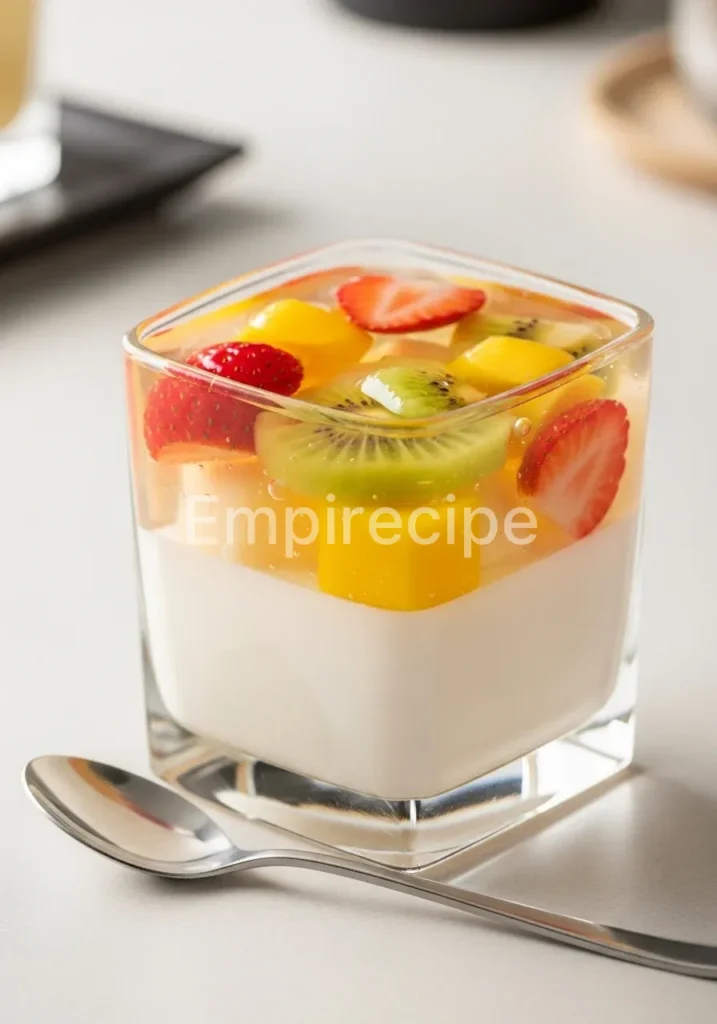
The Two Layer Japanese Gelatin is a minimalist dessert that pairs best with clean, light flavors. You want to complement the texture without overwhelming the palate.
- Fresh Seasonal Berries: Serve a side of tart raspberries or blueberries to balance the sweetness of the milk layer.
- Roasted Nuts: A handful of toasted almonds provides a necessary crunch that contrasts with the smooth gelatin.
- Green Tea: A hot cup of Matcha or Sencha acts as a digestive aid and enhances the Japanese theme.
- Light Salads: If serving as part of a brunch, pair the Two Layer Japanese Gelatin with a citrus and arugula salad.
Frequently Asked Questions (FAQ)
Can I use gelatin sheets instead of agar-agar for this recipe?
Yes, you can substitute gelatin sheets for agar-agar in the Two Layer Japanese Gelatin. However, the texture will be significantly softer and more “jiggly.” Use approximately 2 sheets of gold-strength gelatin for every 250 milliliters of liquid. Remember that gelatin requires blooming in cold water before heating, and it must never reach a boil, or it will lose its setting power.
Why did my layers separate after unmolding?
Layer separation in a Two Layer Japanese Gelatin usually occurs because the first layer cooled too much or became too firm before the second pour. If the surface is too dry, the layers will not bond. To fix this, ensure the first layer is “tacky” (slightly sticky) when you add the second mixture. If it is already hard, lightly score the surface with a fork to create grip.
Is agar-agar healthier than traditional gelatin?
Agar-agar is a plant-based alternative derived from red algae. It is high in fiber and contains no calories, carbs, or fat. For those following a vegan or vegetarian diet, it is the superior choice for making a Two Layer Japanese Gelatin. Additionally, agar-agar stays firm at room temperature, making it a more versatile option for summer gatherings or outdoor events.
Two Layer Japanese Gelatin is a delightful dessert that showcases the precision of layering flavors and textures. This unique dessert not only emphasizes aesthetic appeal but also utilizes modern techniques to ensure a successful gel formation, making it an excellent choice for both home cooks and professional chefs alike.
Final Thoughts
The Two Layer Japanese Gelatin bridges the gap between home cooking and professional pastry. It evokes a sense of calm through its clean lines. You share more than a dessert; you share a craft. This Two Layer Japanese Gelatin represents your growth in technical skill.
Nutrition Information (per serving)
This Two Layer Japanese Gelatin recipe provides a light, low-fat dessert option perfect for health-conscious individuals.
| Metric | Value per Serving |
|---|---|
| Calories | 115 kcal |
| Total Fat | 2.5g |
| Carbohydrates | 22g |
| Sugars | 18g |
| Protein | 2g |
| Fiber | 1g |
Two Layer Japanese Gelatin
Experience the Two Layer Japanese Gelatin with its firm yet silky texture and clean visual contrast. This dessert uses modern gelling techniques for stability and stays light and refreshing.
Ingredients
Method
- Combine 2 grams of agar-agar with 100 milliliters of filtered water in a saucepan. Stir and simmer for 2 minutes.
- Add whole milk and 25 grams of sugar into the agar-agar base. Heat until it reaches 80 degrees Celsius, then add vanilla extract.
- Strain the milk mixture into the mold and refrigerate for 20-30 minutes until slightly tacky.
- Mix 2 grams of agar-agar with fruit juice and remaining sugar, heat to simmer for 2 minutes, and cool to 40 degrees Celsius.
- Pour the fruit mixture over the back of a spoon onto the milk layer, then refrigerate for at least 3 hours, ideally overnight.
- Run a spatula around the edges, invert onto a plate, and slice into rectangles.
Notes
Ensure to control temperature for each pour. Use high-quality ingredients for best results.