The Best Fluffy Pancakes recipe you will fall in love with. Full of tips and tricks to help you make the best pancakes.

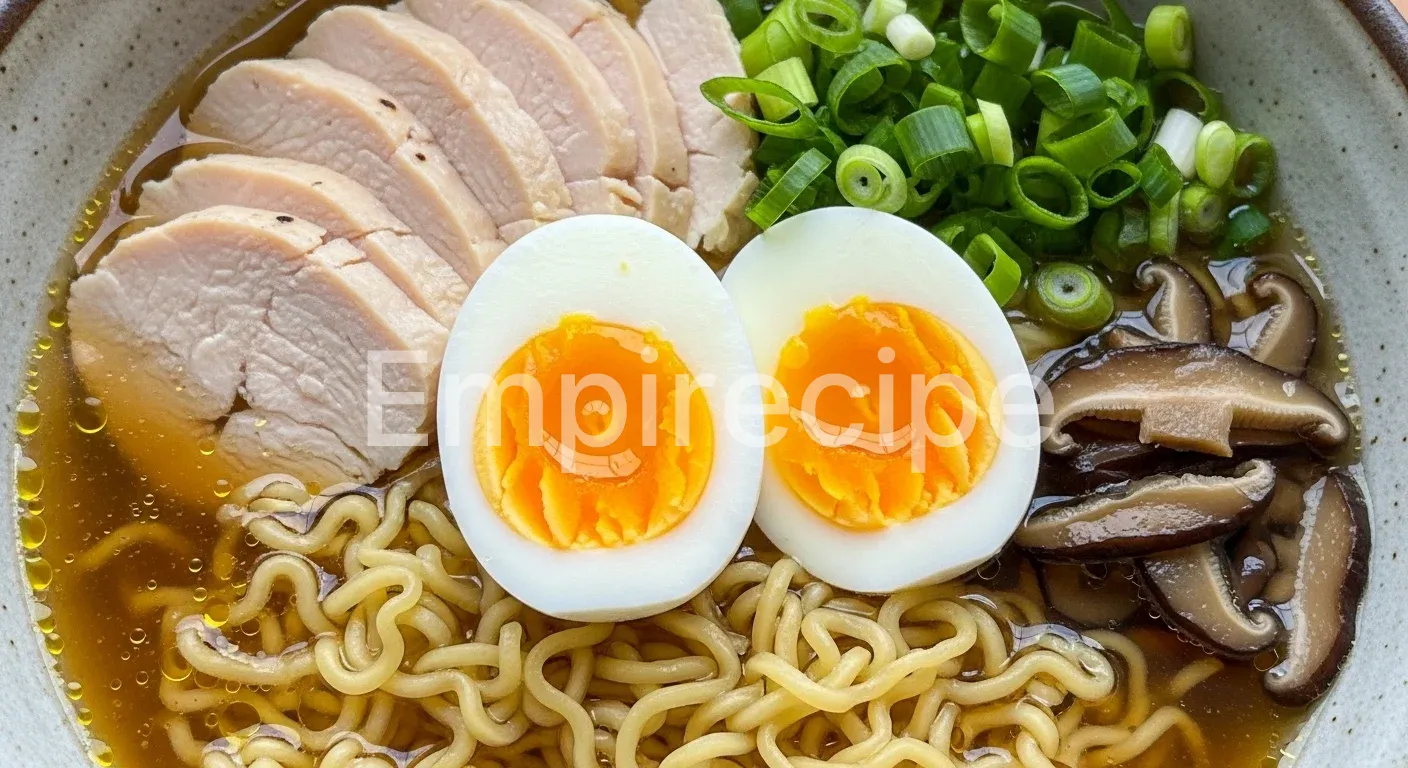
Warm your soul with this vibrant Chicken Ramen. It features a golden, aromatic broth and silky noodles. This dish offers the perfect balance of salty, savory, and fresh notes.
You will love the crunch of fresh veggies against the tender meat. Let us cook a bowl of pure comfort today!
Table of Contents
Why You’ll Love This Recipe (Chicken Ramen)
- Bursting with deep umami flavors.
- Quick and nutritious for busy nights.
- Uses simple, wholesome ingredients.
- Fully customizable for zero-waste cooking.
Ingredients You’ll Need
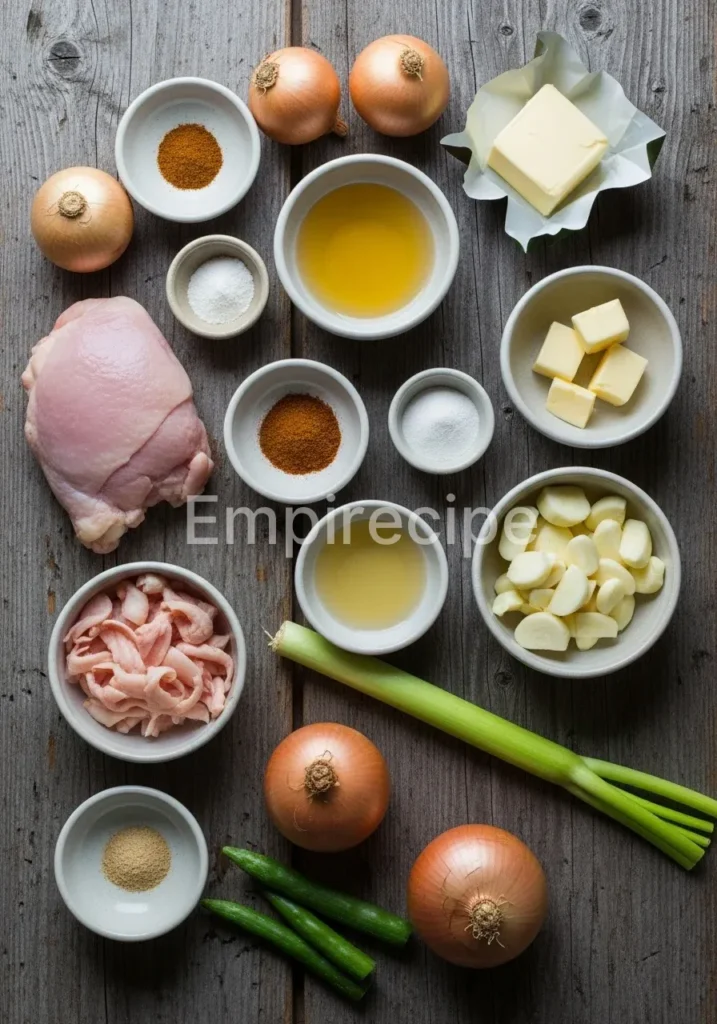
To create a truly spectacular Chicken Ramen, ingredient quality makes all the difference. As a chef who values eco-responsible choices, I always recommend sourcing organic or locally-raised poultry. This ensures a richer flavor and supports sustainable farming practices.
For the base, we use a combination of fresh aromatics and high-quality soy sauce to build layers of complexity. The noodles are the heart of the dish, so look for fresh alkaline noodles if available at your local market. If you cannot find fresh ones, high-quality dried ramen nests work perfectly too.
We also incorporate seasonal greens like bok choy or spinach to add a pop of color and vital nutrients. Don’t forget the eggs! A perfectly jammy, soft-boiled egg adds a luxurious creaminess to the broth that is simply irreplaceable. We also use sesame oil to provide a toasted, nutty finish that ties all the elements together beautifully.
| Ingredient | Quantity | Notes |
|---|---|---|
| Chicken Thighs | 500g | Skin-on for extra flavor and crispiness. |
| Ramen Noodles | 400g | Fresh or dried alkaline noodles. |
| Chicken Broth | 1.5 Liters | Low-sodium, ideally homemade or organic. |
| Ginger | 30g | Freshly grated or sliced into matchsticks. |
| Garlic Cloves | 4 pieces | Minced finely for maximum infusion. |
| Soy Sauce | 3 tablespoons | Use Tamari for a gluten-free version. |
| Sesame Oil | 1 tablespoon | Toasted oil provides the best aroma. |
| Bok Choy | 2 heads | Sliced lengthwise for a lovely presentation. |
| Eggs | 4 large | Room temperature for perfect boiling. |
| Green Onions | 3 stalks | Finely sliced on a bias for garnish. |
| Nori Sheets | 2 sheets | Cut into small rectangles for umami. |
Substitutions & Variations
[ra_display_video url=”https://www.youtube.com/watch?v=qE5aRW660QQ”]
Swap chicken for smoked tofu or tempeh for a fusion twist. Use rice noodles for gluten-free diets. Add chili oil if you crave heat or miso paste for extra richness.
If you’re looking to mix things up, consider trying a unique twist on the classic dish with a White Chicken Lasagna Soup, which combines familiar flavors in an unexpected way. Check it out for an easy recipe by clicking here.
Equipment You’ll Need
Preparing a professional-grade Chicken Ramen at home does not require a commercial kitchen, but a few specific tools will make the process much smoother and more enjoyable. First, you will need a heavy-bottomed Dutch oven or a large stockpot. This is essential for simmering the broth and allowing the flavors to meld without burning.
A high-quality chef’s knife is your best friend here, as you will be doing a fair amount of slicing and mincing. To achieve those perfect soft-boiled eggs, a small saucepan and a slotted spoon are necessary. I also recommend having a fine-mesh strainer on hand; this allows you to remove aromatics from the broth if you prefer a crystal-clear liquid.
For serving, deep ceramic bowls are traditional and help retain heat, ensuring your soup stays piping hot until the very last slurp. Finally, don’t forget a pair of long cooking chopsticks or tongs to handle the noodles with precision and grace during the plating process.
Step-by-Step Instructions
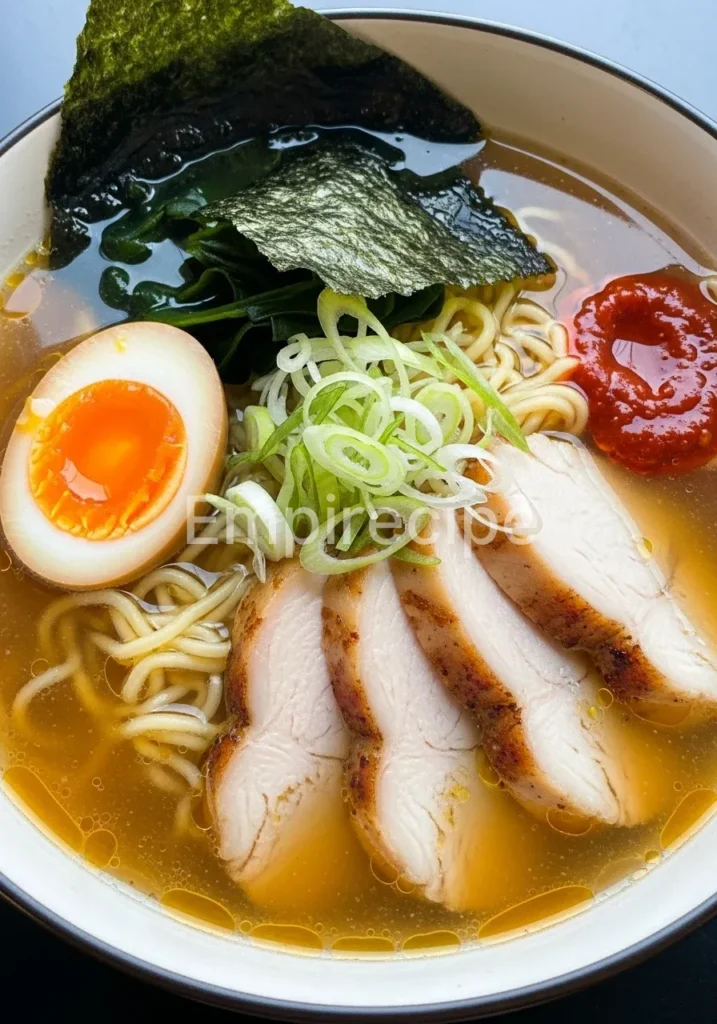
- Prepare the Chicken: Pat the chicken thighs dry with a paper towel. Season them generously with sea salt and cracked black pepper. Heat a splash of oil in your large pot over medium-high heat. Place the chicken skin-side down and sear until the skin is golden brown and crispy, about 6 minutes. Flip and cook for another 4 minutes until cooked through. Remove from the pot and set aside to rest before slicing into thin strips.
- Sauté the Aromatics: In the same pot, keep the rendered chicken fat. Lower the heat to medium and add the minced garlic and grated ginger. Stir constantly for about 1 minute until the kitchen smells incredible. Be careful not to burn the garlic, as it can turn bitter. This step is the secret to a fragrant Chicken Ramen base.
- Build the Broth: Pour the chicken broth into the pot, scraping the bottom with a wooden spoon to release all the browned bits (the fond). Add the soy sauce and a splash of mirin if you have it. Bring the liquid to a gentle boil, then reduce the heat and let it simmer for at least 15 minutes. This allows the ginger and garlic to fully permeate the broth.
- Cook the Eggs: While the broth simmers, bring a small pot of water to a boil. Gently lower the eggs into the water using a slotted spoon. Boil for exactly 6 and a half minutes for a jammy yolk. Immediately transfer the eggs to an ice bath to stop the cooking process. Once cooled, peel them carefully and slice them in half lengthwise.
- Prepare the Noodles and Greens: In a separate pot of boiling water, cook your ramen noodles according to the package instructions (usually 2-3 minutes for fresh). During the last minute of cooking, toss in the bok choy to blanch it. Drain everything well. Using a separate pot for noodles ensures your main Chicken Ramen broth stays clear and doesn’t get starchy.
- Assemble the Bowls: Divide the cooked noodles among four deep bowls. Ladle the hot, fragrant broth over the noodles. Arrange the sliced chicken, blanched bok choy, and two egg halves on top. Finish the dish with a drizzle of toasted sesame oil, a sprinkle of green onions, and a piece of nori tucked into the side.
For those who appreciate the rich and creamy taste of soups, the Thai Coconut Chicken Soup could be a wonderful alternative that incorporates similar elements. Discover its deliciousness by visiting this link.
Pro Tips for Success
To take your Chicken Ramen to the next level, focus on the temperature and timing. Always serve the broth boiling hot; a lukewarm ramen is a missed opportunity for comfort. If you want a deeper flavor profile, consider adding a piece of dried kombu (kelp) to the broth while it simmers, but remember to remove it before it boils to avoid a slimy texture.
For the chicken, letting it rest for five minutes before slicing is crucial. This ensures the juices redistribute, keeping the meat succulent rather than dry. If you are a fan of heat, making a quick “aroma oil” by heating sesame oil with red pepper flakes and pouring it over the finished bowl adds both visual appeal and a spicy kick.
Another eco-friendly tip: save your vegetable scraps like onion skins and carrot tops in the freezer to make your own broth next time. This anti-waste habit creates a personalized flavor that store-bought versions simply cannot match.
Storage & Reheating Tips
If you have leftovers of your Chicken Ramen, the best approach is to store the components separately. Keep the broth in one airtight container and the noodles, meat, and vegetables in another. This prevents the noodles from absorbing all the liquid and turning into a mushy mess.
The broth will stay fresh in the refrigerator for up to four days. When you are ready to enjoy it again, reheat the broth in a small saucepan until it reaches a rolling boil.
For the noodles and chicken, I recommend steaming them briefly or dipping them into the boiling broth for 30 seconds to warm them through without overcooking. Avoid microwaving the soft-boiled eggs, as they can explode; instead, let them come to room temperature on the counter before adding them back to the hot soup.
When it comes to utilizing leftovers effectively, you might be interested in how to store your Chicken Ramen and enjoy it later without compromising on taste. For more tips, you can read about it in this article.
What to Serve With This Recipe
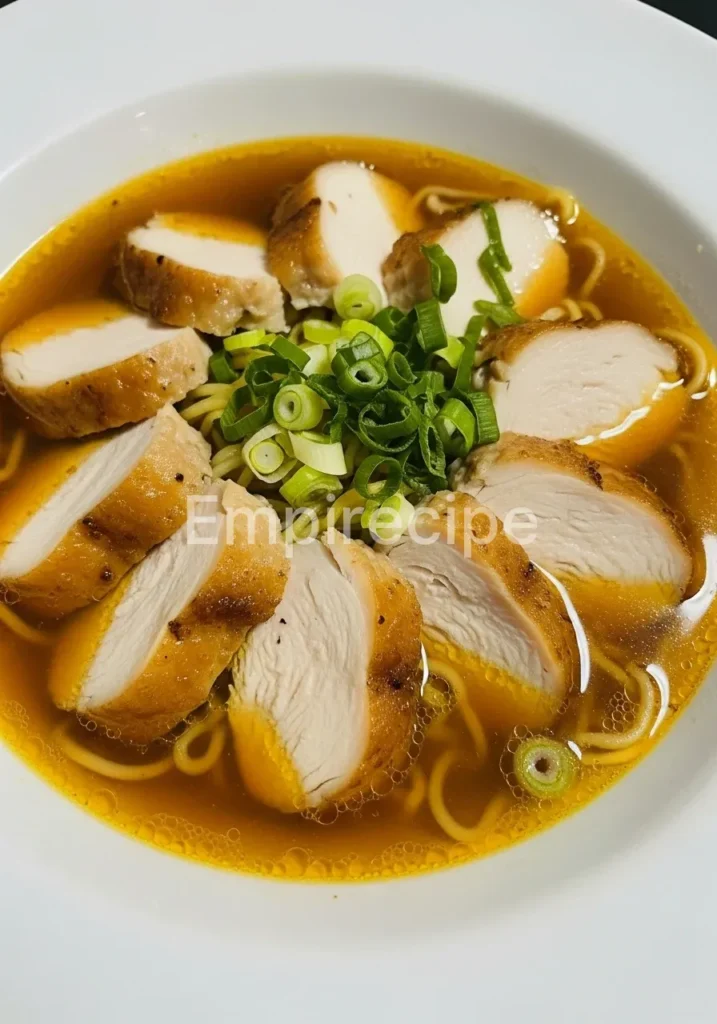
While this Chicken Ramen is a complete meal on its own, adding a few side dishes can turn it into a full Japanese-inspired feast. I love serving a light, crunchy cucumber salad dressed with rice vinegar and sesame seeds to provide a cooling contrast to the hot soup. Steamed edamame with a sprinkle of flaky sea salt is another fantastic, protein-rich appetizer that keeps the meal healthy and fun.
If you want to stay in the fusion spirit, try some pan-seared gyoza or even roasted broccoli with a miso glaze. These pairings enhance the umami notes of the ramen without being too heavy. For a refreshing beverage, a pot of hot jasmine green tea or a cold glass of sparkling water with a twist of lime perfectly cleanses the palate between savory bites.
Frequently Asked Questions (FAQ)
Can I make this recipe vegetarian?
Absolutely! You can easily transform this into a plant-based delight by substituting the chicken with crispy tofu and using a rich vegetable broth. Enhance the umami by adding dried shiitake mushrooms to the simmering liquid. The technique remains the same, ensuring a satisfying and eco-responsible meal.
What are alkaline noodles and why are they important?
Alkaline noodles contain “kansui,” a specific type of mineral water. This ingredient gives the noodles their characteristic yellow hue, springy texture, and ability to stand up to hot broth without dissolving. They are essential for an authentic Chicken Ramen experience, providing that perfect “slurpable” quality.
How do I get the perfect jammy egg?
Consistency is key for the perfect ramen egg. Start with room-temperature eggs and a boiling pot of water. Use a timer for exactly 6 minutes and 30 seconds. The most important step is the ice bath; it stops the cooking immediately, leaving the whites firm and the yolks beautifully golden and liquid.
This popular noodle dish is known for its comforting broth and versatility. Often enjoyed with various toppings, Chicken Ramen offers a delightful culinary experience that you can learn more about in this detailed resource.
Final Thoughts
Preparing Chicken Ramen at home is a beautiful ritual that nourishes both the body and the soul. It encourages us to slow down, appreciate fresh ingredients, and enjoy the creative process of building flavors. Share this vibrant bowl with your loved ones and celebrate the joy of mindful, delicious eating.
Nutrition Information (per serving)
This Chicken Ramen provides a balanced mix of lean protein, healthy fats, and complex carbohydrates to keep you energized.
| Metric | Value |
|---|---|
| Calories | 540 kcal |
| Protein | 32g |
| Total Fat | 18g |
| Carbohydrates | 62g |
| Fiber | 4g |
| Sodium | 1450mg |
Chicken Ramen
Warm your soul with this vibrant Chicken Ramen. It features a golden, aromatic broth and silky noodles, offering the perfect balance of salty, savory, and fresh notes with a crunch of fresh veggies against the tender meat.
Ingredients
Method
- Pat the chicken thighs dry with a paper towel, season with salt and pepper, and sear skin-side down in oil for 6 minutes. Flip and cook for another 4 minutes, then set aside to rest.
- In the same pot, keep the rendered fat, lower the heat, and sauté minced garlic and grated ginger for about 1 minute.
- Pour in the chicken broth, scrape the bottom for flavors, add soy sauce, and let it simmer for at least 15 minutes.
- Boil a small pot of water and cook the eggs for exactly 6 and a half minutes, then transfer them to an ice bath. Peel and slice in half.
- Cook the ramen noodles according to package instructions and toss in the bok choy for the last minute. Drain well.
- Divide the noodles into bowls, ladle hot broth over, and top with chicken, bok choy, egg halves, sesame oil, green onions, and nori.
Notes
Use organic or locally-raised poultry for richer flavor. Save vegetable scraps to make your own broth. For heat, add chili oil or miso paste.