The Best Fluffy Pancakes recipe you will fall in love with. Full of tips and tricks to help you make the best pancakes.

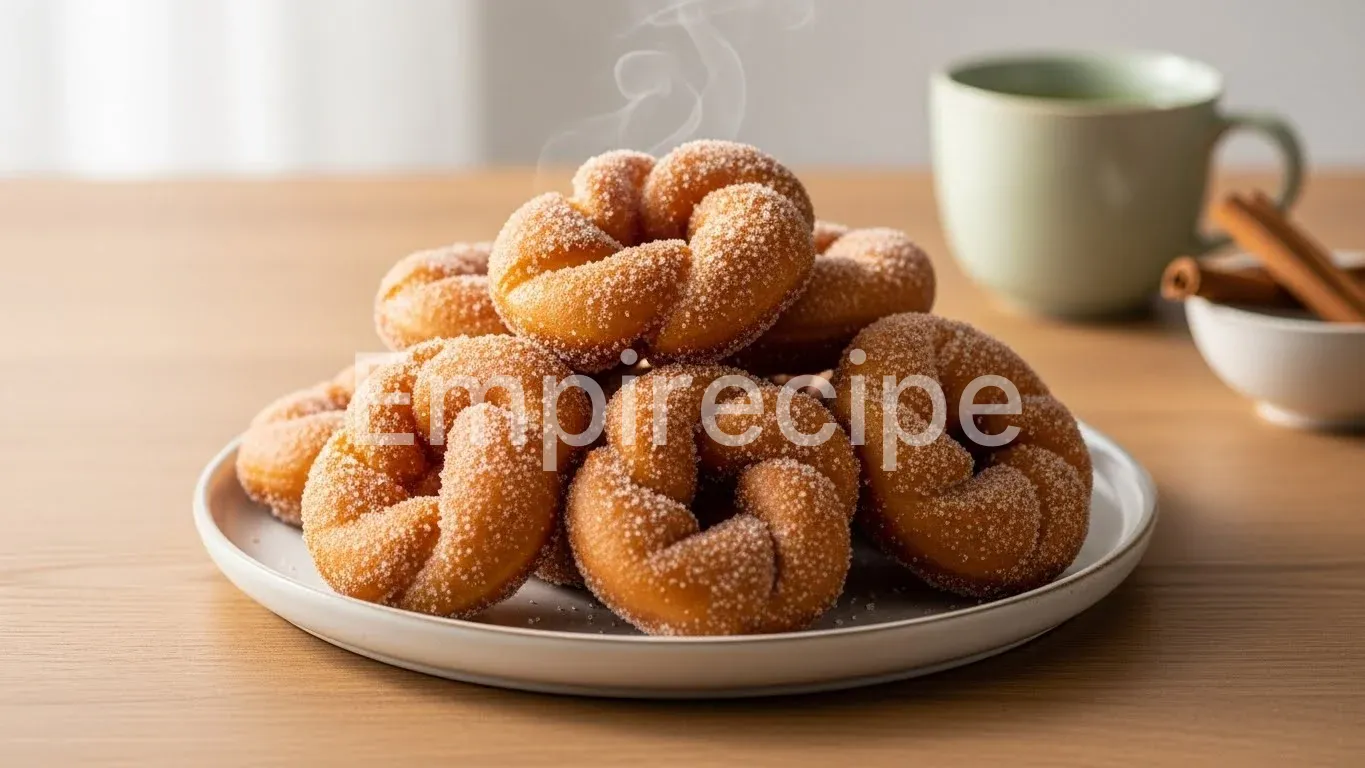
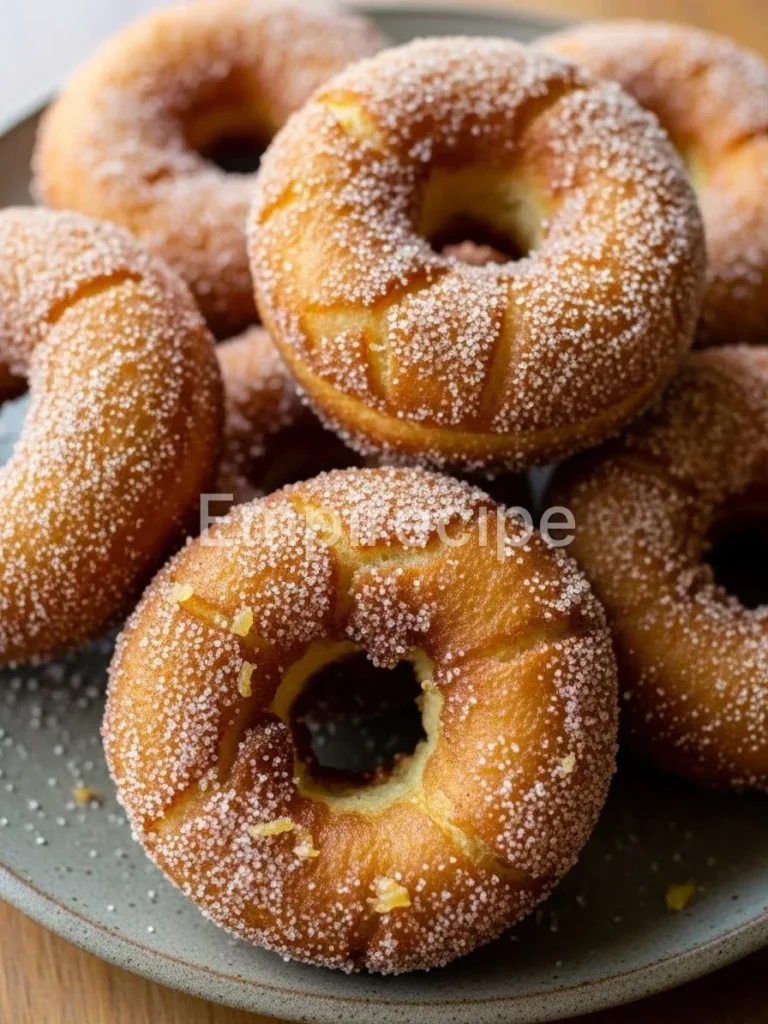
Korean Twisted Donuts (Kkwabaegi) offer an exquisite blend of tender chewiness and delicate sweetness, a true masterpiece of street food. Mastering this recipe delivers a light, airy texture with a subtly crisp exterior, a delightful contrast that captivates from the first bite. My approach integrates precise techniques for optimal dough development and a perfect golden fry.
Elevate your home baking with these irresistible treats, a modern twist on a cherished classic. This guide empowers you to craft perfect Kkwabaegi, ensuring a rewarding culinary experience.
Table of Contents
Why You’ll Love These Korean Twisted Donuts
- Achieve an unparalleled airy, chewy texture with subtle sweetness.
- Master advanced dough techniques easily, enhancing your baking repertoire.
- Enjoy a lighter fried treat, thanks to precise temperature control.
- Impress everyone with these uniquely shaped and delicious Korean Twisted Donuts.
Ingredients You’ll Need
- All-Purpose Flour: Unbleached, medium-protein flour for optimal gluten development, crucial for signature chewiness. Precision in flour weight ensures consistent results.
- Instant Yeast: Rapid-rise yeast guarantees efficient proofing, contributing to airy texture.
- Granulated Sugar: Balances yeast activity, provides subtle sweetness.
- Salt: Critical flavor enhancer. Use fine sea salt for even distribution.
- Milk: Whole milk, warmed to 105-115°F (40-46°C), activates yeast effectively. Its fat content enriches the dough.
- Egg: One large egg, room temperature, adds richness, tenderness, and binds the dough for a stronger structure.
- Unsalted Butter: Softened butter, incorporated gradually, enriches dough and improves texture.
- Vegetable Oil (for frying): High smoke point oil (canola, sunflower, grapeseed) is essential for deep-frying these delightful donuts. Fresh oil minimizes off-flavors.
- Cinnamon Sugar Topping: Granulated sugar and ground cinnamon for a classic finish. Adjust ratio to preference.
Substitutions & Variations
[ra_display_video url=”https://www.youtube.com/watch?v=lLy9ojZZFOw”]
For a healthier donut, replace half the all-purpose flour with whole wheat pastry flour, boosting fiber while maintaining a light texture. Reduce dough sugar by 25% and rely more on the topping. Explore alternative toppings like finely crushed nuts or a light honey drizzle instead of cinnamon sugar for a fresh twist. These adjustments offer a nutritious spin on the classic Kkwabaegi.
For a healthier donut variation, consider exploring the recipe for Blueberry Donuts. These donuts maintain a light texture while incorporating whole wheat flour and fresh fruit toppings.
Equipment You’ll Need
- Stand Mixer with Dough Hook: Essential for efficient kneading and gluten development.
- Digital Kitchen Scale: Guarantees precise ingredient measurement for consistent results.
- Large Mixing Bowls: For proofing dough.
- Plastic Wrap or Kitchen Towel: To cover dough during proofing.
- Rolling Pin: For uniform dough shaping.
- Sharp Knife or Bench Scraper: For precise dough portioning.
- Large Dutch Oven or Deep Pot: Ideal for stable oil temperatures during frying.
- Deep-Fry Thermometer: Critical for monitoring oil temperature; non-negotiable for perfect Kkwabaegi.
- Spider Skimmer or Slotted Spoon: For safely handling fried donuts.
- Wire Cooling Rack: Drains excess oil, prevents sogginess.
- Baking Sheet: Placed under cooling rack to catch drips.
- Small Bowl: For mixing cinnamon sugar topping.
Step-by-Step Instructions
- Activate the Yeast: In a stand mixer bowl, combine warm milk, sugar, and instant yeast. Whisk gently, let stand 5-10 minutes until frothy. This confirms yeast viability, crucial for successful Kkwabaegi.
- Combine Dry Ingredients: Add flour and salt to the yeast mixture. Attach dough hook.
- Begin Kneading: Mix on low speed for 2 minutes until combined. Scrape bowl sides.
- Incorporate Egg and Butter: Add room temperature egg, knead 2 minutes. Gradually add softened unsalted butter, one tablespoon at a time, incorporating fully before next. This promotes emulsification.
- Intensive Kneading: Increase mixer speed to medium-low (setting 4) and knead 10-12 minutes. Dough should be smooth, elastic, and pull cleanly from bowl. Perform a windowpane test for proper gluten development, paramount for their airy texture.
- First Proof: Form dough into a ball. Lightly grease a large bowl, place dough, turn to coat. Cover tightly. Proof in a warm, draft-free place for 1-1.5 hours, or until doubled.
- Portion and Rest: Gently punch down dough. Transfer to lightly floured surface. Divide into 12-16 (50-60g) portions. Cover with plastic wrap, rest 10 minutes to relax gluten, aiding Kkwabaegi shaping.
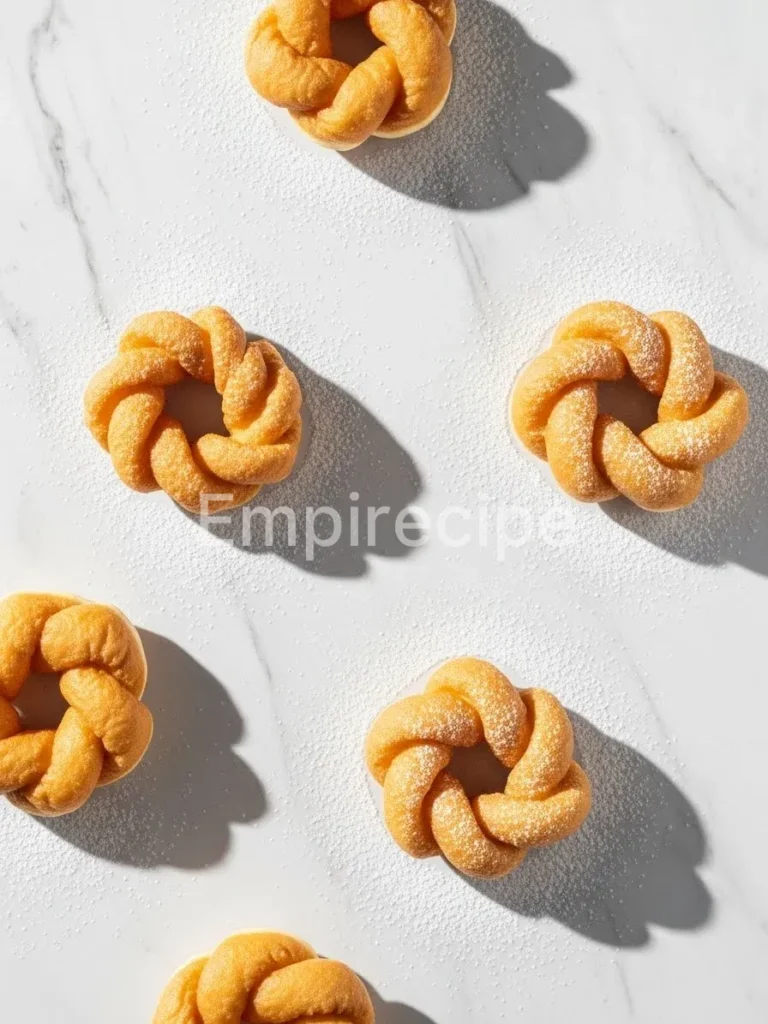
- Shape the Kkwabaegi: Roll one portion into a 10-12 inch (25-30 cm) rope. Fold in half, twist tightly. Pinch ends to secure. Repeat for all. Place shaped Kkwabaegi on a lightly floured baking sheet, not touching.
- Second Proof: Loosely cover shaped Kkwabaegi. Proof 30-45 minutes in a warm place until puffy. Do not over-proof.
- Prepare for Frying: While the donuts proof, fill a Dutch oven with 3-4 inches of vegetable oil. Attach thermometer. Heat oil to 340-350°F (170-175°C). Maintaining this temperature is crucial for frying perfect Korean Twisted Donuts.
- Fry the Donuts: Carefully lower 2-3 Kkwabaegi into hot oil. Fry 1.5-2 minutes per side until golden. Monitor oil temperature.
- Drain and Topping: Remove fried Korean Twisted Donuts with skimmer, transfer to wire rack to drain. While warm, dust or roll Kkwabaegi in cinnamon sugar topping.
- Serve Immediately: Enjoy your freshly made Kkwabaegi warm.
To perfect your Kkwabaegi, activating the yeast is essential; check out the detailed steps in the Homemade Chocolate Glazed Donuts recipe for expert tips on this crucial process.
Pro Tips for Success
- Temperature Control is King: For proofing, use a consistent warm environment. For frying, a digital deep-fry thermometer is non-negotiable. Fluctuations lead to greasy or dry Kkwabaegi. Maintain 340-350°F (170-175°C) diligently.
- The Windowpane Test: Essential during kneading. Proper gluten development is the secret to the signature chewy, airy texture of these treats. Knead more if it tears easily.
- Don’t Over-Proof: Over-proofing collapses structure and sours taste. Watch for puffiness, but avoid excessive expansion before frying your Kkwabaegi.
- Work Clean and Efficiently: Lightly flour your surface and hands; avoid excess flour. Prepare your shaping, frying, and cooling stations in advance.
- Oil Management: Use fresh oil. Avoid overcrowding the pot, which drops oil temperature. Fry in small batches to maintain consistent heat, ensuring uniformly golden and perfectly cooked Kkwabaegi.
Storage & Reheating Tips
Korean Twisted Donuts (Kkwabaegi) taste best fresh. Store leftovers in an airtight container at room temperature for 1-2 days. Reheat in a 300°F (150°C) oven for 5-7 minutes, or air fryer at 325°F (160°C) for 2-3 minutes to restore crispness. Avoid microwaving; it makes these Kkwabaegi soggy.
If you have any leftovers of these delicious Kkwabaegi, find tips on how to store them properly or enjoy a different twist with Baked Chocolate Donuts, which offer a delightful alternative to frying.
What to Serve With This Recipe
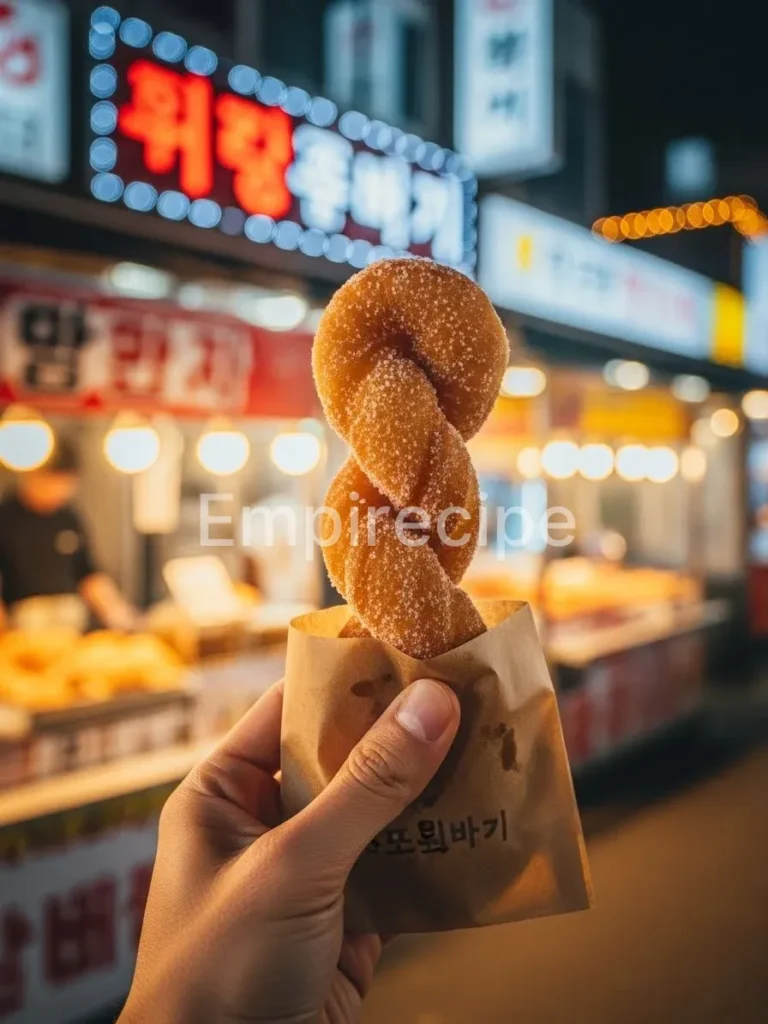
While Korean Twisted Donuts (Kkwabaegi) shine alone, strategic pairing elevates the experience. Serve alongside a fresh, vibrant fruit salad for contrast. Greek yogurt with honey offers a healthy, protein-rich counterpoint.
For an innovative combination, I advocate light green tea or herbal infusion to balance richness and cleanse the palate. This approach complements the Kkwabaegi beautifully.
Frequently Asked Questions (FAQ)
Can I bake Kkwabaegi instead of frying?
Technically yes, but the texture will differ significantly. Baking these Kkwabaegi yields a more bread-like consistency, not the signature light, airy, and crispy fried texture. For an authentic experience, frying is superior. If baking, try 375°F (190°C) for 10-15 minutes, but expect a different result.
What causes greasy Kkwabaegi?
Greasy Kkwabaegi primarily results from incorrect oil temperature. Too cool, and the dough absorbs too much fat. Too hot, and the exterior burns before the interior cooks.
Use a deep-fry thermometer, maintaining 340-350°F (170-175°C). Overcrowding also drops oil temperature, contributing to greasiness.
Can I prepare the dough ahead of time?
Absolutely. Prepare the dough for these delicious treats up to the first proofing stage. After doubling, punch down, form a ball, and refrigerate in an oiled, covered bowl for up to 24 hours.
Before use, let it reach room temperature (30-60 minutes), then proceed with portioning and shaping. This technique adds flexibility.
Korean Twisted Donuts, known as Kkwabaegi, are a unique style of street food that combines a soft, chewy texture with a crispy outer layer. This delicious treat is not only popular in Korea but has been embraced globally, showcasing the rich traditions of Korean cuisine.
Final Thoughts
Crafting Korean Twisted Donuts (Kkwabaegi) is more than just baking; it’s an exploration of technique and taste. This recipe empowers you to create something truly special, a testament to culinary precision and passion. Share these delightful treats and savor every perfectly crafted bite.
Nutrition Information (per serving)
| Nutrient | Amount |
|---|---|
| Calories | 280-350 kcal |
| Total Fat | 15-20 g |
| Saturated Fat | 3-5 g |
| Cholesterol | 30-45 mg |
| Sodium | 150-200 mg |
| Total Carbohydrates | 30-40 g |
| Dietary Fiber | 1-2 g |
| Total Sugars | 10-15 g |
| Protein | 5-7 g |
Korean Twisted Donuts (Kkwabaegi)
Korean Twisted Donuts (Kkwabaegi) offer an exquisite blend of tender chewiness and delicate sweetness, a true masterpiece of street food. Mastering this recipe delivers a light, airy texture with a subtly crisp exterior, ensuring a rewarding culinary experience.
Ingredients
Method
- In a stand mixer bowl, combine warm milk, sugar, and instant yeast. Whisk gently, let stand 5-10 minutes until frothy.
- Add flour and salt to the yeast mixture. Attach dough hook.
- Mix on low speed for 2 minutes until combined. Scrape bowl sides.
- Add room temperature egg, knead 2 minutes. Gradually add softened unsalted butter, one tablespoon at a time.
- Increase mixer speed to medium-low (setting 4) and knead 10-12 minutes until smooth and elastic.
- Form dough into a ball and proof in a greased bowl for 1-1.5 hours until doubled.
- Gently punch down dough, divide into 12-16 portions, and rest 10 minutes.
- Roll each portion into a rope, twist tightly, and pinch ends to secure.
- Loosely cover shaped Kkwabaegi and proof for 30-45 minutes until puffy.
- Heat oil to 340-350°F (170-175°C) in a Dutch oven.
- Fry 2-3 Kkwabaegi for 1.5-2 minutes per side until golden.
- Drain on wire rack and dust with cinnamon sugar topping.
- Serve immediately.
Notes
Temperature control is vital for proofing and frying. Avoid over-proofing and use fresh oil for frying.