The Best Fluffy Pancakes recipe you will fall in love with. Full of tips and tricks to help you make the best pancakes.

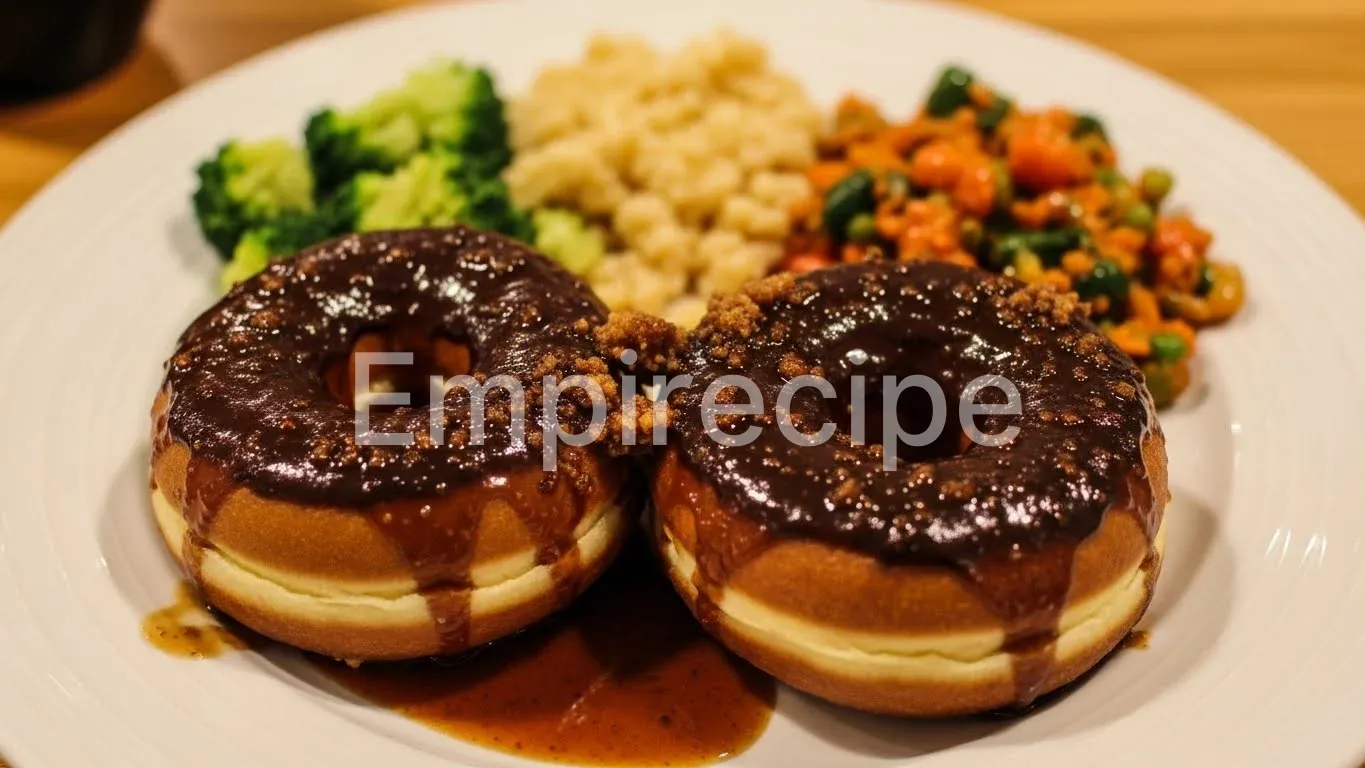
Experience the unparalleled delight of freshly made Glazed Yeast Donuts. Their irresistibly airy texture and perfectly balanced sweetness represent a true baking achievement. Mastering these iconic treats transforms your kitchen into a haven of aromatic bliss. This guide provides the precise techniques for crafting exceptional Glazed Yeast Donuts, elevating your culinary skills with a classic comfort food experience.
Table of Contents
Why You’ll Love This Recipe
Crafting Glazed Yeast Donuts offers significant rewards:
- Unmatched Freshness: Experience superior flavor and texture far beyond anything store-bought.
- Technical Skill Enhancement: Master yeast dough and frying, refining your baking precision.
- Healthier Control: Choose quality ingredients, avoiding unwanted additives for a more wholesome treat.
- Pure Culinary Satisfaction: The process and delicious outcome bring immense joy and a true sense of accomplishment.
Ingredients You’ll Need
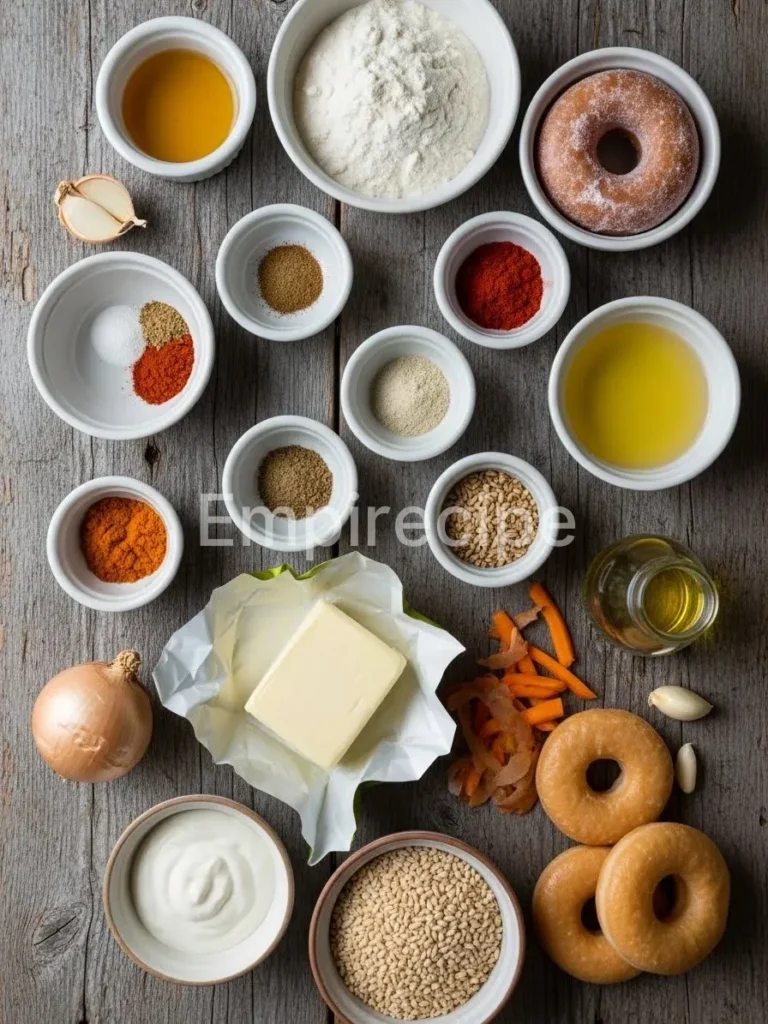
Precision in ingredients is paramount for exceptional Glazed Yeast Donuts. Using high-quality components ensures optimal fermentation, perfect texture, and a glaze that truly shines.
- All-Purpose Flour: Unbleached, for consistent gluten development.
- Granulated Sugar: Balances the yeast and adds sweetness.
- Active Dry Yeast: Ensure it’s fresh and active for proper rise.
- Whole Milk: Warmed to 105-115°F (40-46°C), provides richness and activates yeast.
- Unsalted Butter: Melted and cooled, adds moisture and tenderness.
- Large Eggs: Room temperature, for structure and richness.
- Salt: Fine sea salt, crucial for flavor balance.
- Vanilla Extract: High-quality, for aromatic depth.
- Vegetable Oil: For frying, choose one with a high smoke point like canola or sunflower oil.
- Confectioners’ Sugar: For the glaze, sifted to prevent lumps.
- Milk (for glaze): A touch of whole milk or heavy cream for a rich, smooth glaze.
- Vanilla Extract (for glaze): Enhances the glaze flavor.
Substitutions & Variations
[ra_display_video url=”https://www.youtube.com/watch?v=jsD51CpJYIM”]
Innovating within traditional recipes often yields surprising results. For your Glazed Yeast Donuts, consider these technically sound, healthier substitutions and variations:
- Flour Swap: Partially substitute up to 25% of all-purpose flour with whole wheat pastry flour for added fiber without compromising much tenderness.
- Sweetener Alternatives: Reduce granulated sugar by 15-20% in the dough. For the glaze, sparingly use a natural sweetener like maple syrup or agave nectar, mixed with confectioners’ sugar.
- Dairy-Free Dough: Use unsweetened almond or oat milk and a high-fat plant-based butter substitute.
- Frying Oil: Opt for avocado oil, a healthier monounsaturated fat, for frying, given its high smoke point and neutral flavor.
- Glaze Enhancements: Incorporate a touch of citrus zest (lemon, orange) for a vibrant, fresh flavor profile instead of excessive sugar.
Innovating within traditional recipes often yields surprising results. For exceptional variations of your Glazed Yeast Donuts, consider trying our Cinnamon Roll Donuts which incorporate delicious flavors you’ll love.
Equipment You’ll Need
- Stand Mixer with Dough Hook: For efficient and consistent kneading.
- Large Mixing Bowls: For proofing the dough.
- Rolling Pin: For evenly flattening the dough.
- Donut Cutter (or two round cutters): 3-inch and 1-inch sizes for the donut shape.
- Deep-Fry Thermometer: Absolutely critical for maintaining precise oil temperature.
- Dutch Oven or Deep Pot: For safe and even frying.
- Slotted Spoon or Spider: For safely removing donuts from oil.
- Wire Rack with Baking Sheet: For draining excess oil and setting the glaze.
- Parchment Paper or Silicone Mats: For proofing cut donuts without sticking.
Step-by-Step Instructions
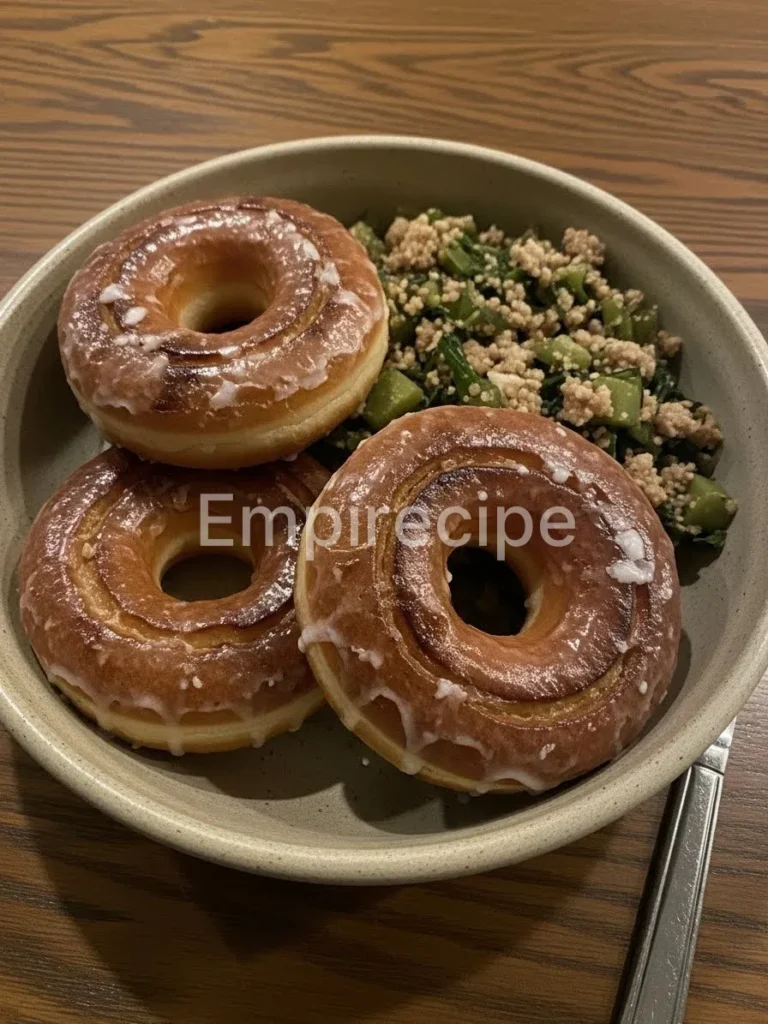
- Activate the Yeast: In the stand mixer bowl, combine warm milk (105-115°F / 40-46°C) with 1 teaspoon of granulated sugar and the active dry yeast. Let it sit for 5-10 minutes until foamy, indicating active yeast.
- Prepare the Dough: Add the remaining granulated sugar, melted butter, eggs, and vanilla extract to the yeast mixture. Mix with the paddle attachment until just combined. Gradually add the flour and salt.
- Knead the Dough: Switch to the dough hook. Knead on low speed for 8-10 minutes. The dough should become smooth, elastic, and pull away from the bowl, passing the windowpane test.
- First Proofing: Lightly grease a large bowl. Place the dough in the bowl, turning once to coat. Cover tightly. Let it proof in a warm, draft-free place for 1-1.5 hours, or until doubled in size. This step develops flavor for your Glazed Yeast Donuts.
- Shape the Donuts: On a lightly floured surface, roll the dough to a uniform ½-inch thickness. Use a donut cutter to cut out shapes. Place cut donuts and holes on parchment-lined baking sheets.
- Second Proofing: Cover the shaped donuts loosely. Let them proof in a warm spot for 30-45 minutes, or until visibly puffy and light. Do not overproof.
- Prepare for Frying: Fill a deep pot with 3-4 inches of vegetable oil. Attach a deep-fry thermometer and heat the oil to a precise 350°F (175°C). Maintain this temperature consistently.
- Fry the Donuts: Carefully lower 2-3 donuts into the hot oil. Fry for 1-2 minutes per side, until golden brown. Do not overcrowd.
- Drain: Remove fried donuts with a slotted spoon and transfer to a wire rack over a baking sheet to drain excess oil.
- Make the Glaze: While donuts cool slightly (remaining warm), whisk together sifted confectioners’ sugar, milk, and vanilla extract in a shallow bowl until smooth. Adjust milk for desired consistency, perfect for your Glazed Yeast Donuts.
- Glaze the Donuts: Dip each warm donut into the glaze, coating evenly. Place them back on the wire rack to allow excess glaze to drip off and set. Serve your Glazed Yeast Donuts immediately.
The activation of the yeast is crucial for the perfect rise in your dough. For a comprehensive guide to making homemade glazed donuts, check out our Homemade Glazed Donuts recipe.
Pro Tips for Success
- Yeast Activation: Always ensure your yeast is active. If it doesn’t foam after 10 minutes, discard and start with new yeast. This is the foundation of airy Glazed Yeast Donuts.
- Dough Temperature: Aim for a dough temperature of 75-78°F (24-25°C) after kneading. This optimizes yeast activity. A digital thermometer is invaluable.
- Windowpane Test: Don’t skip this. It confirms proper gluten development, crucial for that signature chewy-yet-tender texture in your Glazed Yeast Donuts.
- Oil Temperature Control: The single most critical factor for perfect donuts. Invest in a reliable deep-fry thermometer and adjust heat frequently to maintain 350°F (175°C).
- Proofing Environment: A slightly warm, humid, and draft-free environment (like a turned-off oven with the light on) is ideal for proofing.
- Don’t Overcrowd the Fryer: Frying too many donuts at once drastically drops the oil temperature, leading to greasy, dense donuts. Fry in small batches.
Storage & Reheating Tips
While Glazed Yeast Donuts are undeniably best enjoyed fresh, proper storage can extend their deliciousness. For optimal results, plan to consume these Glazed Yeast Donuts on the day of baking.
- Room Temperature: Store leftover glazed donuts in an airtight container at room temperature for up to 1 day.
- Refrigeration: Avoid refrigerating glazed donuts, as it can cause them to dry out. If necessary for unglazed donuts, store in an airtight container for up to 2 days, then re-glaze after reheating.
- Freezing (Unglazed): For longer storage, freeze unglazed, completely cooled donuts. Wrap each individually in plastic wrap, then place in an airtight freezer bag for up to 1 month.
- Reheating Frozen: Thaw frozen donuts at room temperature. Warm them in a preheated oven at 300°F (150°C) for 5-7 minutes. Apply fresh glaze just before serving.
While enjoying your Glazed Yeast Donuts fresh is ideal, knowing how to properly store them can keep your treats delightful for longer. For chocolate lovers, you can also explore our Chocolate Cake Donuts for another sweet option.
What to Serve With This Recipe
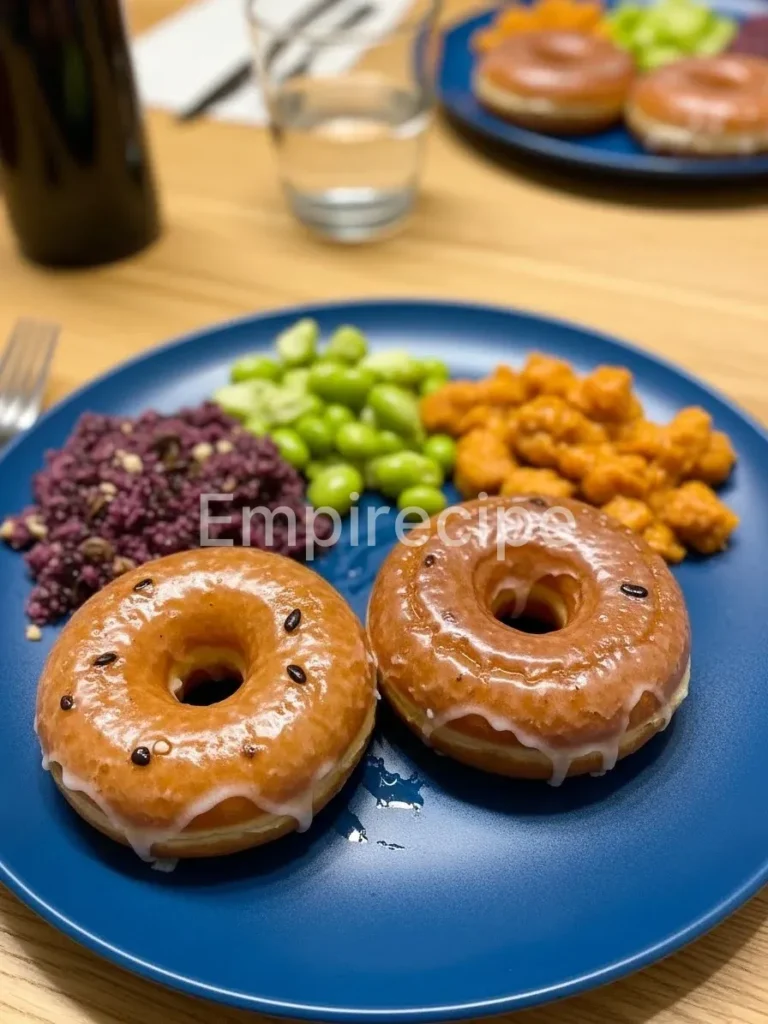
While Glazed Yeast Donuts are a treat in themselves, balancing their richness with refreshing or wholesome accompaniments enhances the culinary experience. Adam suggests these pairings:
- Fresh Fruit Salad: A vibrant medley of berries, melon, and citrus provides a refreshing contrast to the sweet, rich donuts.
- Greek Yogurt Parfait: Layers of plain Greek yogurt, granola, and fresh fruit offer protein and fiber, making for a more substantial and balanced breakfast or brunch.
- Light Green Salad with Vinaigrette: For a daring brunch pairing, a simple salad with mixed greens and a light vinaigrette can surprisingly cut through the sweetness of the Glazed Yeast Donuts.
- Coffee or Tea: A classic pairing, a freshly brewed cup of black coffee or unsweetened herbal tea provides a natural counterpoint to the sweetness.
Frequently Asked Questions (FAQ)
Why did my Glazed Yeast Donuts turn out dense?
Density in Glazed Yeast Donuts often stems from a few technical missteps. Insufficient kneading fails to develop enough gluten for an open crumb. Also, under-proofing or over-proofing can be culprits. Incorrect oil temperature during frying can also lead to dense donuts—too cool, and they absorb oil; too hot, and they form a hard crust.
Can I make the dough for Glazed Yeast Donuts ahead of time?
Absolutely. After the first proofing, gently punch down the dough, then cover it tightly and refrigerate for 8-24 hours. The cold retards yeast activity, allowing for a slower, more complex flavor development. When ready to bake, let the dough warm up slightly, then proceed with shaping and the second proofing for exceptionally flavorful Glazed Yeast Donuts.
How do I ensure my glaze is perfectly smooth and not lumpy?
Achieving a silky-smooth glaze for your Glazed Yeast Donuts requires attention to detail. Always sift your confectioners’ sugar thoroughly before mixing to prevent lumps. Add liquids gradually, whisking continuously, to control consistency precisely. If lumps persist, a quick pass through a fine-mesh sieve will eliminate them, leaving you with an impeccably smooth coating.
Glazed Yeast Donuts are renowned for their light and fluffy texture, which is achieved through a yeast-leavened dough that allows for significant rising time. They are often glazed with a sweet icing, making them a popular treat for breakfast or dessert, and can be found at bakeries worldwide; learn more about them in this article.
Final Thoughts
Crafting these Glazed Yeast Donuts transcends simple baking; it’s a journey into precision and passion. The satisfaction of biting into a perfectly airy, sweet, homemade donut is unparalleled. Embrace the process, refine your technique, and relish the extraordinary results. These Glazed Yeast Donuts truly elevate the home baking experience.
Nutrition Information (per serving)
| Nutrient | Amount |
|---|---|
| Calories | ~300 kcal |
| Total Fat | ~18 g |
| Saturated Fat | ~8 g |
| Carbohydrates | ~30 g |
| Sugars | ~15 g |
| Protein | ~4 g |
| Fiber | ~1 g |
Glazed Yeast Donuts
Experience the unparalleled delight of freshly made Glazed Yeast Donuts. Their irresistibly airy texture and perfectly balanced sweetness represent a true baking achievement.
Ingredients
Method
- Activate the yeast: In the stand mixer bowl, combine warm milk with 1 teaspoon of granulated sugar and the active dry yeast. Let it sit for 5-10 minutes until foamy.
- Prepare the dough: Add remaining sugar, melted butter, eggs, and vanilla extract to yeast mixture. Mix until just combined. Gradually add flour and salt.
- Knead the dough: Switch to dough hook. Knead on low speed for 8-10 minutes until smooth and elastic.
- First proofing: Grease a bowl, place dough in it, cover, and let it proof in a warm place for 1-1.5 hours until doubled.
- Shape the donuts: Roll dough to ½-inch thickness and cut out donuts. Place on parchment-lined baking sheets.
- Second proofing: Cover shaped donuts loosely and let proof in a warm spot for 30-45 minutes until puffy.
- Prepare for frying: Heat oil in a deep pot to 350°F (175°C).
- Fry the donuts: Fry 2-3 donuts for 1-2 minutes per side until golden brown. Do not overcrowd.
- Drain: Remove donuts with a slotted spoon and place on a wire rack.
- Make the glaze: Whisk together confectioners’ sugar, milk, and vanilla extract until smooth.
- Glaze the donuts: Dip each warm donut into the glaze and place back on the wire rack to set.
Notes
Ensure yeast is active. Maintain consistent oil temperature. Store in an airtight container at room temperature for up to 1 day.