The Best Fluffy Pancakes recipe you will fall in love with. Full of tips and tricks to help you make the best pancakes.

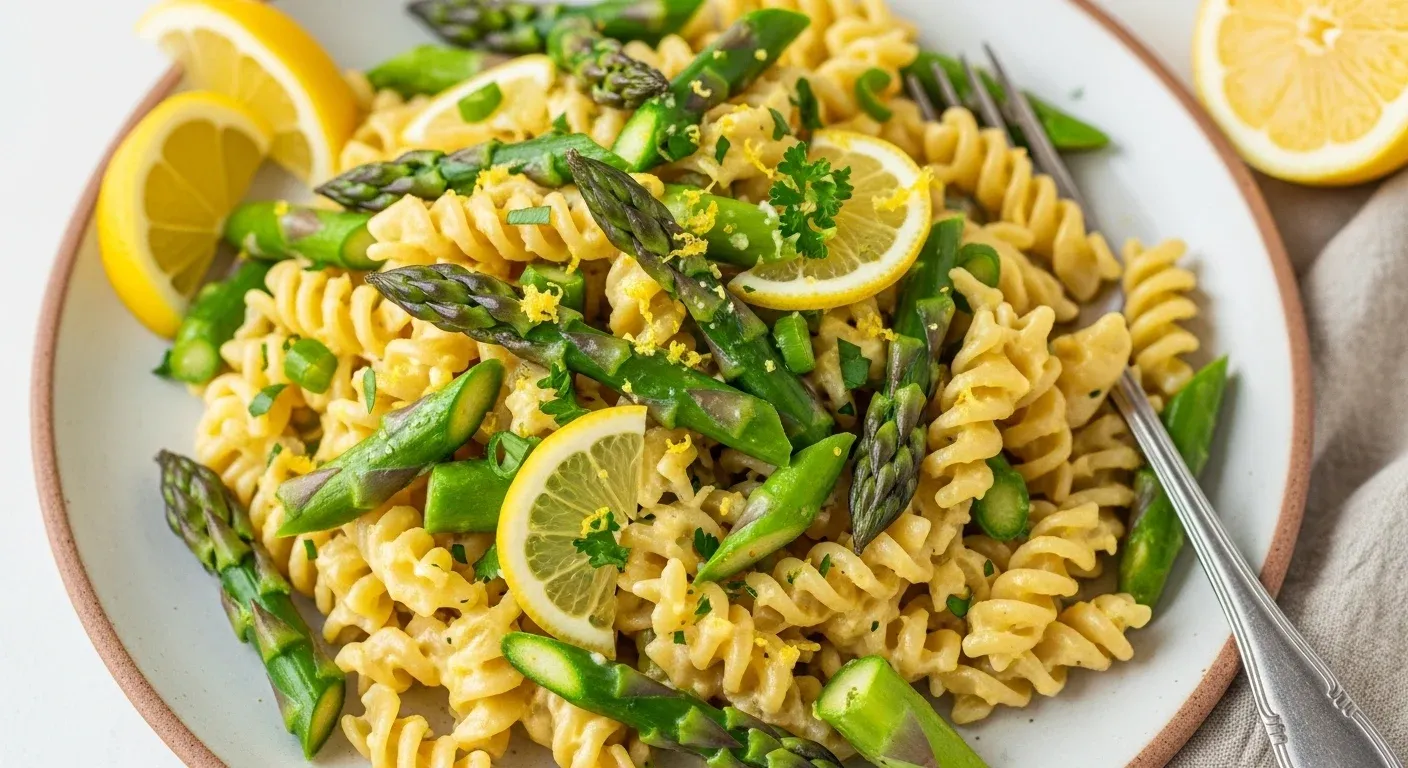
Welcome the spring vibes with this vibrant Asparagus Pasta. It combines snappy green stalks with a silky, lemon-infused sauce that dances on your palate. This dish celebrates plant-based goodness and seasonal freshness in every single bite. You will adore how the textures of the Asparagus Pasta harmonize perfectly together.
Table of Contents
Why You’ll Love This Asparagus Pasta
- Bursting with Freshness: The combination of zesty lemon and tender-crisp greens creates a rejuvenating flavor profile.
- Eco-Friendly & Plant-Based: This recipe utilizes seasonal produce and sustainable pantry staples to minimize your carbon footprint.
- Quick & Elegant: You can whip up this sophisticated Asparagus Pasta in less than twenty minutes, making it perfect for busy weeknights.
- Nutrient-Dense: Packed with vitamins K and A, this meal nourishes your body while delighting your senses.
Ingredients You’ll Need
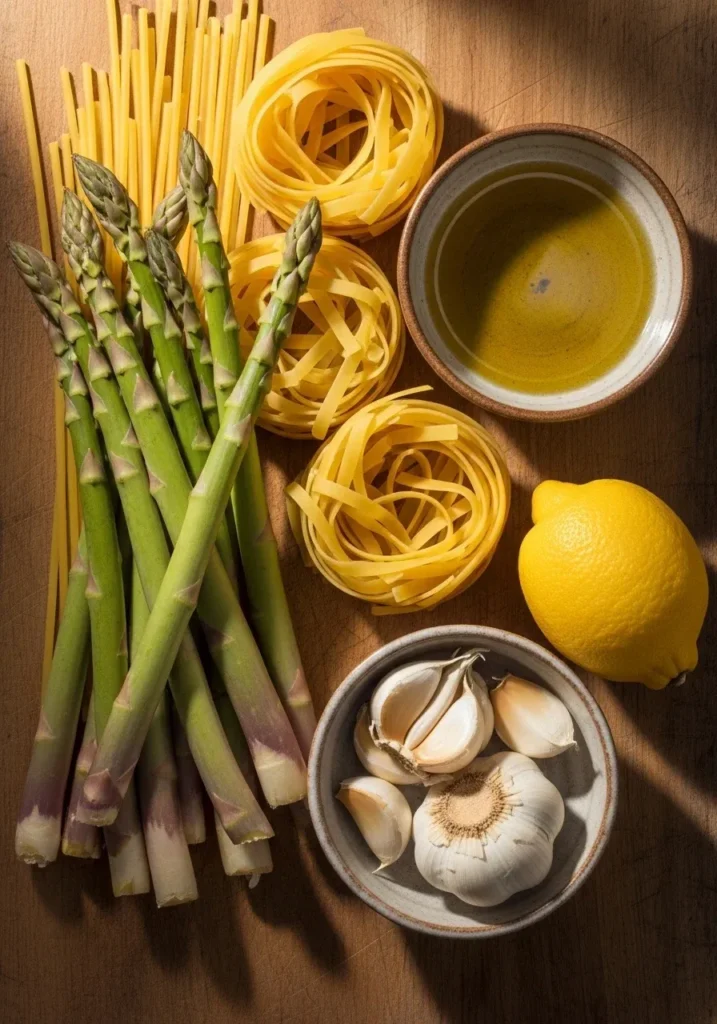
To create a truly spectacular Asparagus Pasta, you must focus on the quality of your primary ingredients. I always recommend visiting your local farmers market to find the tightest, most vibrant green stalks available. Choosing organic lemons ensures your zest remains free from unwanted pesticides, which is essential for that clean, citrusy finish. Here is what you will need for this culinary masterpiece:
| Ingredient | Quantity | Hana’s Eco-Tip |
|---|---|---|
| Asparagus | 1 bunch (approx. 500g) | Keep the woody ends to make a nutritious vegetable broth later! |
| Dried Pasta (Penne or Fusilli) | 400g | Choose bronze-cut pasta for a better sauce-gripping texture. |
| Extra Virgin Olive Oil | 3 tablespoons | Use cold-pressed oil for a richer, more complex flavor profile. |
| Garlic | 3 cloves, minced | Fresh garlic provides a much punchier aroma than the jarred versions. |
| Organic Lemon | 1 (zest and juice) | Always zest the fruit before squeezing the juice to maximize yield. |
| Nutritional Yeast | 2 tablespoons | This adds a wonderful cheesy depth while keeping the dish fully vegan. |
| Fresh Basil | 1 handful | Tear the leaves by hand instead of cutting them to prevent bruising. |
| Red Pepper Flakes | 1/2 teaspoon | Adjust the heat level to suit your personal spicy preference. |
| Toasted Pine Nuts | 2 tablespoons | These provide a delightful crunch and healthy fats to the meal. |
Substitutions & Variations
[ra_display_video url=”https://www.youtube.com/watch?v=b4-vYRraik4″]
You can easily adapt this Asparagus Pasta to fit your dietary needs or pantry availability. If you prefer a gluten-free experience, swap the traditional wheat noodles for a high-quality brown rice or chickpea pasta. For those who enjoy a bit more protein, adding smoked tofu cubes or canned chickpeas works wonderfully.
If pine nuts are too expensive or unavailable, toasted sunflower seeds or walnuts offer a fantastic, eco-conscious alternative that maintains that signature crunch. You might even try adding peas or broad beans to create a “Primavera” style Asparagus Pasta variation that celebrates the full spectrum of spring vegetables.
If you’re looking for a tasty variation, check out our recipe for Peas Asparagus and Bacon. This dish complements your Asparagus Pasta with additional flavors and textures for a satisfying meal.
Equipment You’ll Need
Preparing a professional-grade Asparagus Pasta requires only a few basic kitchen tools. Most of these items are likely already in your cupboards, reflecting the simplicity of sustainable cooking. Having the right gear ensures your vegetables stay crisp and your sauce emulsifies perfectly. Gather these essentials before you begin:
- Large Stock Pot: Essential for boiling the pasta in plenty of well-salted water.
- Colander: For draining the noodles while reserving that precious starchy pasta water.
- Large Skillet or Sauté Pan: This is where the magic happens as you toss the Asparagus Pasta components together.
- Microplane or Zester: Use this to get those fine, aromatic wisps of lemon zest.
- Chef’s Knife: A sharp blade makes trimming the stalks and mincing garlic a breeze.
- Tongs: These are the best tool for tossing the noodles and ensuring every strand receives a coating of sauce.
Step-by-Step Instructions
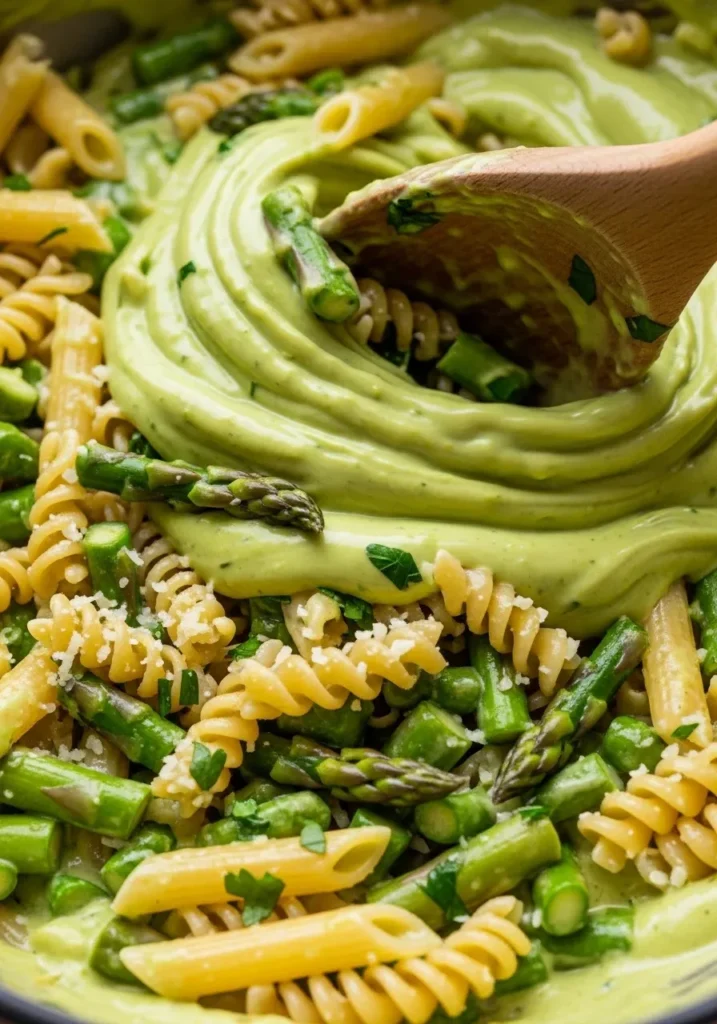
- Prep the Veggies: Start by washing your stalks thoroughly. Snap off the woody ends and set them aside for your broth bag. Cut the remaining tender stalks into two-inch pieces on a diagonal bias. This increases the surface area for the sauce to cling to your Asparagus Pasta.
- Boil the Water: Fill your large pot with water and add a generous palmful of sea salt. Bring it to a rolling boil. Add your chosen pasta shape and cook until it is just shy of al dente. Usually, this means boiling it for two minutes less than the package instructions suggest.
- Sauté the Aromatics: While the water boils, heat the olive oil in your large skillet over medium heat. Add the minced garlic and red pepper flakes. Sauté them for about one minute until the garlic becomes fragrant but does not brown.
- Cook the Asparagus: Toss the prepared pieces into the skillet with the garlic. Sauté them for three to four minutes. You want them to turn a bright, vivid green while remaining slightly snappy. Do not overcook them, as mushy greens will ruin the texture of the Asparagus Pasta.
- Reserve and Drain: Carefully scoop out one cup of the starchy pasta cooking water before draining the noodles. This water is the secret “liquid gold” that creates a creamy sauce without any heavy dairy.
- Emulsify the Sauce: Add the drained noodles directly into the skillet with the vegetables. Pour in half of the reserved pasta water, the lemon juice, lemon zest, and nutritional yeast. Toss everything vigorously over medium-high heat.
- Final Fusion: Continue tossing the Asparagus Pasta until the liquid reduces into a glossy, shimmering glaze that coats every ingredient. If the pan looks dry, add a splash more pasta water.
- Garnish and Serve: Remove the pan from the heat. Fold in the fresh basil leaves and the toasted pine nuts. Give it one final stir and serve your beautiful Asparagus Pasta immediately while it is piping hot.
For a delightful pairing with your Asparagus Pasta, consider preparing Garlic Salmon with Asparagus. This dish enhances the fresh flavors of asparagus while providing a delicious protein option.
Pro Tips for Success
To achieve the ultimate Asparagus Pasta, you must master the art of timing. Many home cooks make the mistake of overcooking the vegetables, but the residual heat from the noodles will continue to soften the stalks. Aim for a “crisp-tender” bite to maintain the structural integrity of the dish.
Another professional secret involves the pasta water. The starch released by the flour acts as a natural thickener. When combined with the olive oil and lemon juice, it creates a luxurious emulsion that mimics the richness of cream.
Always zest your lemon directly over the pan so the volatile oils land straight in your Asparagus Pasta rather than on a cutting board. Finally, don’t be afraid of salt. Salting the pasta water like the sea ensures the noodles are seasoned from the inside out, elevating the entire flavor profile of your Asparagus Pasta.
Storage & Reheating Tips
If you find yourself with leftover Asparagus Pasta, you can store it in an airtight glass container in the refrigerator for up to three days. To maintain the best quality, avoid plastic containers which can retain odors and stains. When you are ready to enjoy it again, avoid the microwave if possible, as it tends to make the noodles rubbery and the greens dull.
Instead, place the Asparagus Pasta in a small skillet over medium-low heat. Add a tiny splash of water or a drizzle of olive oil to loosen the sauce. Cover the pan for a minute to allow the steam to refresh the ingredients.
Stir gently until warmed through. This method preserves the vibrant colors and delicate textures of your Asparagus Pasta far better than any other reheating technique.
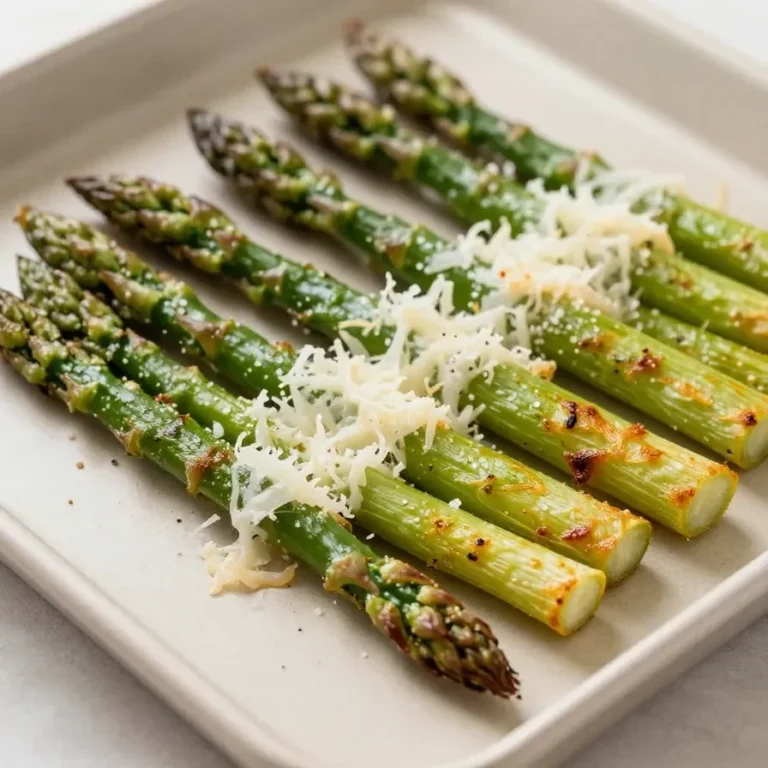
If you’re interested in ensuring nothing goes to waste, check out our Garlic Roasted Asparagus recipe. It’s a great way to use leftover asparagus in a new and flavorful dish.
What to Serve With This Recipe
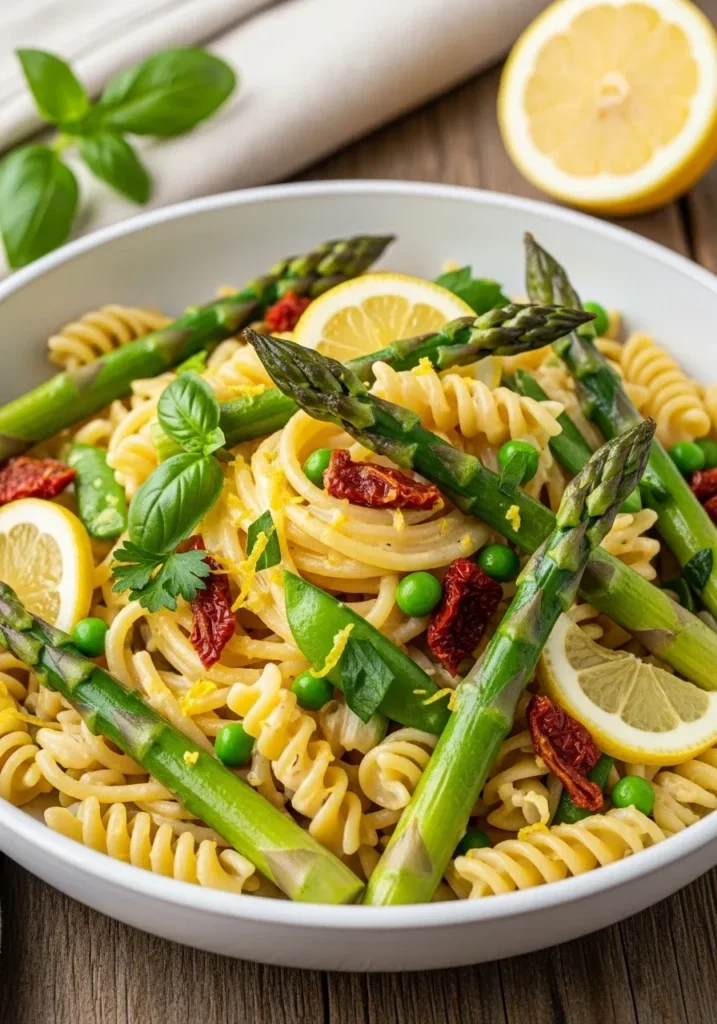
This Asparagus Pasta is quite filling on its own, but pairing it with the right side dishes can turn it into a full Mediterranean feast. I love serving it alongside a crisp arugula salad dressed with a simple balsamic vinaigrette. The peppery notes of the arugula provide a lovely contrast to the lemony brightness of the noodles.
For a bit of extra heartiness, you could roast some cherry tomatoes with balsamic vinegar until they burst, then spoon them over the top. A side of crusty sourdough bread is also a fantastic addition, perfect for mopping up any leftover citrus sauce from your plate. If you want to keep things light and focused on minerals, a side of steamed artichokes or a chilled cucumber salad complements the Asparagus Pasta beautifully without overwhelming the palate.
Frequently Asked Questions (FAQ)
Can I make Asparagus Pasta ahead of time for a party?
While you can prep the ingredients in advance, I recommend assembling the Asparagus Pasta right before serving. The delicate green vegetables lose their vibrant color and snap if they sit in the sauce for too long. However, you can blanch the stalks and mince the garlic hours beforehand to save time during the actual dinner service.
Is it possible to use frozen vegetables for this dish?
You can use frozen stalks in a pinch, but the texture will be significantly softer. If you choose this route, do not thaw them first; add them directly to the hot skillet to prevent them from becoming waterlogged. For the best Asparagus Pasta experience, fresh, seasonal produce is always the superior choice for flavor and crunch.
What is the best pasta shape for this recipe?
Long, thin shapes like linguine or spaghetti work well for a more elegant presentation. However, I personally love short shapes like fusilli or penne for Asparagus Pasta. These shapes have “nooks and crannies” that catch the lemon zest and garlic bits, ensuring that every forkful provides a balanced explosion of flavor and texture.
Asparagus pasta is a delightful dish that showcases the unique flavors of fresh asparagus combined with various pasta types. It’s a wonderful way to incorporate seasonal produce into your meals, and you can learn more about the benefits of asparagus in the kitchen through this informative article.
Final Thoughts
Cooking this Asparagus Pasta fills my kitchen with the uplifting scents of lemon and fresh herbs. It reminds me that simple, plant-based ingredients can create the most sophisticated and joyful meals. I hope this colorful dish brings a bright spark of creativity to your dinner table tonight!
Nutrition Information (per serving)
This nutritional profile reflects a standard serving of our plant-based Asparagus Pasta, focusing on whole ingredients and healthy fats.
| Nutrient | Amount |
|---|---|
| Calories | 420 kcal |
| Total Fat | 14g |
| Saturated Fat | 2g |
| Carbohydrates | 62g |
| Fiber | 8g |
| Protein | 12g |
| Vitamin C | 35% DV |
Asparagus Pasta
Welcome the spring vibes with this vibrant Asparagus Pasta. It combines snappy green stalks with a silky, lemon-infused sauce that dances on your palate. This dish celebrates plant-based goodness and seasonal freshness in every single bite.
Ingredients
Method
- Prep the Veggies: Start by washing your stalks thoroughly. Snap off the woody ends and set them aside for your broth bag. Cut the remaining tender stalks into two-inch pieces on a diagonal bias.
- Boil the Water: Fill your large pot with water and add a generous palmful of sea salt. Bring it to a rolling boil. Add your chosen pasta shape and cook until it is just shy of al dente.
- Sauté the Aromatics: While the water boils, heat the olive oil in your large skillet over medium heat. Add the minced garlic and red pepper flakes. Sauté for about one minute.
- Cook the Asparagus: Toss the prepared pieces into the skillet with the garlic. Sauté for three to four minutes, turning them bright green while remaining slightly snappy.
- Reserve and Drain: Scoop out one cup of starchy pasta cooking water before draining the noodles.
- Emulsify the Sauce: Add the drained noodles directly into the skillet with the vegetables. Pour in half of the reserved pasta water, the lemon juice, lemon zest, and nutritional yeast. Toss everything vigorously.
- Final Fusion: Continue tossing the Asparagus Pasta until the liquid reduces into a glossy glaze. If the pan looks dry, add a splash more pasta water.
- Garnish and Serve: Remove the pan from heat, fold in the fresh basil leaves and the toasted pine nuts, and serve immediately.
Notes
To achieve the ultimate Asparagus Pasta, avoid overcooking the vegetables. The residual heat from the noodles will continue to soften the stalks. Also, remember that salting the pasta water is essential.