The Best Fluffy Pancakes recipe you will fall in love with. Full of tips and tricks to help you make the best pancakes.

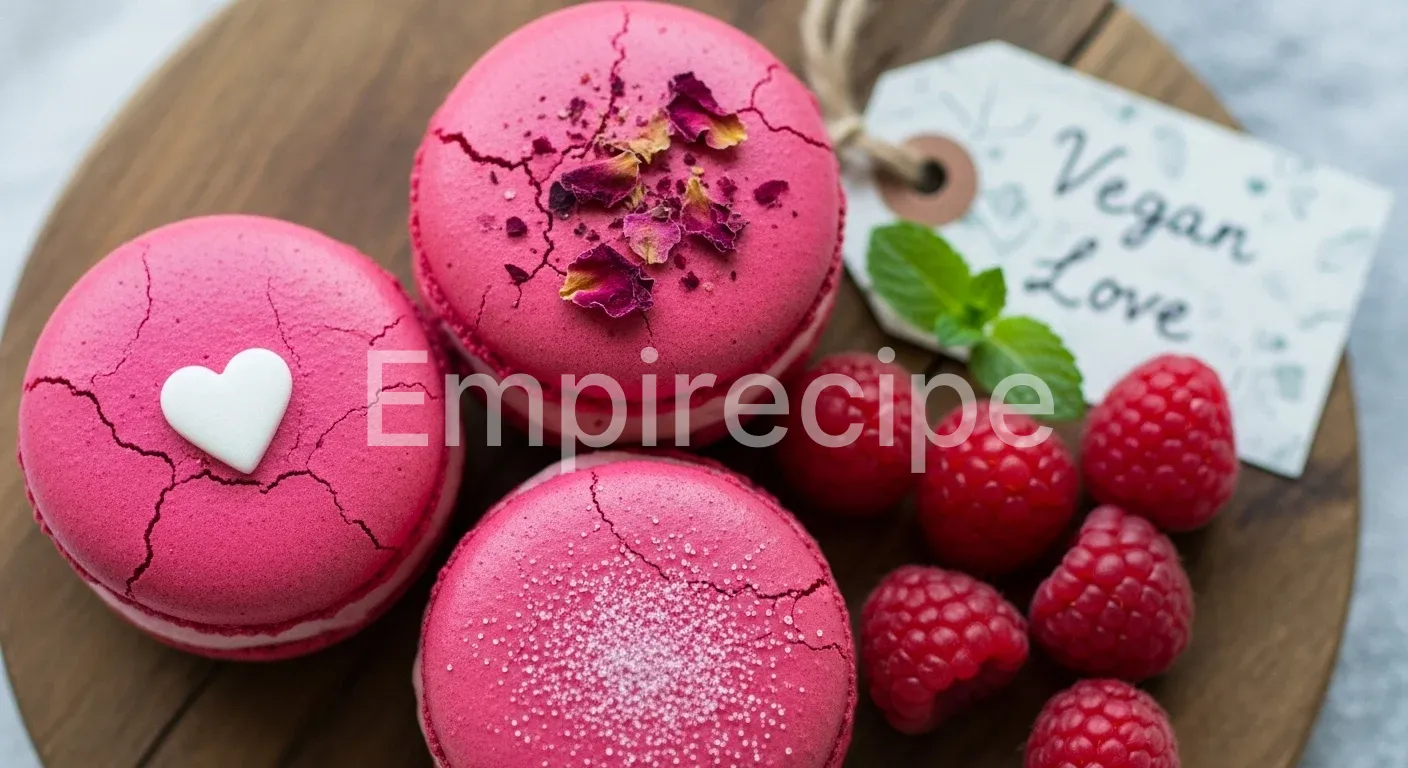
Love is in the air, and my kitchen smells like heaven! These Valentine’s Day Macarons offer a delicate crunch followed by a melting raspberry center. We are using plant-based magic to create these vibrant pink gems today.
Forget heavy cream; we focus on lightness and ethical ingredients. This recipe for Valentine’s Day Macarons will steal your heart. Enjoy every single bite of this vegan treat!
Table of Contents
Why You’ll Love These Valentine’s Day Macarons
- Ethical & Plant-based: Uses aquafaba for a zéro-déchet approach.
- Naturally Colored: Vibrant pink hues from organic beet powder.
- Perfect Texture: The ultimate crispy-yet-chewy bite.
- Healthier Twist: Lower in saturated fats than traditional versions.
Ingredients You’ll Need
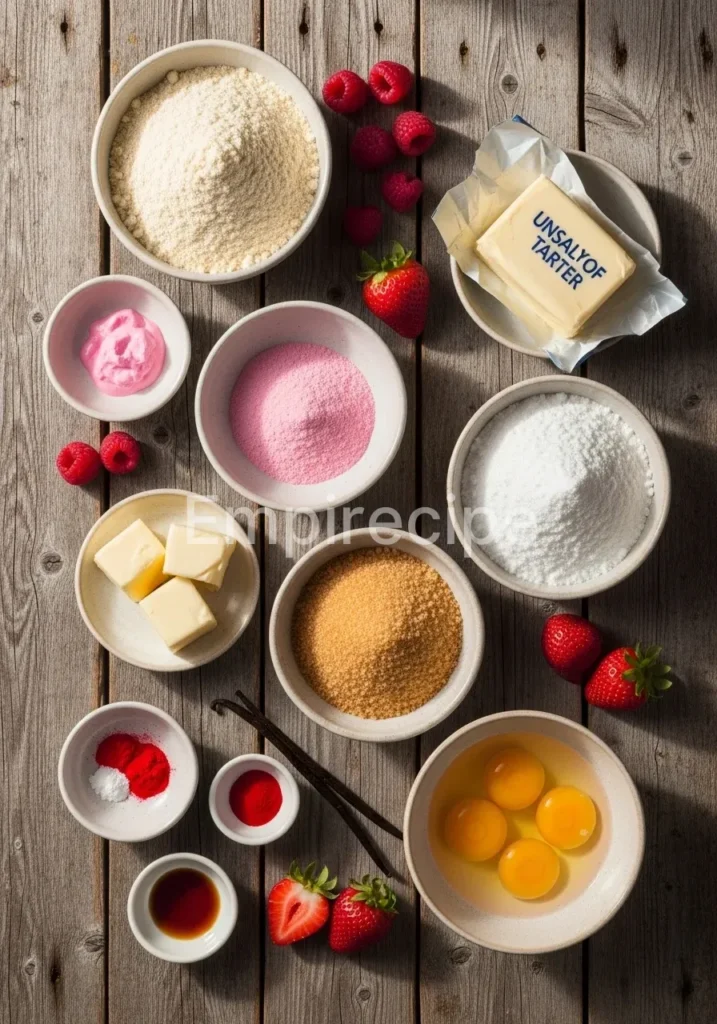
Success with Valentine’s Day Macarons starts with the quality of your ingredients. As someone who values eco-friendly choices, I always recommend sourcing organic almond flour and fair-trade sugars to ensure your Valentine’s Day Macarons are as kind to the planet as they are to your taste buds.
- 150g Extra-Fine Almond Flour: Sifted twice for a smooth finish.
- 150g Organic Icing Sugar: Essential for the structure of the shells.
- 100ml Aquafaba: Reduced and chilled (the liquid from a can of organic chickpeas).
- 1/4 tsp Cream of Tartar: This stabilizes our plant-based meringue perfectly.
- 110g Organic Granulated Sugar: To sweeten the meringue base.
- 1 tbsp Organic Beetroot Powder: For that signature Valentine’s Day Macarons pink glow.
- 1/2 cup Raspberry Jam: Use a high-fruit content, low-sugar variety.
- 100g Vegan White Chocolate: For the creamy ganache filling.
- 50ml Coconut Cream: To melt with the chocolate for a rich texture.
Substitutions & Variations
Note: This video is for demonstration purposes and may use a slightly different method.
If you want to customize your Valentine’s Day Macarons, you can swap the raspberry filling for a zesty lemon curd made with agar-agar. For a nut-free version, some bakers use finely ground sunflower seeds, though the texture of the Valentine’s Day Macarons will be heartier.
You can also replace the beetroot powder with pitaya powder for an even more neon pink aesthetic. If you prefer a less sweet profile, a dark chocolate ganache with 70% cacao works beautifully against the sugary shells.
If you’re interested in further customizing your treats, consider trying out a delightful Valentine’s Day Roll Cake that pairs perfectly with your macarons.
Equipment You’ll Need
Precision is the secret ingredient for Valentine’s Day Macarons. You will need a digital kitchen scale, as volume measurements are too imprecise for this delicate pastry. A fine-mesh sifter is mandatory to remove any large almond bits.
I recommend using a high-speed stand mixer or a powerful hand mixer to whip the aquafaba into stiff peaks. Finally, a silicone baking mat with macaron templates or high-quality parchment paper will ensure your Valentine’s Day Macarons don’t stick to the tray.
Step-by-Step Instructions
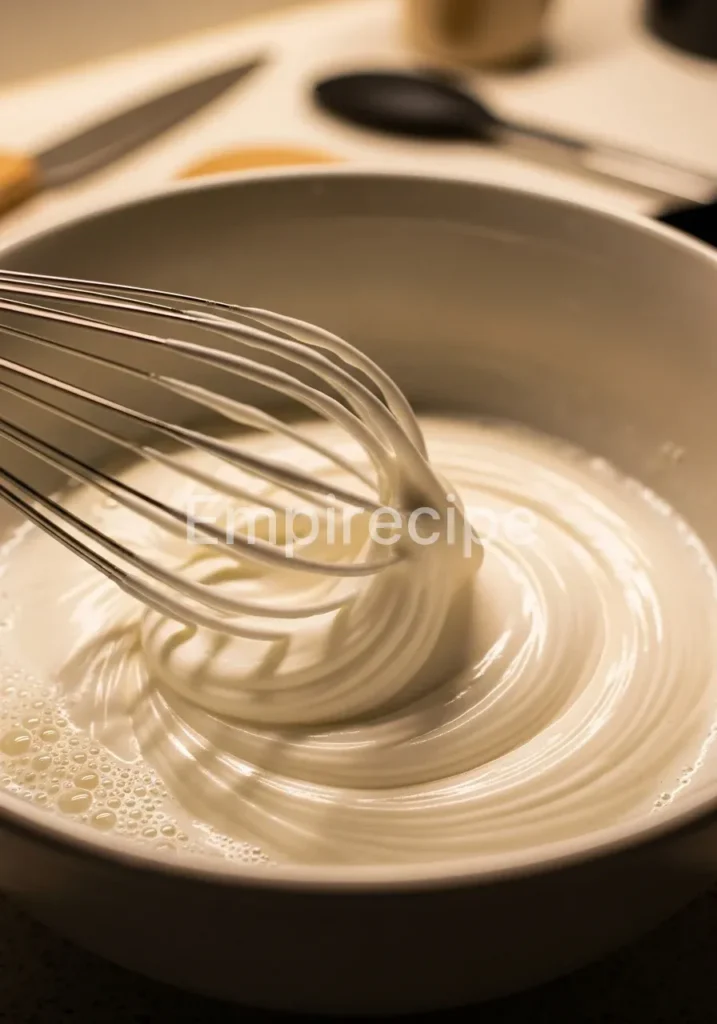
- Prepare the Aquafaba: Start by reducing your chickpea liquid. Simmer 200ml of aquafaba in a small saucepan until it reduces to exactly 100ml. This concentrates the proteins, ensuring your Valentine’s Day Macarons have structural integrity. Chill it completely before use.
- Sift the Dry Mix: Combine your extra-fine almond flour and icing sugar. Sift them together at least twice. Discard any large almond pieces that won’t pass through the mesh. This ensures the shells of your Valentine’s Day Macarons are perfectly smooth and professional-looking.
- Whip the Meringue: Pour the chilled, reduced aquafaba into a clean glass bowl. Add the cream of tartar. Beat on medium speed until soft peaks form. Gradually add the granulated sugar, one tablespoon at a time, while increasing the speed to high. Continue whisking until the mixture is glossy and forms stiff, upright peaks. This is the foundation of your Valentine’s Day Macarons.
- The Macaronage Phase: Gently fold the dry ingredients and the beetroot powder into the meringue using a silicone spatula. Use a “cut and fold” motion. You are looking for the “lava” consistency. The batter should flow off the spatula in a continuous ribbon that disappears back into the bowl after about 20 seconds. Over-mixing will result in flat Valentine’s Day Macarons, while under-mixing will cause them to crack.
- Piping the Shells: Transfer the batter to a piping bag fitted with a medium round tip. Pipe 1.5-inch circles onto your prepared baking mats. Hold the bag vertically for even circles. Once piped, firmly tap the tray against the counter five times to release trapped air bubbles. This prevents your Valentine’s Day Macarons from exploding in the oven.
- The Resting Period: Let the shells sit at room temperature for 45 to 60 minutes. You must wait until a “skin” forms on the surface. When you can touch the top of a shell without it sticking to your finger, your Valentine’s Day Macarons are ready for the heat.
- Baking to Perfection: Preheat your oven to 285°F (140°C). Bake the Valentine’s Day Macarons for 18-20 minutes. Do not open the oven door during the first 15 minutes! The shells are done when they feel firm on their “feet” and don’t wobble when touched.
- Creating the Filling: Melt the vegan white chocolate with the coconut cream in a double boiler. Stir in a teaspoon of raspberry extract if desired. Let it cool until it reaches a spreadable, thickened consistency.
- Final Assembly: Once the shells are completely cold, pair them up by size. Pipe a ring of white chocolate ganache around the edge of one shell and place a small dollop of raspberry jam in the center. Gently press the second shell on top to create your completed Valentine’s Day Macarons.
After mastering the macaron technique, you might want to explore another delightful dessert by making Valentine’s Day Mini Cakes that are sure to impress!
Pro Tips for Success
Temperature and humidity are the enemies of Valentine’s Day Macarons. Avoid baking on a rainy day, as excess moisture in the air can prevent the shells from drying properly. Always use an oven thermometer to verify your oven’s actual temperature, as built-in dials are often inaccurate.
Another vital tip for Valentine’s Day Macarons is to “age” your filled cookies. Place them in the fridge for 24 hours before eating; this allows the filling to moisture-mature the shells, creating that iconic melt-in-the-mouth texture.
Storage & Reheating Tips
Your Valentine’s Day Macarons will stay fresh in an airtight container in the refrigerator for up to 5 days. If you want to prepare them well in advance, these Valentine’s Day Macarons freeze beautifully. Place them in a single layer in a freezer-safe container for up to one month.
To serve, simply move them to the fridge for 2 hours and then to the counter for 20 minutes. Never reheat Valentine’s Day Macarons, as the high sugar content will melt and the delicate structure will collapse.
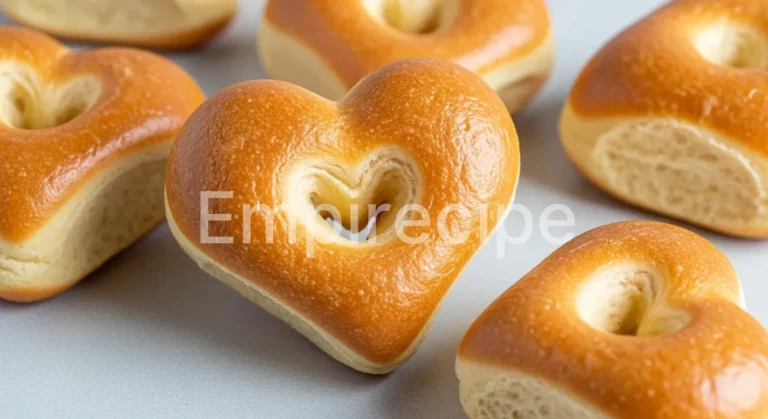
To give your Valentine’s Day a fun twist, consider serving your macarons alongside a heart-shaped pizza, perfect for celebrating love in all its forms.
What to Serve With This Recipe
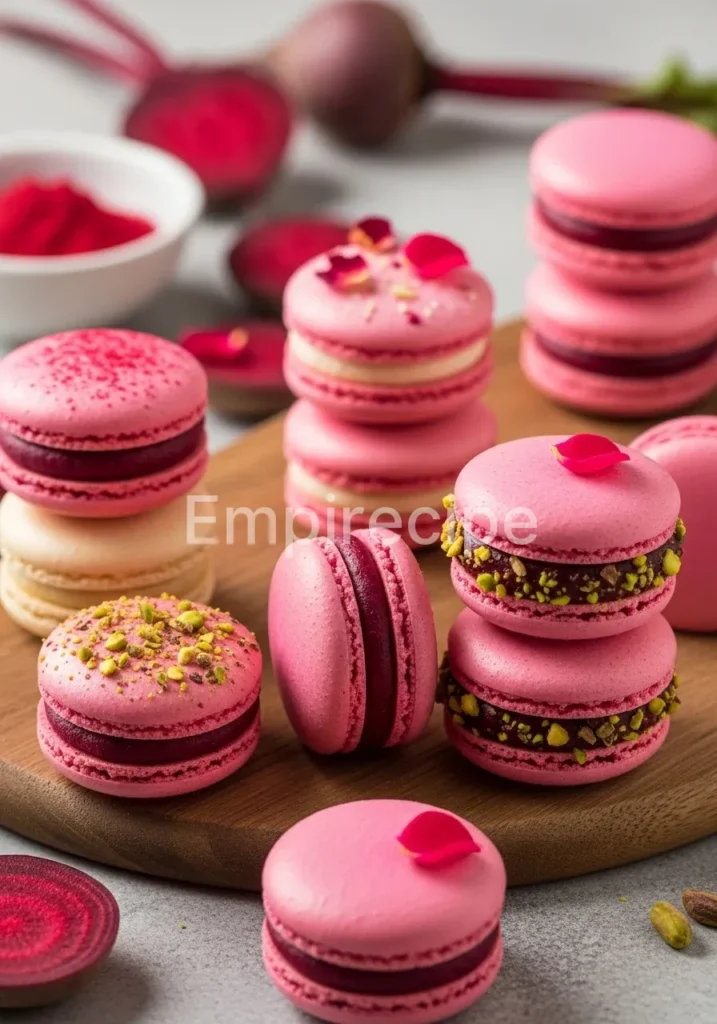
To balance the sweetness of Valentine’s Day Macarons, I love pairing them with a tart hibiscus herbal tea or a refreshing citrus-infused sparkling water. If you are serving these as part of a romantic brunch, they pair wonderfully with a light baby spinach salad topped with strawberries and balsamic glaze. For a dessert platter, surround your Valentine’s Day Macarons with roasted pistachios and fresh raspberries to highlight the fusion of earthy and fruity flavors.
Frequently Asked Questions (FAQ)
Why did my Valentine’s Day Macarons turn out hollow?
Hollow shells usually happen because the meringue was over-whipped or the oven temperature was too high. When the meringue has too much air, it rises too quickly and then collapses inside during the cooling process. Ensuring a stable, stiff-peak meringue with reduced aquafaba is the best way to prevent hollow Valentine’s Day Macarons.
Can I use liquid food coloring for Valentine’s Day Macarons?
I strongly advise against liquid food coloring for Valentine’s Day Macarons. The extra liquid can ruin the delicate chemistry of the batter. Stick to powders or gels. My favorite eco-friendly choice is beetroot powder or freeze-dried raspberry powder, which adds both vibrant color and a hint of natural flavor to your shells.
How do I know when my Valentine’s Day Macarons are fully dried?
The drying time for Valentine’s Day Macarons can vary from 30 minutes to 2 hours depending on your local humidity. You know they are ready when the surface looks matte rather than shiny. When you gently run your finger over the top, the batter should feel dry and not tacky at all. This “skin” is what forces the air downward to create the famous “feet” of the macaron.
Valentine’s Day Macarons are a beloved treat that combines tradition with creativity, often featuring vibrant colors and sumptuous fillings. These cookies are not only a symbol of affection but also a canvas for bakers to express their creativity, making them perfect for the occasion. Learn more about these delightful treats through this macaron link.
Final Thoughts
Making these Valentine’s Day Macarons is a true labor of love and a gift to our planet. Every bite celebrates flavor, ethics, and your baking skills. Share these pink treats with someone special and watch their eyes light up with joy. Happy baking, and spread the plant-based love this season!
Nutrition Information (per serving)
This table provides a summary of the macronutrients for one of our plant-based Valentine’s Day Macarons.
| Nutrient | Amount |
|---|---|
| Calories | 95 kcal |
| Total Fat | 4.5g |
| Saturated Fat | 1.2g |
| Carbohydrates | 13g |
| Fiber | 1.1g |
| Sugars | 11g |
| Protein | 1.8g |
Valentine’s Day Macarons
These Valentine’s Day Macarons offer a delicate crunch followed by a melting raspberry center. They are vegan, made with aquafaba and colored naturally with beetroot powder.
Ingredients
Method
- Prepare the aquafaba by simmering 200ml until it reduces to 100ml, then chill.
- Sift the almond flour and icing sugar together at least twice.
- Whip the chilled aquafaba and cream of tartar into soft peaks, then gradually add the granulated sugar until glossy and stiff.
- Fold the dry ingredients and beetroot powder into the meringue until it reaches ‘lava’ consistency.
- Pipe 1.5-inch circles onto baking mats, tap to release air bubbles.
- Let the shells rest at room temperature for 45 to 60 minutes until a skin forms.
- Preheat the oven to 285°F (140°C) and bake for 18-20 minutes.
- Melt the vegan white chocolate with coconut cream and mix until thickened.
- Once shells are cool, assemble by pairing and filling with ganache and raspberry jam.
Notes
Avoid baking on humid days to prevent shells from drying. Store in an airtight container for up to 5 days or freeze for a month.