The Best Fluffy Pancakes recipe you will fall in love with. Full of tips and tricks to help you make the best pancakes.

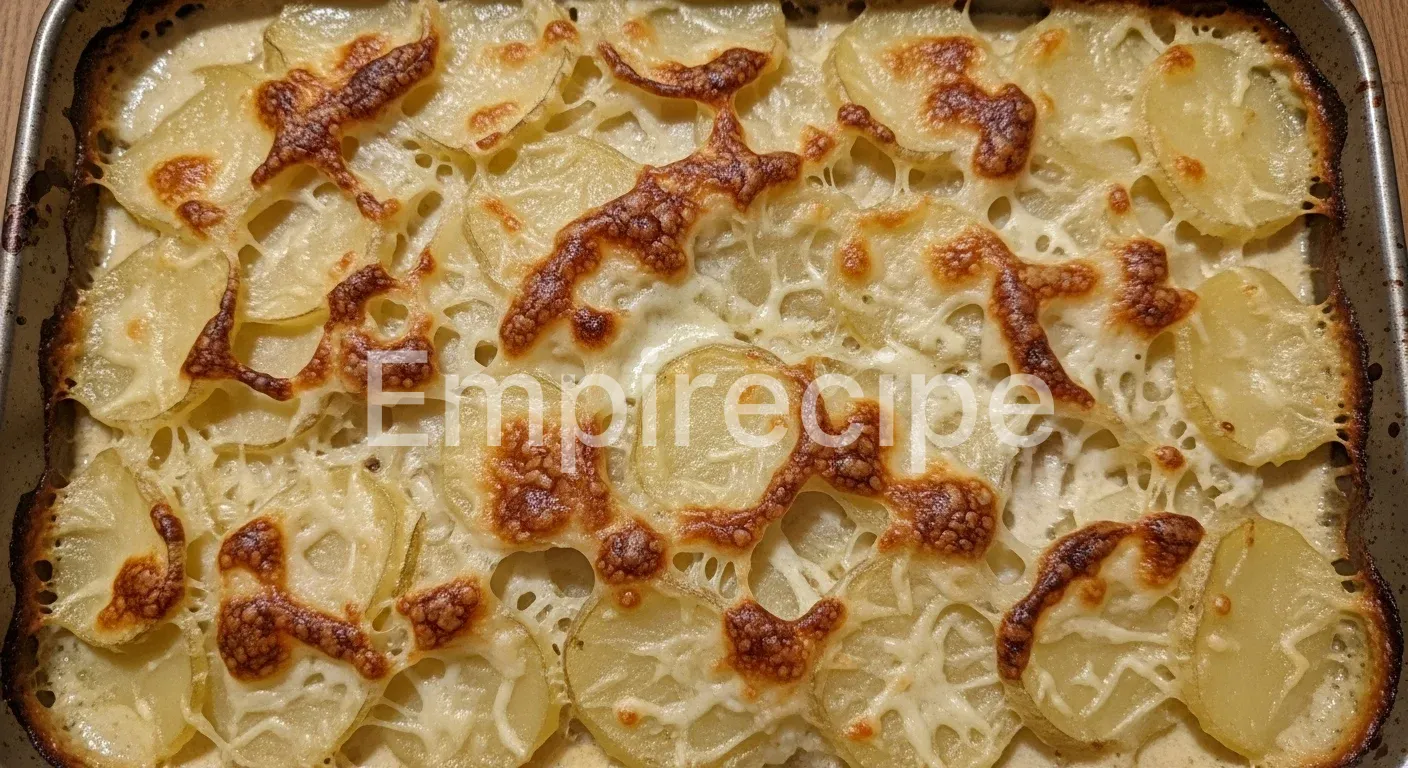
Imagine golden-brown edges meeting a creamy, velvety center that melts in your mouth. This classic comfort dish brings warmth to any dinner table with its delicate layers and savory aroma. My plant-forward version of Scalloped Potatoes delivers pure indulgence without the heavy footprint.
Table of Contents
Why You’ll Love This Scalloped Potatoes Recipe
- Unbeatable Texture: Experience the contrast between crispy tops and tender, buttery layers.
- Plant-Powered Goodness: A modern, sustainable twist on a timeless vintage classic.
- Crowd-Pleaser: This dish effortlessly complements any holiday spread or cozy Sunday dinner.
Ingredients You’ll Need
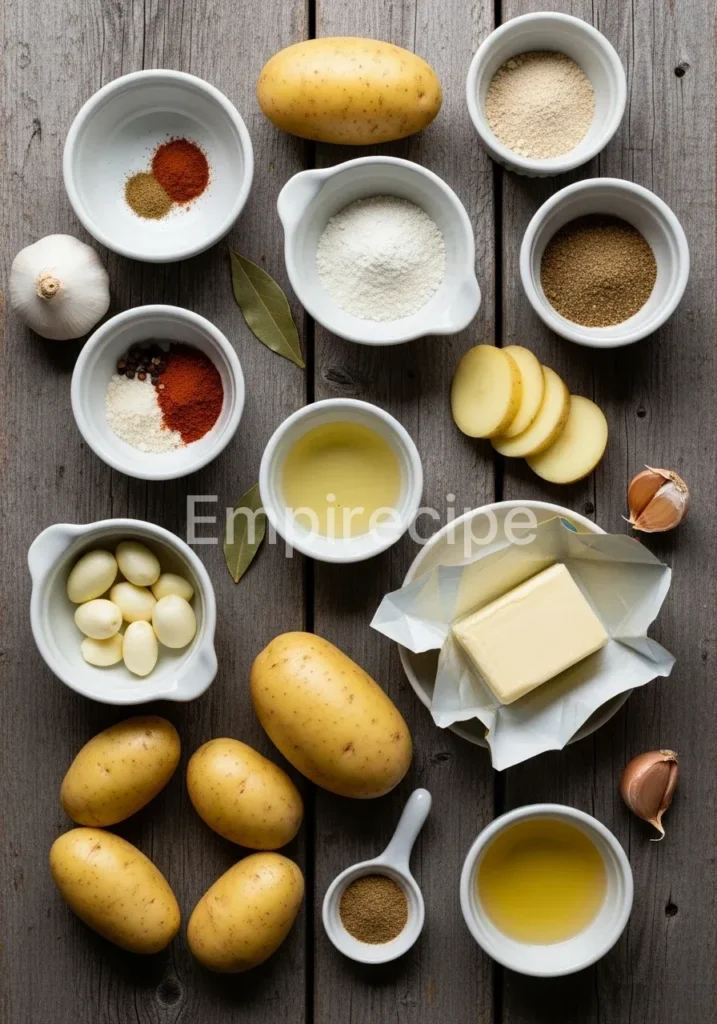
To create the most flavorful Scalloped Potatoes, quality and freshness lead the way. I always recommend sourcing organic produce to ensure the best taste and a smaller environmental impact. For this recipe, the starchiness of the potato plays a crucial role in thickening our luscious sauce naturally.
- Potatoes: 3 pounds of Yukon Gold or Russet potatoes, sliced into thin rounds.
- Aromatic Base: 1 large yellow onion and 4 cloves of fresh garlic.
- Plant-Based Butter: 1/4 cup for a rich, silky roux.
- All-Purpose Flour: 1/4 cup to provide structure to the cream sauce.
- Vegetable Broth: 1.5 cups of low-sodium, high-quality stock.
- Oat or Cashew Milk: 1.5 cups of unsweetened creamy plant milk.
- Fresh Herbs: 2 tablespoons of chopped thyme and rosemary.
- Nutritional Yeast: 2 tablespoons for a subtle, nutty depth.
- Seasoning: Sea salt and freshly cracked black pepper to taste.
- Nutmeg: A tiny pinch to elevate the creamy notes.
Substitutions & Variations
Note: This video is for demonstration purposes and may use a slightly different method.
You can easily customize these Scalloped Potatoes to suit your pantry. Swap flour for cornstarch if you need a gluten-free option. If you prefer a bolder profile, try adding smoked paprika or a dash of truffle oil for an earthy luxury. For an extra pop of color, mix in some thinly sliced sweet potatoes or carrots among the layers.
To learn more about the different types of potatoes that can elevate your dishes, check out Everything You Need to Know About Yukon Gold Potatoes for a deep dive into this classic ingredient.
Equipment You’ll Need
Preparing this dish requires basic kitchen tools that most home cooks already own. Having everything ready before you start ensures a smooth and joyful cooking process. I love using my trusty mandoline for those perfectly even slices, but a sharp chef’s knife works just as well if you take your time.
- A 9×13 inch ceramic or glass baking dish.
- A mandoline slicer or a very sharp chef’s knife.
- A medium saucepan for the sauce.
- A whisk to ensure a smooth, lump-free roux.
- A large mixing bowl.
- Aluminum foil or a silicone baking lid.
Step-by-Step Instructions
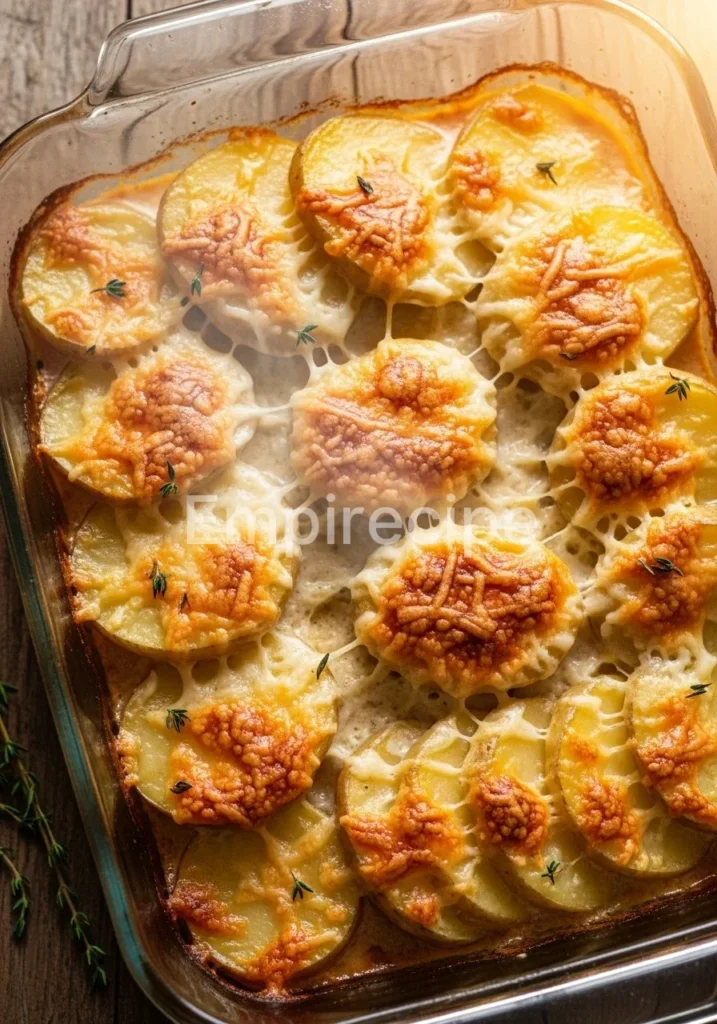
- Prepare the Oven and Dish: Preheat your oven to 375°F (190°C). Lightly grease your baking dish with a bit of plant-based butter or olive oil.
- Slice the Potatoes: Wash your potatoes thoroughly. Leave the skins on for extra nutrients and zero-waste benefits. Slice them into 1/8-inch thick rounds. If you use a mandoline, please use the hand guard for safety!
- Sauté the Aromatics: In a medium saucepan, melt the plant-based butter over medium heat. Add the finely diced onion and cook until translucent. Stir in the minced garlic and cook for another minute until fragrant.
- Create the Roux: Whisk in the flour and cook for 2 minutes. This step removes the raw flour taste. Gradually pour in the vegetable broth and plant milk while whisking constantly.
- Simmer the Sauce: Continue whisking until the sauce thickens and bubbles slightly. Stir in the nutritional yeast, fresh herbs, salt, pepper, and a pinch of nutmeg. This sauce will make your Scalloped Potatoes incredibly rich.
- Layer the Dish: Arrange half of the potato slices in the prepared baking dish. Pour half of the creamy sauce over them. Repeat with the remaining potatoes and the rest of the sauce. Press down gently to ensure the liquid reaches every layer.
- Bake Covered: Cover the dish tightly with foil. Bake for 45 minutes. This allows the potatoes to steam and soften perfectly.
- Bake Uncovered: Remove the foil and bake for another 20 to 30 minutes. You want the top to become golden brown and the sauce to be bubbly.
- Rest and Serve: Let the dish sit for 10 minutes before serving. This rest period allows the sauce to set, making it easier to serve clean slices.
When preparing your scalloped potatoes, don’t forget to pair them with an enjoyable side that complements your meal. For a fun and sweet snack, try making the Sweet Topping Popcorn Mix for a delightful contrast.
Pro Tips for Success
Success with Scalloped Potatoes lies in the details. First, consistency in slice thickness is paramount. If some slices are thicker than others, they will remain firm while the rest turn to mush. If you do not have a mandoline, focus on slow, steady cuts to achieve uniformity.
Don’t be afraid to season generously. Potatoes absorb a lot of salt, so taste your sauce before pouring it over the vegetables. I often add a little extra black pepper than I think I need to balance the creaminess. Another trick is to use Yukon Gold potatoes; their naturally buttery texture creates a much more decadent result compared to starchier varieties.
To keep this recipe eco-friendly, I always save my potato scraps and onion ends for a homemade veggie stock later in the week. If your sauce feels too thick during the simmering stage, simply add a splash more broth. The starch from the potatoes will further thicken the dish as it bakes in the oven, creating that signature Scalloped Potatoes consistency.
Storage & Reheating Tips
Leftover Scalloped Potatoes often taste even better the next day as the flavors have more time to meld together. Store any remaining portions in an airtight container in the refrigerator for up to 4 days. I do not recommend freezing this dish, as the texture of the potatoes can become grainy once thawed.
To reheat, place a portion in an oven-safe dish and cover it with foil. Warm it at 350°F until heated through. This method preserves the creamy texture better than a microwave. If the dish looks a little dry, add a tiny splash of plant milk before reheating to revive the sauce’s silkiness.
If you’re looking for more delicious ways to use up leftovers, you might enjoy exploring other comforting dishes. One such recipe is Creamy Philly Cheesesteak Pasta, which makes for a hearty and satisfying meal.
What to Serve With This Recipe
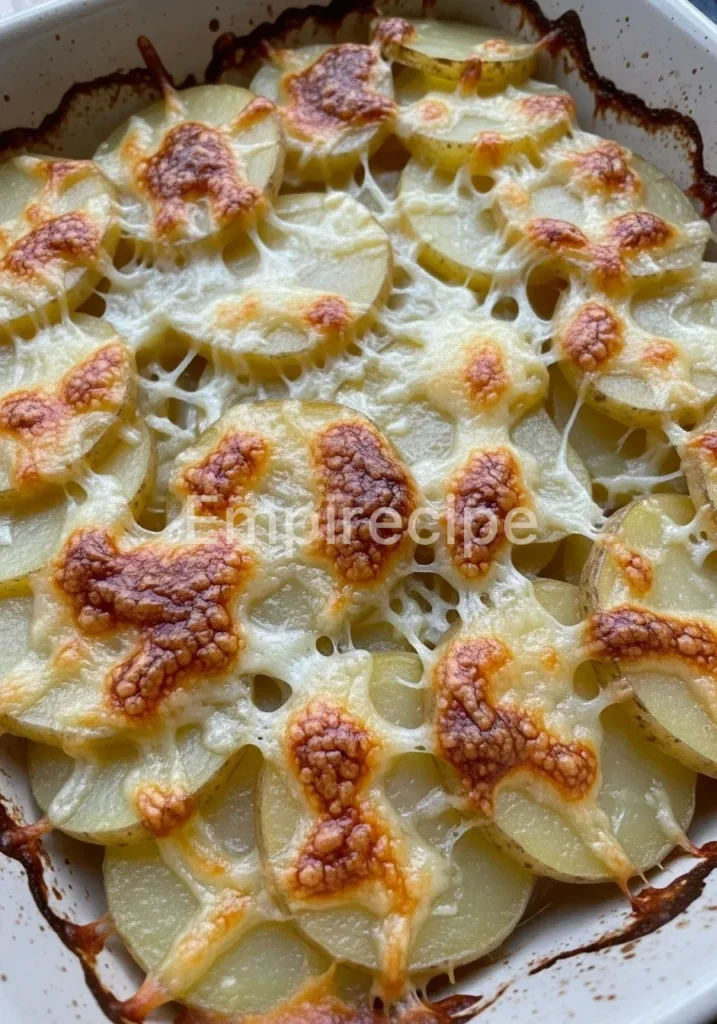
These Scalloped Potatoes act as a versatile centerpiece or side dish. Because they are quite rich, I love pairing them with something bright and acidic to balance the palate. A crisp green salad with a lemon-tahini dressing works wonders. Alternatively, serve them alongside roasted seasonal vegetables like asparagus, Brussels sprouts, or glazed carrots.
If you are looking for a complete meal, a protein-rich lentil loaf or grilled tempeh provides a wonderful textural contrast. The earthy flavors of the herbs in the potatoes complement grilled mushrooms or a hearty kale salad beautifully. Always garnish with a handful of fresh parsley or chives right before serving to add a pop of vibrant color to your plate.
Frequently Asked Questions (FAQ)
What is the difference between Scalloped Potatoes and Au Gratin?
While people often use the terms interchangeably, the main difference lies in the cheese. Traditionally, Scalloped Potatoes are cooked in a simple cream or béchamel sauce with herbs. Au Gratin potatoes almost always include layers of cheese and a breadcrumb topping for a crunchy crust. My recipe focuses on the creamy, herbal sauce for a lighter yet deeply satisfying feel.
Why are my potatoes still hard after baking?
There are usually two culprits: the slices were too thick or the oven temperature was inconsistent. Ensure you slice your potatoes very thinly. If they are still firm, simply cover the dish with foil and return it to the oven for another 15 minutes. The steam trapped under the foil is the best tool for softening stubborn potato layers.
Can I prepare this dish in advance?
Absolutely! You can assemble the entire dish of Scalloped Potatoes a day ahead. Cover it tightly and store it in the fridge.
When you are ready to bake, let the dish sit at room temperature for 30 minutes before putting it in the oven. You might need to add an extra 10 minutes to the total baking time since the ingredients will start cold.
Scalloped potatoes, also known as potato gratin, is a classic dish originating from French cuisine that involves layering thinly sliced potatoes with cream and cheese. This traditional preparation allows the flavors to meld together beautifully, creating a rich and comforting side dish that is loved by many.
Final Thoughts
Bringing this dish to your table means sharing love through layers of comfort. These Scalloped Potatoes prove that plant-based cooking shines with texture and depth. I hope every bite sparks joy and sustainable inspiration in your kitchen. Happy cooking and enjoy the magic!
Nutrition Information (per serving)
This nutritional summary provides an estimate based on standard plant-based ingredients. Enjoy these Scalloped Potatoes as part of a balanced and colorful diet.
| Nutrient | Amount |
|---|---|
| Calories | 245 kcal |
| Total Fat | 8g |
| Saturated Fat | 3g |
| Carbohydrates | 38g |
| Fiber | 5g |
| Protein | 6g |
| Sodium | 320mg |
Scalloped Potatoes
This classic comfort dish brings warmth to any dinner table with its delicate layers and savory aroma. A plant-forward version of Scalloped Potatoes delivers pure indulgence without the heavy footprint.
Ingredients
Method
- Preheat your oven to 375°F (190°C). Lightly grease your baking dish with plant-based butter or olive oil.
- Wash and slice the potatoes into 1/8-inch thick rounds.
- In a medium saucepan, melt the plant-based butter over medium heat. Add the diced onion and cook until translucent. Stir in the minced garlic and cook for another minute.
- Whisk in the flour and cook for 2 minutes. Gradually pour in the vegetable broth and plant milk while whisking constantly until the sauce thickens.
- Stir in the nutritional yeast, fresh herbs, salt, pepper, and a pinch of nutmeg.
- Layer half of the potato slices in the baking dish and pour half of the sauce over them. Repeat with the remaining potatoes and sauce.
- Cover the dish tightly with foil and bake for 45 minutes. Remove the foil and bake for another 20 to 30 minutes until the top is golden brown and bubbly.
- Let the dish sit for 10 minutes before serving.
Notes
Use Yukon Gold potatoes for a more decadent result. Save scraps for vegetable stock. Ensure potatoes are sliced uniformly for even cooking.