The Best Fluffy Pancakes recipe you will fall in love with. Full of tips and tricks to help you make the best pancakes.

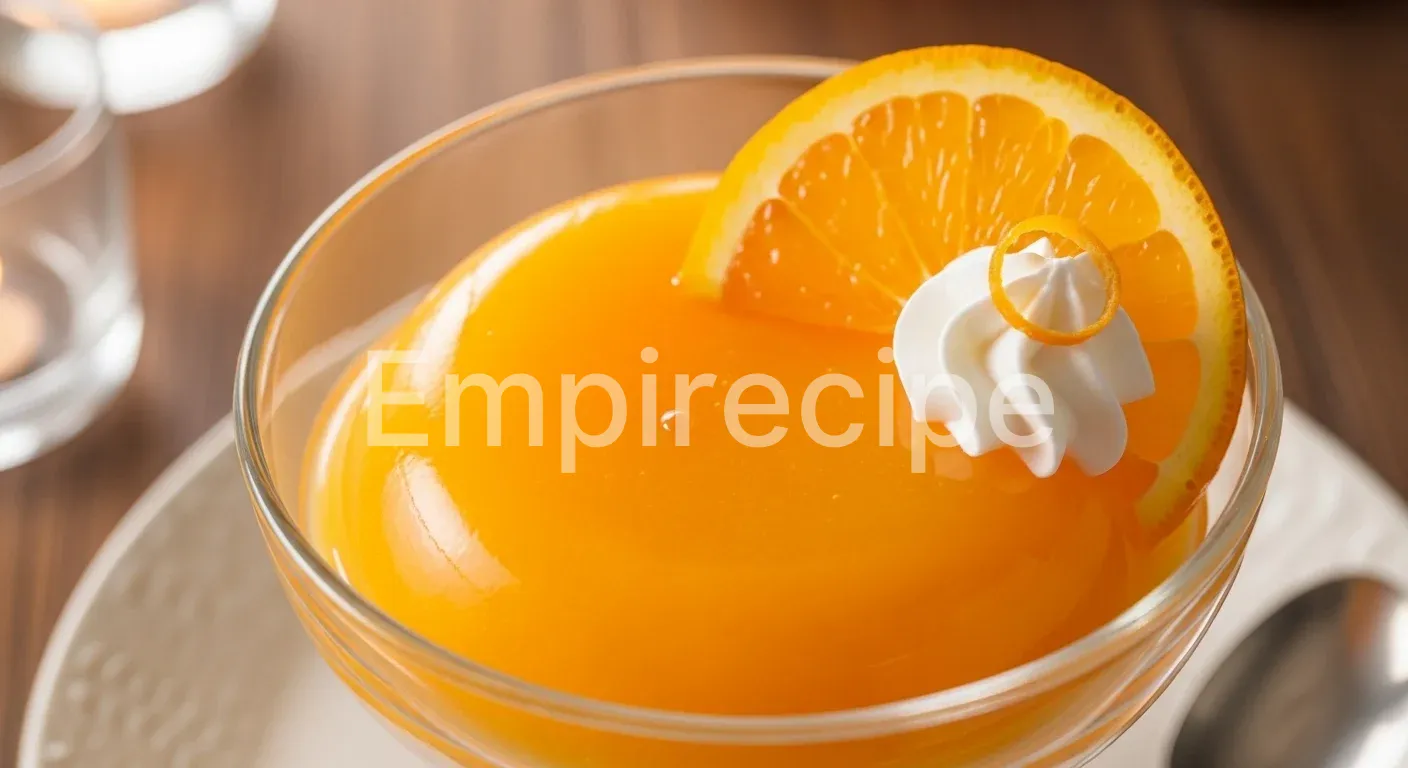
Efficiency meets indulgence here. La Lechera Orange Gelatin combines sharp citrus with high-fat luxury. This dessert teaches balance. Expect a velvety mouthfeel and vibrant color. We use technical precision. Let’s master this iconic treat now.
Table of Contents
Why You’ll Love This La Lechera Orange Gelatin
- High-fat milk creates unmatched creaminess.
- Cold-setting preserves bright citrus notes.
- Technical simplicity ensures rapid preparation.
- Precision layering creates a bold visual impact.
Ingredients You’ll Need for La Lechera Orange Gelatin
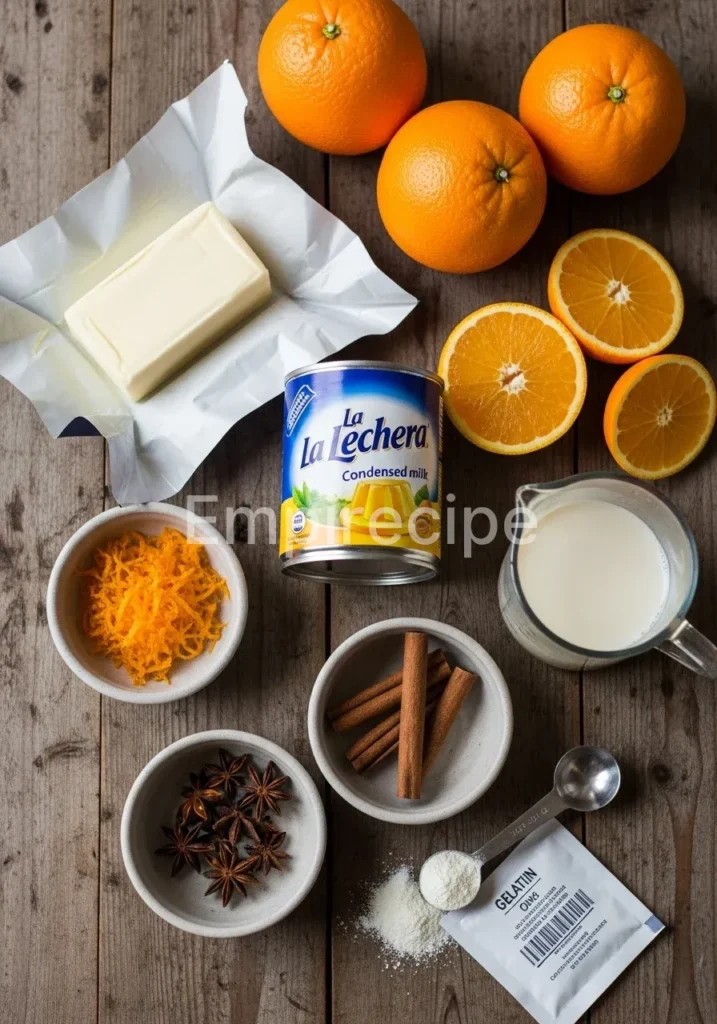
Success in the kitchen begins with ingredient integrity. When sourcing ingredients for La Lechera Orange Gelatin, you must focus on the chemical compatibility of your components. The acidity of the orange must be balanced by the sugar and fat content of the milk to ensure a stable emulsion that sets firmly without weeping. Low-quality substitutes will compromise the structural integrity of the final product.
- 1 can (14 oz) Sweetened Condensed Milk (Nestlé La Lechera is the industry standard for viscosity).
- 1 can (12 oz) Evaporated Milk (provides the necessary protein structure without excessive sugar).
- 2 cups high-grade Orange Juice (pulp-free is mandatory for a smooth mouthfeel).
- 4 envelopes (approx. 28g) Unflavored Gelatin (Bloom strength of 200 or higher is preferred).
- 1 cup cold water (for the essential hydration/blooming phase).
- 1/2 cup boiling water (to facilitate the complete dissolution of protein chains).
- Optional: Zest of one organic orange (for increased essential oil concentration).
Substitutions & Variations for La Lechera Orange Gelatin
[ra_display_video url=”https://www.youtube.com/watch?v=HV41OFLgOXY”]
Modern culinary challenges often require flexibility without sacrificing quality. Variations of La Lechera Orange Gelatin can include healthy swaps, though you must respect the physics of the set. To reduce refined sugar, you can utilize a low-fat evaporated milk, though the mouthfeel will become noticeably less luxurious. For a lactose-free alternative, coconut condensed milk offers a similar viscosity, though it introduces a tropical flavor profile that competes with the citrus.
If you are looking for a more “adult” profile, consider replacing a portion of the orange juice with a blood orange reduction. This increases the anthocyanin content and provides a sharper, more complex acidity. When preparing La Lechera Orange Gelatin, never substitute the unflavored gelatin with pre-sweetened flavored gelatin packets, as this will destroy the calculated sugar-to-fat ratio and result in a texture that is overly rubbery and artificial.
For those interested in exploring different flavors, consider trying a delicious variation of chocolate by checking out our Chocolate Gelatin recipe. This alternative offers a rich, indulgent twist that perfectly complements your dessert repertoire.
Equipment You’ll Need for La Lechera Orange Gelatin
Pragmatic cooking requires the right tools. Using the right tools for La Lechera Orange Gelatin ensures that you maintain control over temperature and aeration. A digital scale is superior to measuring cups, as gelatin density can vary by brand. Precision is the difference between a dessert that melts in the mouth and one that feels like plastic.
- Large mixing bowl (stainless steel or tempered glass for thermal conductivity).
- Silicone spatula (essential for scraping every gram of condensed milk).
- Fine-mesh whisk (to ensure complete dispersion of gelatin particles).
- High-quality decorative mold (silicone allows for easier release, but metal provides sharper edges).
- Digital thermometer (to monitor the temperature during the mixing phase).
- Immersion blender (optional, but recommended for achieving a perfect emulsion).
Step-by-Step Instructions for La Lechera Orange Gelatin
- The Blooming Phase: Pour the 1 cup of cold water into a small bowl. Sprinkle the unflavored gelatin evenly over the surface. Do not dump it in a pile; this prevents the center from hydrating. Let it sit for 5 to 10 minutes until it looks like a thick sponge. This hydration step is the first stage of La Lechera Orange Gelatin and is critical for a smooth result.
- Thermal Dissolution: Add the 1/2 cup of boiling water to the bloomed gelatin. Whisk vigorously until every crystal is dissolved. The mixture should be perfectly clear. If you see “strings” of gelatin, the water wasn’t hot enough. Do not boil the gelatin itself, as temperatures exceeding 212°F (100°C) can denature the proteins and weaken the set.
- The Milk Base: In a large mixing bowl, combine the Nestlé La Lechera and the evaporated milk. Use your whisk or immersion blender to create a uniform liquid. Ensuring the La Lechera Orange Gelatin mixture is smooth at this stage prevents clumps later.
- Citrus Integration: Slowly pour the orange juice into the milk mixture while stirring constantly. The citric acid can cause the milk proteins to tighten, so a slow pour is necessary to maintain an even suspension. If you are using zest, fold it in now to maximize the release of orange oils.
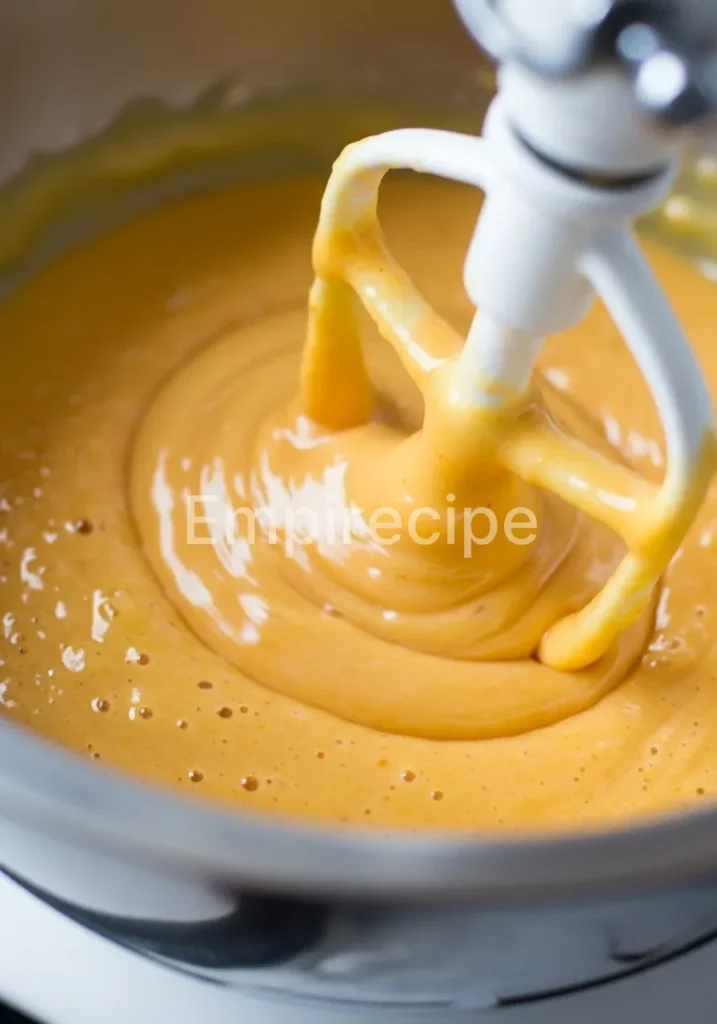
- Combining Phases: Gently pour the dissolved gelatin mixture into the orange-milk base. Whisk continuously for 2 minutes. This ensures that the gelatin molecules are evenly distributed throughout the entire volume of the liquid, which is the secret to creating the La Lechera Orange Gelatin texture we desire.
- The Pour: Lightly coat your mold with a neutral oil spray (like grapeseed oil) and wipe away the excess with a paper towel. Pour the mixture into the mold. If bubbles appear on the surface, pop them with a toothpick or a kitchen torch to ensure a professional finish.
- The Setting Gradient: Refrigerate the mold for at least 4 to 6 hours. For the best structural integrity, overnight refrigeration is superior. The cold environment allows the protein lattice to fully cross-link, providing that signature “snap” when sliced.
The blooming phase is crucial for achieving the right texture in your gelatin. You can find tips on creating stunning layered desserts in our Mosaic Gelatin Recipe, which elevates your gelatin game.
Pro Tips for Success with La Lechera Orange Gelatin
Technique defines the expert. Temperature control is vital for La Lechera Orange Gelatin. If your juice is too cold when you add the warm gelatin, the gelatin may “shock” and form small rubbery bits.
Aim for all ingredients to be at room temperature before the final mix, except for the boiling water used for dissolution. This creates a more stable cooling curve.
Surface tension is another factor. If you want a mirror-like finish on the bottom of your mold (which becomes the top when inverted), use a fine-mesh strainer when pouring the liquid into the mold. This removes any micro-bubbles or un-dissolved zest particles that might mar the aesthetic.
Furthermore, if you find it difficult to unmold the gelatin, dip the bottom of the mold in warm water for exactly 5 seconds. Any longer and you will melt the edges, ruining the crisp lines of your La Lechera Orange Gelatin.
Storage & Reheating Tips for La Lechera Orange Gelatin
Gelatin is a hydrocolloid, meaning it is sensitive to evaporation and odor absorption. Always store your La Lechera Orange Gelatin in an airtight container in the refrigerator. If left uncovered, the surface will develop a “skin” as it dehydrates, and it will pick up the flavors of other items in your fridge. It will remain at peak quality for 3 to 5 days.
Never freeze this recipe. Freezing causes the water in the gelatin structure to crystallize, which breaks the protein bonds. When thawed, the La Lechera Orange Gelatin will suffer from syneresis—meaning it will collapse and leak liquid, losing its creamy texture entirely.
Reheating is also not recommended, as it will simply return the dessert to a liquid state. Serve it cold, directly from the refrigerator, to maintain its maximum structural resistance.
Proper storage is essential to preserve the quality of your La Lechera Orange Gelatin. For more insights on maintaining gut health through gelatin, check out our guide on gelatin recipes for gut health.
What to Serve With This La Lechera Orange Gelatin
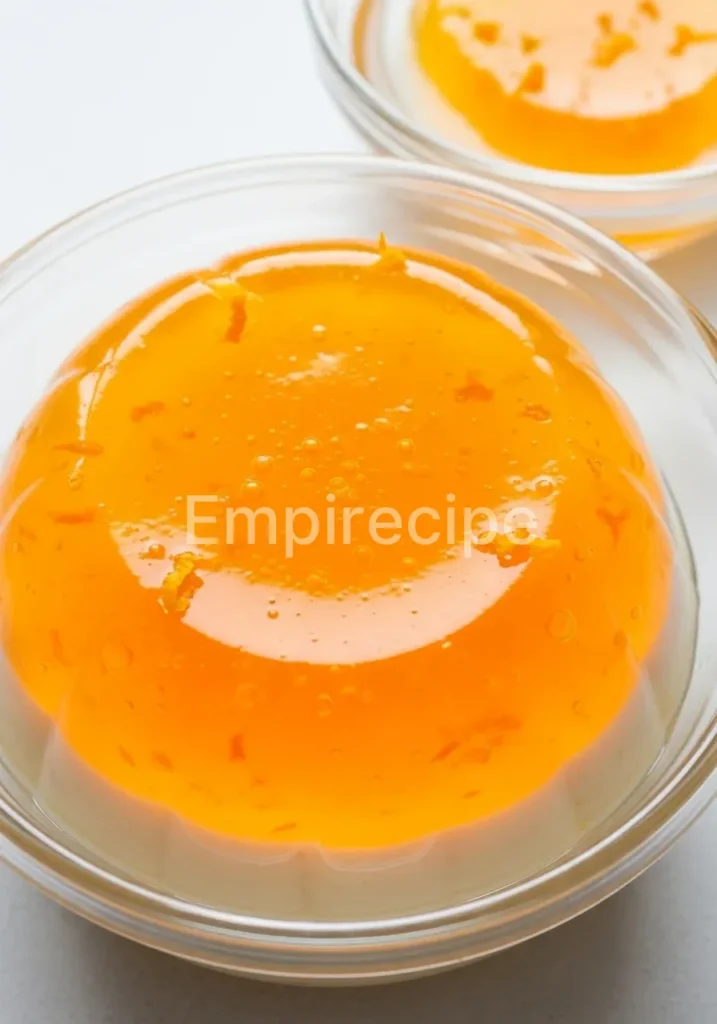
To balance the richness of the condensed milk, you need components that offer contrast in both texture and acidity. A simple salad of macerated berries with a hint of mint provides a sharp counterpoint to the creamy base. The acidity of the berries cuts through the fat of the milk, refreshing the palate between bites. When you serve your La Lechera Orange Gelatin, consider the visual and nutritional balance of the plate.
For a more technical pairing, a light tuile cookie provides a necessary crunch that the gelatin lacks. You might also consider a dollop of unsweetened Greek yogurt on the side; the tanginess enhances the citrus notes of the La Lechera Orange Gelatin without adding unnecessary sugar. Avoid heavy cream-based toppings, as the dessert is already high in dairy fats and requires brightness rather than more weight.
Frequently Asked Questions (FAQ) about La Lechera Orange Gelatin
How long does La Lechera Orange Gelatin take to set?
Under standard refrigeration temperatures (approx. 38°F), a standard La Lechera Orange Gelatin requires a minimum of 4 hours to achieve a basic set. However, for a mold that can be inverted and sliced cleanly, 6 to 8 hours is the technical recommendation. The protein bonds continue to strengthen over the first 12 hours of cooling.
Can I use fresh oranges for La Lechera Orange Gelatin?
Yes, but you must be aware of enzymes. While oranges do not contain the same level of protease enzymes as pineapple or kiwi (which prevent gelatin from setting), fresh juice should still be strained. If using fresh oranges for La Lechera Orange Gelatin, ensure the juice is at room temperature to avoid shocking the gelatin mixture during the integration phase.
Why is my La Lechera Orange Gelatin too soft?
A soft set usually results from one of three factors: insufficient gelatin hydration, boiling the gelatin (which destroys the proteins), or using too much liquid. Ensure you are using the exact measurements provided. If the acidity of your oranges is exceptionally high, you may need to increase the gelatin content by 10% to compensate for the acid-induced protein breakdown.
La Lechera Orange Gelatin is a popular dessert that showcases the delightful combination of creamy condensed milk and tangy orange juice. To learn more about gelatin and its culinary uses, visit this informative link.
Final Thoughts on La Lechera Orange Gelatin
Mastering La Lechera Orange Gelatin is a triumph of texture and taste. This dish bridges the gap between simple childhood snacks and sophisticated modern desserts. Its creamy layers and bright citrus notes offer a sensory experience that defines pragmatic culinary excellence for any chef.
Nutrition Information for La Lechera Orange Gelatin
The following data represents the estimated macro profile per serving based on a 10-serving yield. This La Lechera Orange Gelatin is a high-energy dessert, providing a significant amount of calcium from the dairy components.
| Nutrient | Amount Per Serving |
|---|---|
| Calories | 245 kcal |
| Total Fat | 7g |
| Saturated Fat | 4.5g |
| Cholesterol | 25mg |
| Sodium | 95mg |
| Total Carbohydrates | 38g |
| Sugars | 36g |
| Protein | 6g |
La Lechera Orange Gelatin
La Lechera Orange Gelatin combines sharp citrus with high-fat luxury, offering a velvety mouthfeel and vibrant color. This dessert teaches balance and utilizes technical precision for an iconic treat.
Ingredients
Method
- The Blooming Phase: Pour the 1 cup of cold water into a small bowl. Sprinkle the unflavored gelatin evenly over the surface and let it sit for 5 to 10 minutes.
- Thermal Dissolution: Add 1/2 cup of boiling water to the bloomed gelatin. Whisk until clear.
- The Milk Base: In a large mixing bowl, combine the sweetened condensed milk and evaporated milk, whisking generally.
- Citrus Integration: Slowly pour in the orange juice while stirring constantly. If using zest, fold it in now.
- Combining Phases: Pour the dissolved gelatin into the orange-milk base while whisking continuously for 2 minutes.
- The Pour: Lightly coat the mold with neutral oil spray. Pour the mixture into the mold and pop any bubbles.
- The Setting Gradient: Refrigerate the mold for at least 4 to 6 hours, preferably overnight.
Notes
Ensure all ingredients are at room temperature before the final mix. Store in an airtight container in the refrigerator for 3 to 5 days.