The Best Fluffy Pancakes recipe you will fall in love with. Full of tips and tricks to help you make the best pancakes.

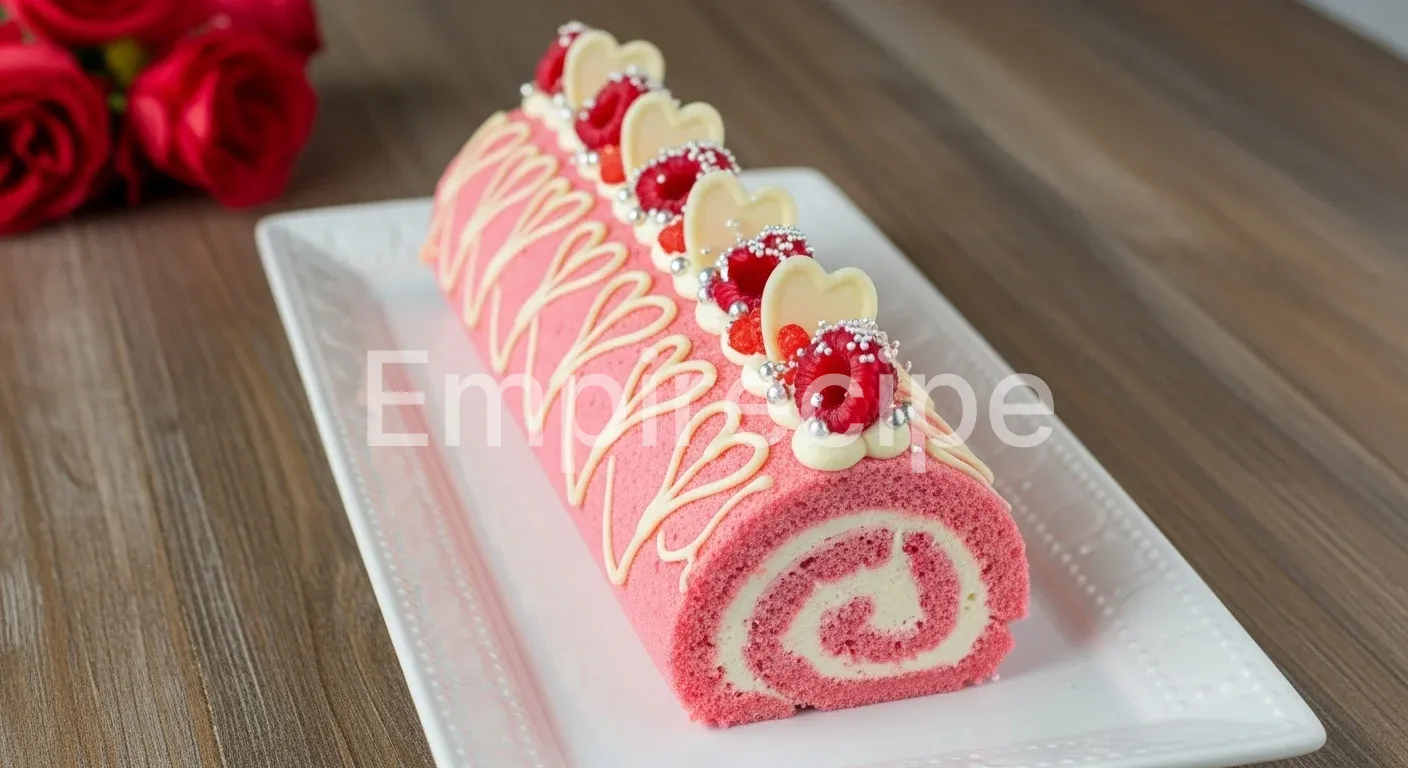
Mastering the Valentine’s Day Roll Cake requires precision. It offers a cloud-like sponge. A rich cream center awaits.
You will appreciate the technical balance. The visual design impresses guests. Every bite delivers sophisticated texture. This Valentine’s Day Roll Cake elevates your holiday.
Table of Contents
Why You’ll Love This Valentine’s Day Roll Cake
- Technical precision ensures a crack-free finish for your cake.
- Light texture provides a guilt-free, airy indulgence.
- Bold aesthetics make this dessert a stunning holiday centerpiece.
- Modern methods simplify the complex Valentine’s Day Roll Cake rolling process.
Ingredients You’ll Need
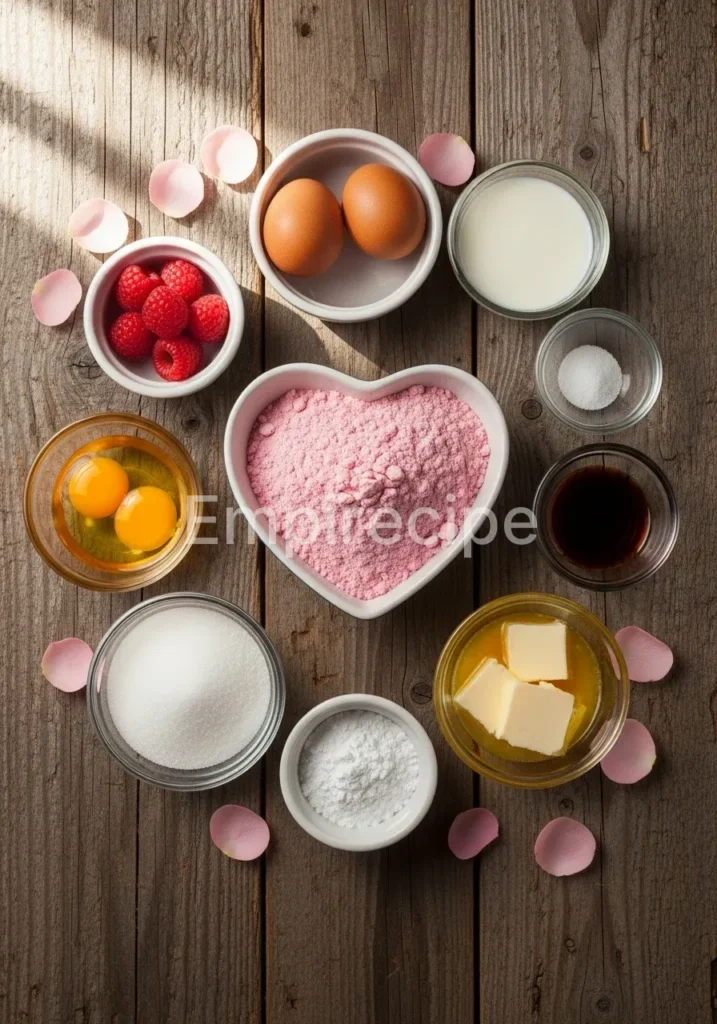
Success in baking starts with high-quality components. For this Valentine’s Day Roll Cake, you must focus on protein content and fat stability. Use room temperature eggs to ensure maximum volume during the aeration phase.
Fine-milled flour provides the necessary structure without making the sponge heavy or dense. Every ingredient plays a specific role in the chemical reaction that creates the perfect roll.
- 4 Large Eggs (separated, at room temperature)
- 100g Superfine Caster Sugar (divided)
- 60ml Whole Milk (room temperature)
- 40ml Neutral Oil (such as grapeseed or avocado)
- 80g Cake Flour (sifted three times for aeration)
- 1/2 tsp Cream of Tartar (for meringue stability)
- 1 tsp Pure Vanilla Bean Paste
- 250ml Heavy Whipping Cream (minimum 35% fat)
- 150g Fresh Raspberries (macerated and strained)
- 2 tbsp Powdered Sugar (for the filling)
Substitutions & Variations
[ra_display_video url=”https://www.youtube.com/watch?v=irTnfOV2ISM”]
Swap refined sugar for monk fruit for a healthier Valentine’s Day Roll Cake. Use gluten-free almond flour to adjust the protein structure. These simple swaps maintain the cake’s integrity while improving the nutritional profile.
For a healthier twist on your dessert, consider trying our recipe for Valentine’s Day Mini Cakes. These mini treats allow you to enjoy the flavors while accommodating dietary preferences.
Equipment You’ll Need
To execute the Valentine’s Day Roll Cake perfectly, you need the right tools. A standard 10×15 inch jelly roll pan is non-negotiable for the correct thickness. An electric stand mixer provides the consistent power required to reach the “stiff peak” stage with your egg whites.
Furthermore, high-quality parchment paper prevents sticking and facilitates the crucial initial roll. I also recommend a digital scale for gram-accurate measurements, as volumetric cups introduce too much margin for error. Finally, an offset spatula allows you to spread the batter with mathematical evenness, ensuring the Valentine’s Day Roll Cake bakes uniformly across the entire surface.
Step-by-Step Instructions
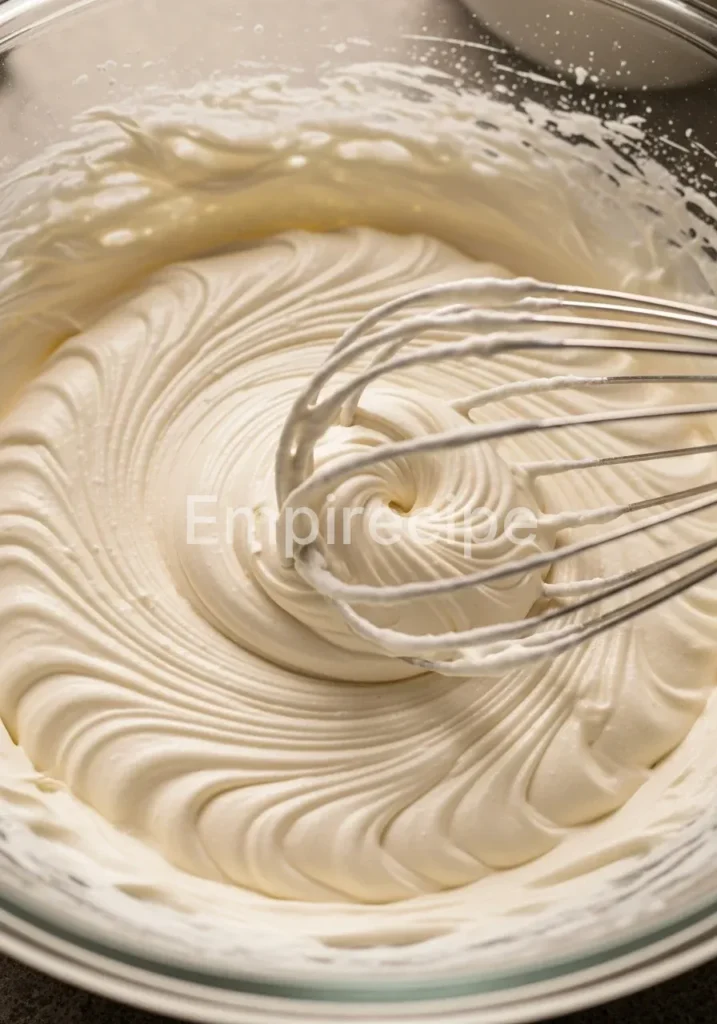
Follow these steps with technical rigor to achieve Valentine’s Day Roll Cake mastery. Do not rush the cooling process, as temperature control dictates the flexibility of the sponge.
- Preheat and Prep: Set your oven to 325°F (165°C). Line your jelly roll pan with parchment paper. Ensure the paper extends two inches over the sides to create handles for the Valentine’s Day Roll Cake.
- Emulsify the Base: Whisk the egg yolks with 40g of caster sugar until pale and ribbony. Slowly stream in the oil and milk while whisking constantly. This creates a stable emulsion for the Valentine’s Day Roll Cake batter.
- Incorporate Solids: Sift the cake flour directly into the yolk mixture. Whisk gently until just combined. Over-mixing at this stage develops too much gluten, which causes the Valentine’s Day Roll Cake to crack later.
- Aerate the Whites: In a clean bowl, beat the egg whites and cream of tartar. Gradually add the remaining sugar. Continue beating until stiff, glossy peaks form. This meringue provides the structural lift for your Valentine’s Day Roll Cake.
- Fold with Care: Gently fold one-third of the meringue into the yolk base to lighten it. Add the remaining meringue and fold using a “J” motion. Preserving the air bubbles is vital for the Valentine’s Day Roll Cake texture.
- Bake for Precision: Pour the batter into the pan. Level it with an offset spatula. Bake for 12-15 minutes. The sponge should spring back when touched but remain pale to preserve moisture.
- The Memory Roll: Immediately after baking, flip the cake onto a clean kitchen towel dusted with powdered sugar. Remove the parchment. Roll the warm cake and towel together from the short end. Let it cool completely. This “trains” the Valentine’s Day Roll Cake fibers.
- Stabilize the Filling: Whip the heavy cream and powdered sugar until very stiff. Fold in the strained raspberry puree. A firm filling is essential so the Valentine’s Day Roll Cake holds its shape when sliced.
- Fill and Form: Unroll the cooled cake gently. Spread the raspberry cream evenly, leaving a one-inch border at the edges. Carefully re-roll the cake, using the towel to guide it.
- The Final Set: Wrap the Valentine’s Day Roll Cake tightly in plastic wrap. Refrigerate for at least four hours. This chilling period allows the fats to solidify, creating a professional Valentine’s Day Roll Cake cross-section.
To further enhance your baking skills, check out our guide on How to Make a Perfect Heart-Shaped Pizza for Any Occasion. Just as in baking the perfect roll cake, mastering the art of pizza making requires attention to detail and precision.
Pro Tips for Success
To achieve Valentine’s Day Roll Cake perfection, you must monitor your oven’s actual temperature. Most home ovens fluctuate; use an internal thermometer to ensure a steady 325°F. If the cake overbakes by even sixty seconds, it loses the elasticity required for the roll.
Furthermore, never skip sifting the flour. Sifting introduces air and breaks up clumps that would otherwise weigh down the Valentine’s Day Roll Cake. Another technical secret involves the egg whites.
Ensure your whisk and bowl are completely free of grease. Even a microscopic trace of fat prevents the proteins from bonding, which ruins the Valentine’s Day Roll Cake height. Lastly, use a serrated knife dipped in hot water for the cleanest slices. Wipe the blade between every cut to maintain the visual integrity of the spiral.
Storage & Reheating Tips
Keep your Valentine’s Day Roll Cake fresh by storing it in an airtight container in the refrigerator. Because the filling contains fresh dairy, it should not sit at room temperature for more than thirty minutes. The cake remains optimal for up to three days.
I do not recommend reheating this dessert, as the cream filling will liquefy and destroy the sponge. If you must store it longer, you can freeze individual slices of the Valentine’s Day Roll Cake. Wrap them tightly in parchment and then foil. Thaw them in the fridge for two hours before serving to maintain the textural contrast between the cake and the cream.
Keep your dessert fresh with expert advice from our guide on The Best Chocolate-Covered Strawberries Guide. These strawberries can be the perfect pairing with your roll cake, adding a delightful contrast to its rich flavors.
What to Serve With This Recipe

When selecting a Valentine’s Day Roll Cake pairing, aim for balance. Since the cake is sweet and creamy, a tart accompaniment works best. A fresh arugula salad with a light citrus vinaigrette provides a peppery contrast that cleanses the palate.
Alternatively, roasted strawberries with balsamic glaze offer a sophisticated depth that complements the raspberry filling. If you prefer a beverage pairing, choose a dry sparkling rosé. The carbonation cuts through the richness of the whipped cream, making each bite of the Valentine’s Day Roll Cake feel as light as the first. Avoid overly sugary drinks that would compete with the dessert’s delicate flavor profile.
Frequently Asked Questions (FAQ)
Why did my Valentine’s Day Roll Cake crack during the rolling process?
Cracking usually occurs due to moisture loss. If you overbake the sponge, the proteins become brittle. Ensure you roll the cake while it is still steaming hot from the oven to utilize “moisture memory.”
Can I make the Valentine’s Day Roll Cake one day in advance?
Absolutely. In fact, a Valentine’s Day Roll Cake often tastes better the next day. The flavors meld together, and the sponge absorbs a slight amount of moisture from the cream, making it even more tender.
What is the best way to color the Valentine’s Day Roll Cake red?
Use high-quality gel food coloring rather than liquid drops. Gel coloring provides a bold hue without altering the hydration levels of the batter, which is crucial for the Valentine’s Day Roll Cake structural integrity.
A Valentine’s Day Roll Cake is a delightful dessert that combines a light and airy sponge cake with a rich filling, often made from cream and fruits. This innovative dessert captures the essence of celebration and is popular for romantic occasions, offering a unique twist on traditional cake recipes found in cake history.
Final Thoughts
This Valentine’s Day Roll Cake merges technical precision with deep flavor. You mastered the sponge, the roll, and the filling flawlessly. Every slice reveals a perfect spiral of culinary effort.
Share this achievement with someone special. It proves that great baking requires both heart and science.
Nutrition Information (per serving)
This Valentine’s Day Roll Cake provides a balanced treat when enjoyed in moderation. Below is the approximate macro summary per slice.
| Nutrient | Amount per Serving |
|---|---|
| Calories | 245 kcal |
| Total Fat | 14g |
| Saturated Fat | 8g |
| Cholesterol | 85mg |
| Sodium | 55mg |
| Total Carbohydrates | 26g |
| Dietary Fiber | 1g |
| Sugars | 18g |
| Protein | 5g |
Valentine’s Day Roll Cake
This Valentine’s Day Roll Cake merges technical precision with deep flavor, featuring a cloud-like sponge and a rich cream center that impresses visually and texturally.
Ingredients
Method
- Preheat and prep your oven to 325°F (165°C) and line the jelly roll pan with parchment paper.
- Whisk egg yolks with 40g of caster sugar until pale, then add milk and oil.
- Sift cake flour into the yolk mixture and whisk gently until combined.
- In a clean bowl, beat egg whites and cream of tartar, then gradually add remaining sugar until stiff peaks form.
- Fold the meringue into the yolk base gently using a ‘J’ motion.
- Pour batter into the pan, level it, and bake for 12-15 minutes until springy.
- Flip the cake onto a powdered sugar-dusted towel, remove parchment, and roll with the towel to cool.
- Whip cream with powdered sugar until stiff, then fold in raspberry puree.
- Unroll the cooled cake, spread the raspberry cream, and roll it back up.
- Wrap in plastic wrap and refrigerate for at least 4 hours before serving.
Notes
Make sure to monitor oven temperature for best results. Use a serrated knife dipped in hot water for clean slices.