The Best Fluffy Pancakes recipe you will fall in love with. Full of tips and tricks to help you make the best pancakes.

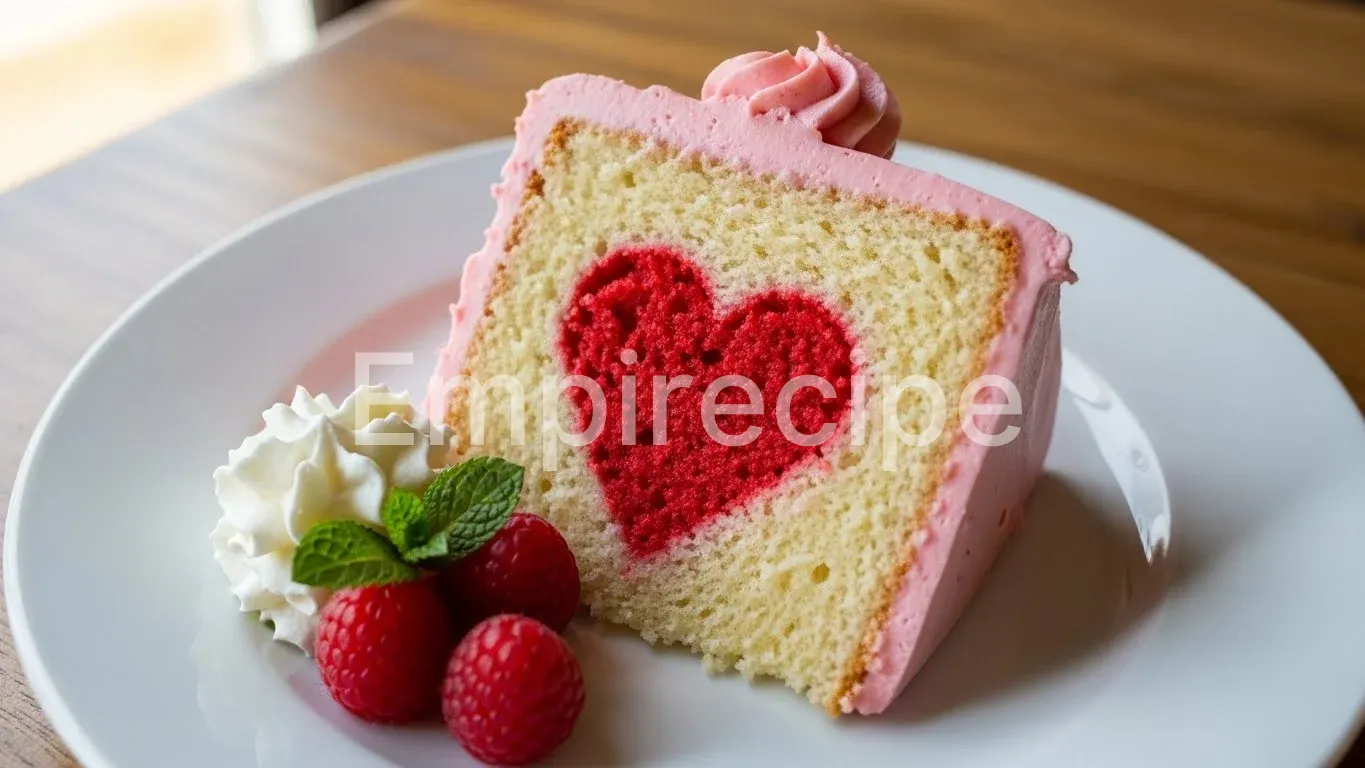
The Hidden Heart Cake represents a masterpiece of culinary precision and surprise. This dessert combines a moist vanilla exterior with a secret chocolate heart inside. I focus on technical execution to ensure the internal shape stays sharp. This Hidden Heart Cake offers a sophisticated texture.
Table of Contents
Why You’ll Love This Hidden Heart Cake
- Achieve a stunning, professional visual surprise in every single slice.
- Master the technical “cake-within-a-cake” method for flawless execution.
- Enjoy a perfectly balanced crumb using high-quality, pragmatic ingredients.
- Deliver a bold, innovative dessert that challenges standard baking norms.
Ingredients You’ll Need
| Category | Ingredient | Technical Specification |
|---|---|---|
| Fats | Unsalted Butter | 250g, softened to exactly 18°C for optimal aeration. |
| Sugars | Caster Sugar | 225g, fine grain for rapid dissolution. |
| Proteins | Large Eggs | 4 units, room temperature to prevent batter splitting. |
| Structure | Cake Flour | 275g, sifted twice for structural integrity. |
| Leavening | Baking Powder | 1.5 teaspoons, checked for chemical activity. |
| Liquid | Whole Milk | 60ml, full fat for mouthfeel and moisture. |
| Flavor | Cocoa Powder | 30g, Dutch-processed for deep color in the heart. |
| Extract | Vanilla Bean Paste | 1 tablespoon for aromatic complexity. |
Substitutions & Variations
[ra_display_video url=”https://www.youtube.com/watch?v=LKJ14g6VuDc”]
To optimize the Hidden Heart Cake for health, swap caster sugar for an equal weight of monk fruit sweetener. Replace 50% of the butter with Greek yogurt to reduce lipid content while maintaining moisture. Use gluten-free measure-for-measure flour for accessibility without compromising the structural density of the heart shape.
For those looking to make their Hidden Heart Cake a healthier treat, consider this approach. You can also explore the delicious recipe for Carrot Cake Donuts for another inventive dessert option.
Equipment You’ll Need for the Hidden Heart Cake
To execute this Hidden Heart Cake with the precision I demand, you must move beyond basic kitchen tools. Precision is the difference between a blurred shape and a sharp silhouette.
- Digital Kitchen Scale: Volumetric measurements are too inconsistent; weight is the only way to ensure the crumb density is identical across both bakes.
- 9×5 Inch Loaf Pan: Heavy-gauge aluminized steel provides the best thermal conductivity and even browning.
- 2-Inch Heart-Shaped Cookie Cutter: This is your primary shaping tool. Ensure it has sharp edges for clean cuts.
- Stand Mixer: You need a paddle attachment to achieve the specific level of aeration required for the “cream method” without overworking the gluten.
- Wire Cooling Rack: Essential for immediate heat dissipation to prevent the cake from steaming itself and becoming gummy.
- Silicone Spatula: For efficient folding to ensure no dry pockets of flour remain in the batter.
Step-by-Step Instructions
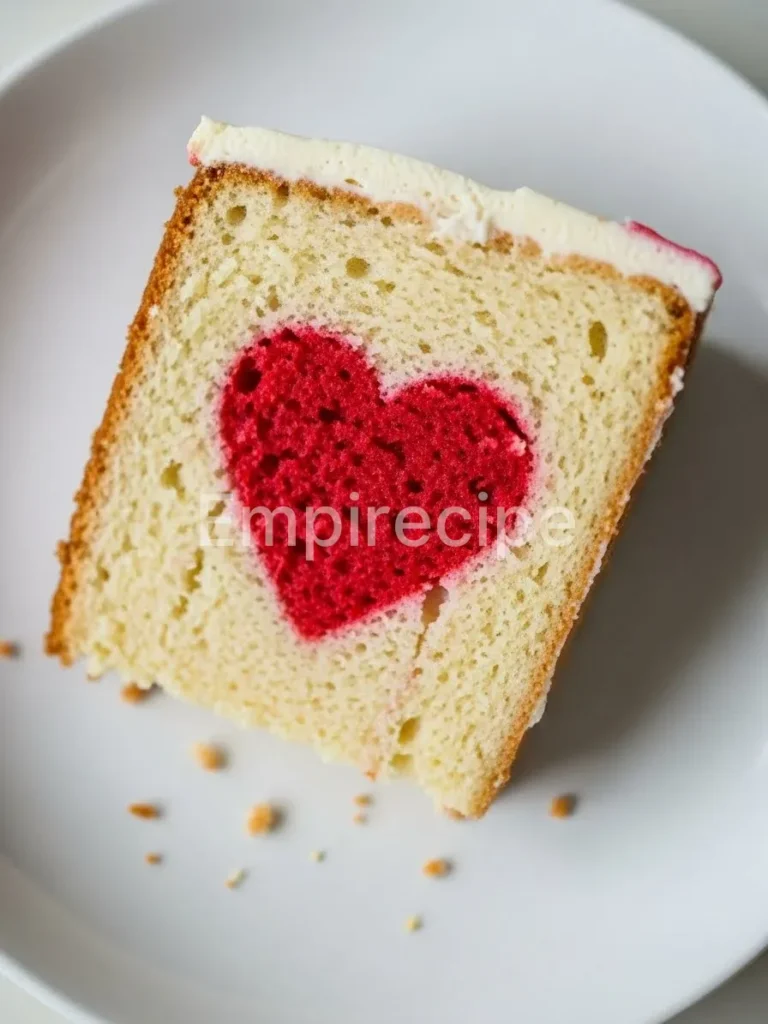
Follow these steps for a perfect Hidden Heart Cake. I do not tolerate guesswork in the kitchen.
- Bake the Internal Component: Preheat your oven to 175°C. Prepare a standard chocolate batter using the cocoa powder and half of your base ingredients. Spread this into a shallow baking tray lined with parchment paper. Bake for 15-18 minutes until the surface is set.
- Extraction: Once the chocolate cake cools completely, use your heart-shaped cutter to stamp out as many hearts as possible. Accuracy matters here; keep the shapes uniform.
- Structural Preparation: Place your chocolate hearts on a tray and freeze them for 20 minutes. This technical step prevents the hearts from overbaking or losing their shape during the second round in the oven for your Hidden Heart Cake.
- Creaming Phase: In your stand mixer, beat the softened butter and sugar at medium-high speed for 5 minutes. You are looking for a pale, almost white color and a fluffy texture. This traps the air needed for lift.
- Emulsification: Add eggs one at a time. Do not rush this. If the batter looks curdled, your eggs were too cold. Continue mixing until the emulsion is stable.
- Dry Integration: Sift the cake flour and baking powder over the wet mixture. Fold gently by hand using a spatula. Over-mixing at this stage will activate the gluten and result in a tough, bread-like texture.
- Fluid Adjustment: Stream in the whole milk and vanilla bean paste. The batter should reach a “dropping consistency,” where it falls slowly from a raised spoon.
- Foundational Layer: Pour approximately 1 inch of the vanilla batter into the bottom of your greased loaf pan. Level it with an offset spatula. This creates the base for your Hidden Heart Cake.
- Alignment: Take your frozen chocolate hearts and stand them upright in a tight, continuous row down the center of the pan. They should be touching each other with no gaps. This ensures every slice contains a heart.
- Encapsulation: Carefully pipe or spoon the remaining vanilla batter around the sides and then over the top of the chocolate hearts. Smooth the top surface without shifting the internal column.
- Thermal Processing: Bake at 170°C for 45-50 minutes. Use a digital probe thermometer to check the internal temperature; it should reach 98°C at the center of the vanilla portion.
- Thermal Equilibrium: Allow the Hidden Heart Cake to rest in the pan for 10 minutes before transferring it to a wire rack. This allows the crumb to set and prevents the heart from detaching.
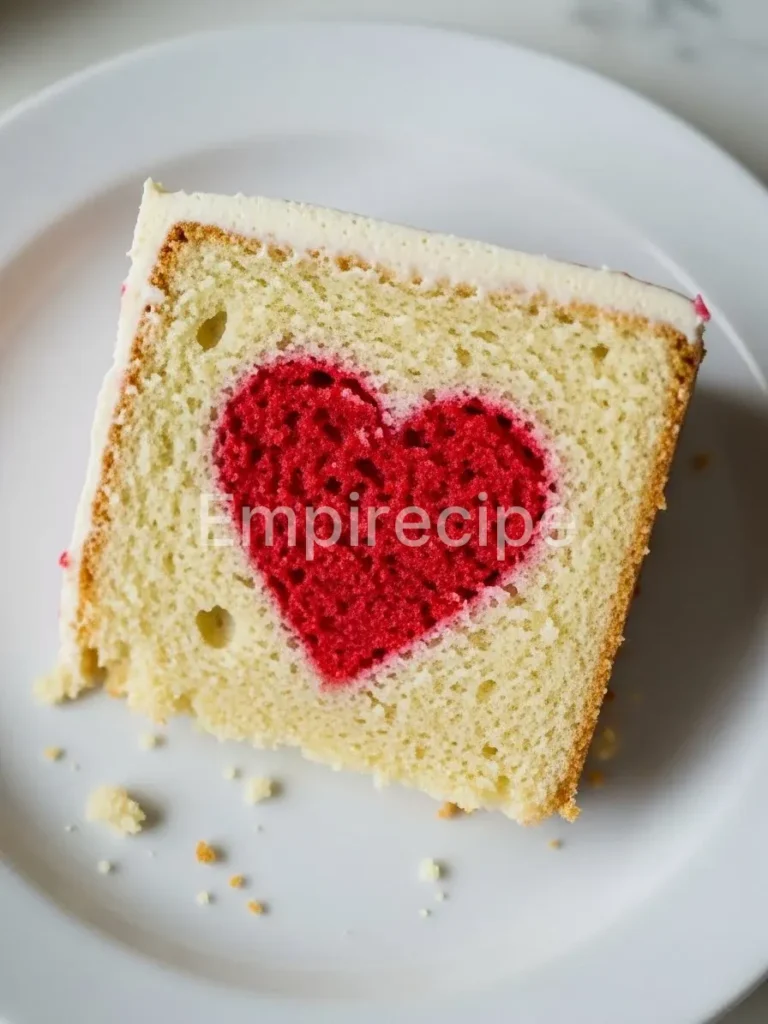
- The Reveal: Wait until the cake is completely room temperature before slicing. Use a serrated knife with a gentle sawing motion for the cleanest presentation of the internal heart.
Baking a Hidden Heart Cake demands precision and the right techniques, which can sometimes feel overwhelming. For a simpler dessert option, check out our guide to making Homemade Cake Donuts for quick and tasty results.
Pro Tips for Success
Technical excellence in the Hidden Heart Cake requires attention to detail. First, always freeze the internal shapes. This creates a thermal buffer, so the chocolate heart doesn’t dry out while the surrounding vanilla batter cooks.
Second, use Dutch-processed cocoa. The higher pH level results in a darker, more contrasting color, making the heart “pop” against the light vanilla background. Finally, ensure your vanilla batter is thick. If the batter is too thin, the chocolate hearts will float or tilt during the early stages of baking, ruining the horizontal alignment of the Hidden Heart Cake.
Storage & Reheating Tips
The Hidden Heart Cake maintains its structural integrity best when stored in an airtight container at room temperature for up to three days. If you reside in a high-humidity environment, refrigerate the cake, but wrap it tightly in plastic film to prevent the crumb from absorbing odors.
To reheat, avoid the microwave as it can make the cake rubbery. Instead, place a slice in a 150°C oven for 4 minutes to revitalize the butter fats and restore the original soft texture of the Hidden Heart Cake.
Storing the Hidden Heart Cake is key to preserving its flavor and texture, especially if you live in a humid area. For an equally delightful dessert that keeps well, consider trying the Matcha Anmitsu Gelatin Dessert.
What to Serve With This Recipe
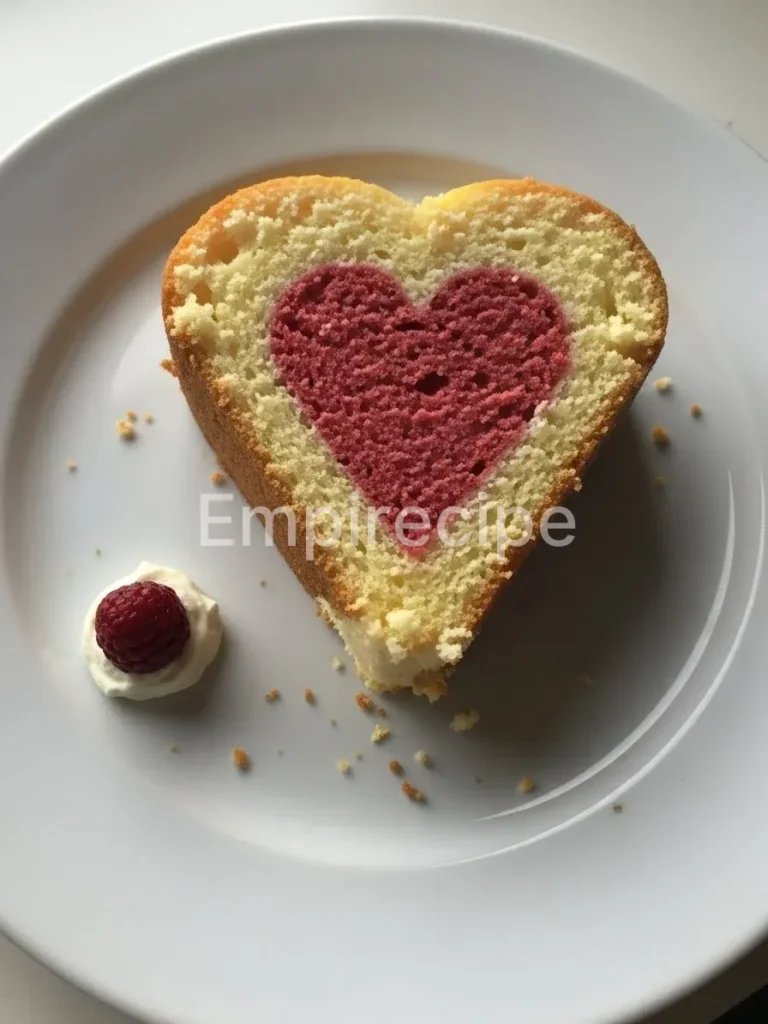
To complement the rich, buttery profile of the Hidden Heart Cake, I recommend high-acidity pairings. A fresh raspberry coulis provides a sharp contrast to the vanilla and chocolate notes. For a pragmatic and healthy addition, serve each slice with a dollop of unsweetened Greek yogurt mixed with lemon zest. If you prefer a textural contrast, a side of roasted almonds or pistachios adds a necessary crunch that balances the soft crumb of the Hidden Heart Cake perfectly.
Frequently Asked Questions (FAQ)
Why did the heart in my Hidden Heart Cake sink to the bottom?
This usually occurs if the bottom layer of vanilla batter is too thin or if the batter lacks the viscosity to support the weight of the chocolate shapes. Ensure you follow the creaming instructions exactly to create a stable, aerated structure.
Can I use a different shape instead of a heart?
Absolutely. The technical process for the Hidden Heart Cake remains the same regardless of the shape. You can use stars, pumpkins, or even letters. Just ensure the shapes are tall enough to be visible but short enough to be completely covered by the top batter layer.
Why is my Hidden Heart Cake dry on the outside?
Overbaking is the most common cause of a dry exterior. Because this is a “double-bake” recipe, you must monitor the oven temperature precisely. I recommend using an independent oven thermometer to verify that your appliance is calibrated correctly.
The Hidden Heart Cake is a unique dessert that combines a moist exterior with a hidden layer of chocolate, making it an impressive choice for special occasions. This technique of creating cakes with hidden elements reflects modern baking trends and can be explored more in-depth through articles on cake making.
Final Thoughts
Baking the Hidden Heart Cake proves that technical precision yields emotional rewards. You create more than just a dessert; you build a memory with every slice. This bold Hidden Heart Cake challenges your skills while providing a delicious, moist treat that impresses every guest at your table.
Nutrition Information (per serving)
The following data represents the Hidden Heart Cake based on 12 standard slices.
| Metric | Value per Serving |
|---|---|
| Calories | 310 kcal |
| Total Fat | 16g |
| Saturated Fat | 10g |
| Carbohydrates | 38g |
| Sugars | 22g |
| Protein | 5g |
| Fiber | 1.5g |
Hidden Heart Cake
The Hidden Heart Cake is a dessert that features a moist vanilla exterior concealing a secret chocolate heart, showcasing culinary precision and surprise.
Ingredients
Method
- Preheat the oven to 175°C. Prepare a standard chocolate batter using cocoa powder and half of the base ingredients. Spread into a shallow baking tray lined with parchment paper and bake for 15-18 minutes until set.
- Once cooled, use a heart-shaped cutter to stamp out chocolate hearts and freeze for 20 minutes.
- In a stand mixer, beat softened butter and sugar at medium-high speed for 5 minutes until pale and fluffy.
- Add eggs one at a time, ensuring stable emulsification.
- Sift cake flour and baking powder over the mixture and fold gently.
- Stream in whole milk and vanilla paste, achieving a ‘dropping consistency.’
- Pour 1 inch of vanilla batter into the bottom of a greased loaf pan.
- Stand the frozen chocolate hearts upright in a continuous row down the center of the pan.
- Pipe the remaining vanilla batter around the sides and over the top of the chocolate hearts.
- Bake at 170°C for 45-50 minutes, checking internal temperature reaches 98°C.
- Let the cake rest in the pan for 10 minutes before transferring to a wire rack.
- Cool completely before slicing.
Notes
Ensure to freeze internal shapes to maintain sharpness. Use Dutch-processed cocoa for contrast. Monitor oven temperatures to prevent overbaking.