The Best Fluffy Pancakes recipe you will fall in love with. Full of tips and tricks to help you make the best pancakes.

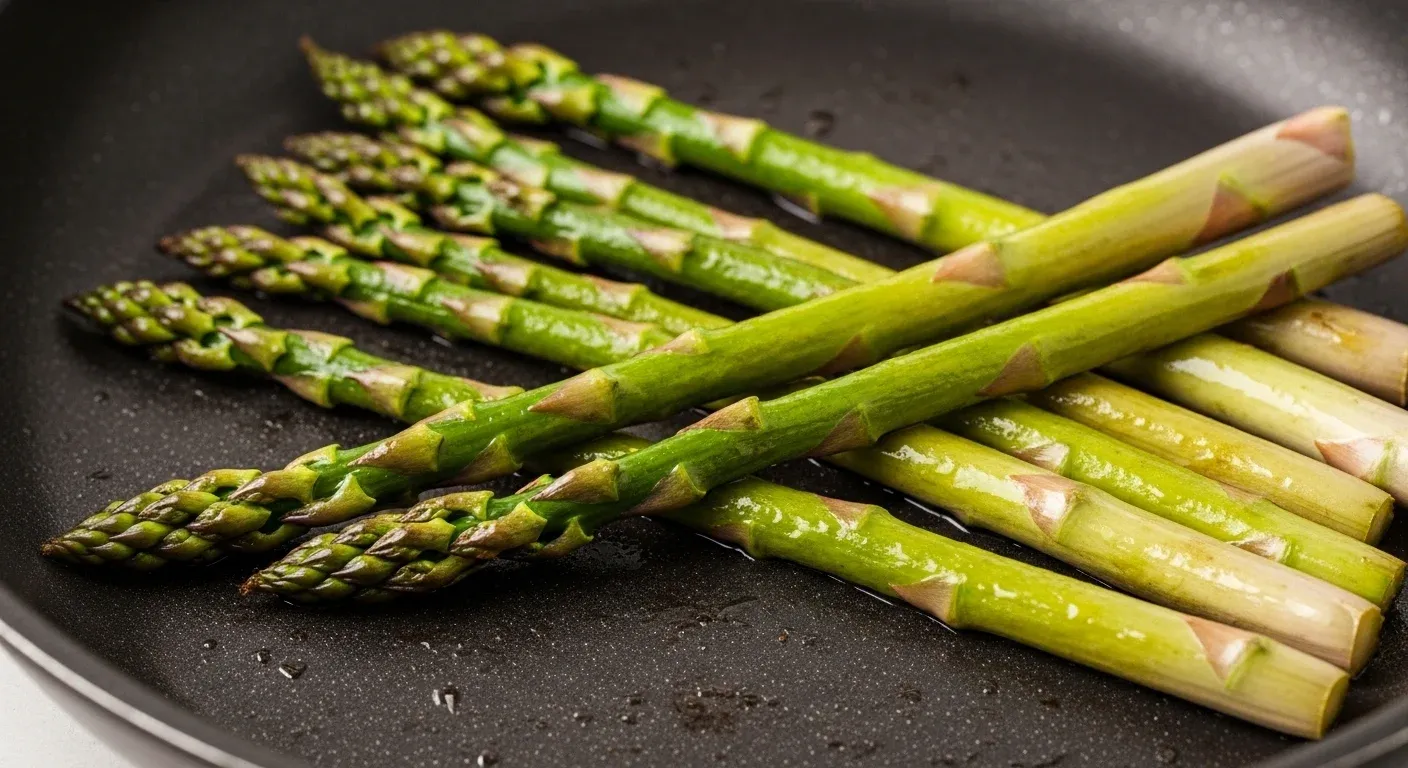
Mastering Pan Fried Asparagus requires more than just a hot surface; it demands an understanding of thermal transfer and moisture management. You want a spear that retains its structural integrity while developing a deeply caramelized exterior. This technique bridges the gap between raw crunch and tender succulence.
Forget the limp, grayish stalks from steam baskets because we are aiming for a vibrant green color and a concentrated nutty flavor. Precision is your best friend in the kitchen today. Let us look at how to execute the perfect Pan Fried Asparagus every single time.
Table of Contents
Why You’ll Love This Recipe
- Unmatched Texture: Achieve a crisp-tender bite that boiling cannot replicate.
- Maximum Efficiency: This Pan Fried Asparagus method takes less than eight minutes.
- Nutrient Retention: High-heat, short-duration cooking preserves essential vitamins.
Ingredients You’ll Need
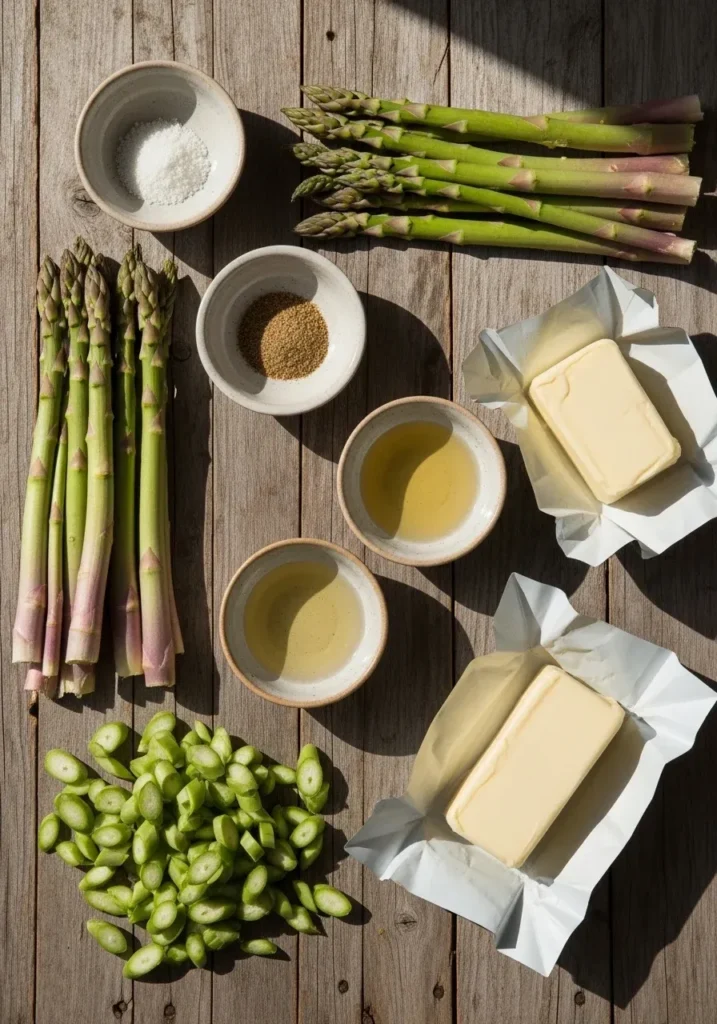
Success in the kitchen starts with raw material selection. When shopping for Pan Fried Asparagus, look for firm, straight spears with tightly closed buds. Avoid any stalks that appear woody or shriveled at the base.
The thickness of the spear dictates your cooking time; however, medium-diameter stalks usually provide the best balance of exterior char and interior snap. Use a high-quality oil with a high smoke point. While butter adds incredible flavor, its milk solids burn quickly. I recommend a blend or a finishing touch of butter at the very end to prevent bitterness from carbonization.
| Ingredient | Quantity | Purpose |
|---|---|---|
| Fresh Asparagus | 1 bunch (approx. 1 lb) | Primary protein-rich vegetable base. |
| Avocado Oil or Ghee | 2 tablespoons | High smoke point fat for searing. |
| Unsalted Butter | 1 tablespoon | Optional finishing fat for flavor. |
| Garlic Cloves | 2 large, minced | Aromatic depth and savory notes. |
| Kosher Salt | To taste | Enhances natural sweetness and draws out moisture. |
| Black Pepper | To taste | Adds a sharp, pungent kick. |
| Lemon Juice | 1 teaspoon | Brightens the dish and cuts through the fat. |
Substitutions & Variations
[ra_display_video url=”https://www.youtube.com/watch?v=8yMEy9G0x5U”]
You can easily modify this Pan Fried Asparagus to suit specific dietary needs. Swap avocado oil for extra virgin olive oil if you maintain a lower temperature. For a vegan-friendly version, replace the butter with a plant-based alternative or simply omit it and add a splash of balsamic glaze.
If you crave heat, toss in half a teaspoon of crushed red pepper flakes during the final minute of cooking. To add a nutty crunch, garnish with toasted pine nuts or slivered almonds just before serving.
If you’re looking to accommodate specific dietary needs, consider modifying this Pan Fried Asparagus recipe further. You might enjoy our High Protein Gelatin Pancakes for a nutritious side that complements your meal.
Equipment You’ll Need
The choice of cookware determines the outcome of your Pan Fried Asparagus. I strongly advocate for a heavy-bottomed pan. A cast-iron skillet is the gold standard here because of its massive thermal inertia.
Once it gets hot, it stays hot, even when you drop cold vegetables into it. This prevents the temperature from plummeting, which would lead to steaming rather than searing. If you do not have cast iron, a high-quality carbon steel pan or a tri-ply stainless steel skillet will suffice. Avoid non-stick pans for this specific application; they cannot handle the high heat required for a proper Maillard reaction and often release chemicals when pushed to their limits.
Beyond the pan, you need a pair of long-handled stainless steel tongs. Tongs allow for precise control and prevent the delicate tips of the Pan Fried Asparagus from breaking. A sharp chef’s knife is essential for a clean trim of the woody ends.
Finally, ensure you have a microplane or a small grater if you plan to finish the dish with fresh lemon zest or hard cheese. High-performance equipment reduces friction in the cooking process and ensures consistent results every time you step up to the stove.
Step-by-Step Instructions

- Prepare the Stalks: Wash the asparagus under cold water and pat them completely dry. This is a non-negotiable step. Excess water creates steam, which ruins the sear. Trim the bottom inch of the stalks where the fiber becomes woody and tough.
- Heat the Pan: Place your skillet over medium-high heat. Add the avocado oil and wait until it shimmers. You want the oil just below its smoke point. If the oil begins to smoke excessively, pull the pan off the heat for thirty seconds.
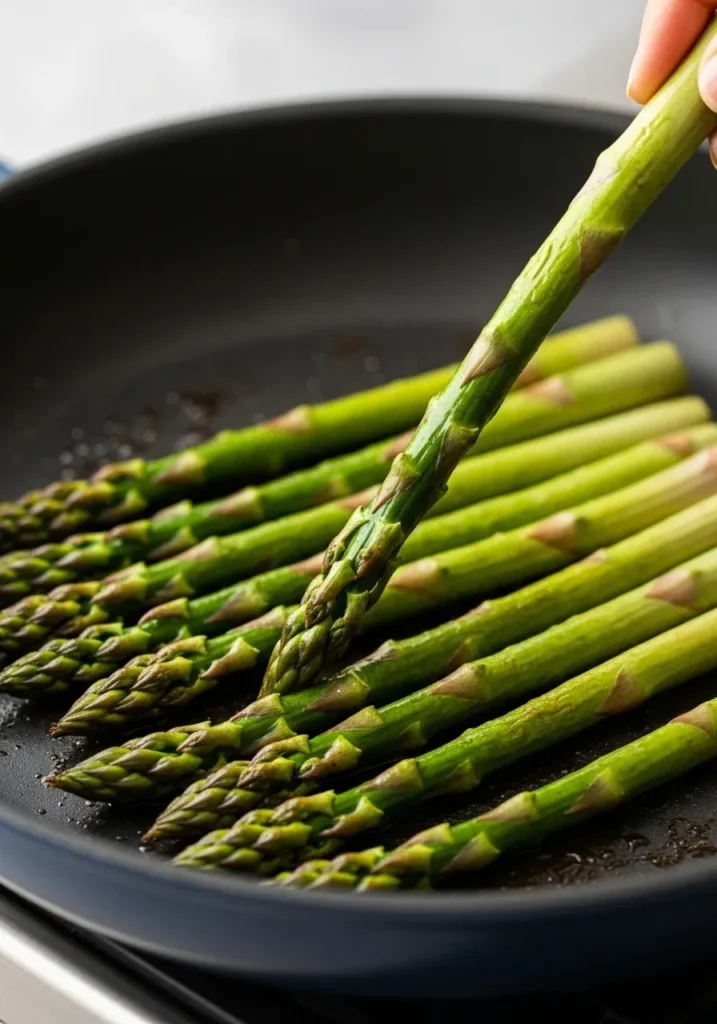
- Sauté the Asparagus: Carefully lay the spears in the hot pan. Do not overcrowd the surface. If you have too many stalks, cook them in two batches. Let them sit undisturbed for two minutes to develop a brown crust. Use your tongs to roll them occasionally, ensuring even contact with the heat.
- Add Aromatics: Once the Pan Fried Asparagus begins to soften and blister, push the stalks to one side. Add the minced garlic and the optional butter to the empty space. Cook for 30 to 45 seconds until the garlic is fragrant but not brown.
- Season and Deglaze: Toss the stalks to coat them in the garlic butter. Sprinkle with salt and pepper. Turn off the heat and squeeze a fresh lemon over the pan. The residual heat will evaporate the excess liquid, leaving a concentrated citrus essence.
Preparing the asparagus properly can set the stage for perfect results every time. After mastering this technique, you might want to try making a rich dessert like Greek Yogurt Panna Cotta as a perfect finish to your meal.
Pro Tips for Success
To master Pan Fried Asparagus, you must respect the science of heat. The Maillard reaction—the chemical reaction between amino acids and reducing sugars—only occurs at high temperatures. If your pan is too cold, the vegetable will simply soften and turn olive-drab.
Always preheat your skillet for at least three to five minutes before adding oil. This ensures the metal pores expand and provide a more even cooking surface. Also, consider the thickness of your spears. Thick stalks may require a “lid-on” technique for sixty seconds to steam the core slightly before you finish them with a high-heat sear.
Another technical tip involves the seasoning timing. Salt draws out moisture through osmosis. If you salt the Pan Fried Asparagus too early, it will release water into the pan, dropping the temperature and preventing that desirable char.
Save the salt for the final two minutes of the process. For an extra layer of complexity, try “dry searing” the asparagus for the first minute without any oil at all. This technique, often used in professional kitchens, creates a toasted flavor profile that oil can sometimes mask. Once the stalks show the first signs of char, then you add your fat and aromatics.
Storage & Reheating Tips
While Pan Fried Asparagus is best enjoyed immediately, you can store leftovers in an airtight glass container in the refrigerator for up to three days. Avoid plastic containers if possible, as they can trap residual heat and cause the vegetables to become soggy. When it comes to reheating, the microwave is your enemy.
It will turn your perfectly seared stalks into mush. Instead, reheat them in a dry skillet over medium heat for two minutes. This restores some of the exterior crispness without overcooking the interior. Alternatively, chop the cold leftovers and toss them into an omelet or a cold grain salad for a quick nutritional boost.
While it’s best to consume Pan Fried Asparagus immediately, storing leftovers can be made easy. For dessert, you can prepare a delightful Two Layer Japanese Gelatin to complement your asparagus dish.
What to Serve With This Recipe
This Pan Fried Asparagus serves as a versatile side dish for almost any clean protein. Pair it with a seared salmon fillet or a grass-fed ribeye to balance out a heavy meal. The acidity of the lemon in the asparagus cuts through the richness of fatty fish and marbled meats beautifully.
If you prefer a vegetarian approach, serve these spears over a bed of fluffy quinoa mixed with roasted chickpeas and a tahini dressing. The earthy tones of the grain complement the charred notes of the vegetable. For a breakfast twist, place a few stalks of Pan Fried Asparagus under a perfectly poached egg and finish with a sprinkle of smoked paprika.
Frequently Asked Questions (FAQ)
Should I peel my asparagus before frying?
For standard medium spears, peeling is unnecessary. However, if you have exceptionally thick “jumbo” stalks, the outer skin can be quite fibrous. In that case, use a vegetable peeler to remove the bottom two inches of the skin.
This ensures a uniform texture throughout the entire spear during the Pan Fried Asparagus process. For thin or medium stalks, simply trim the woody ends and you are ready to cook.
How do I know when the asparagus is finished cooking?
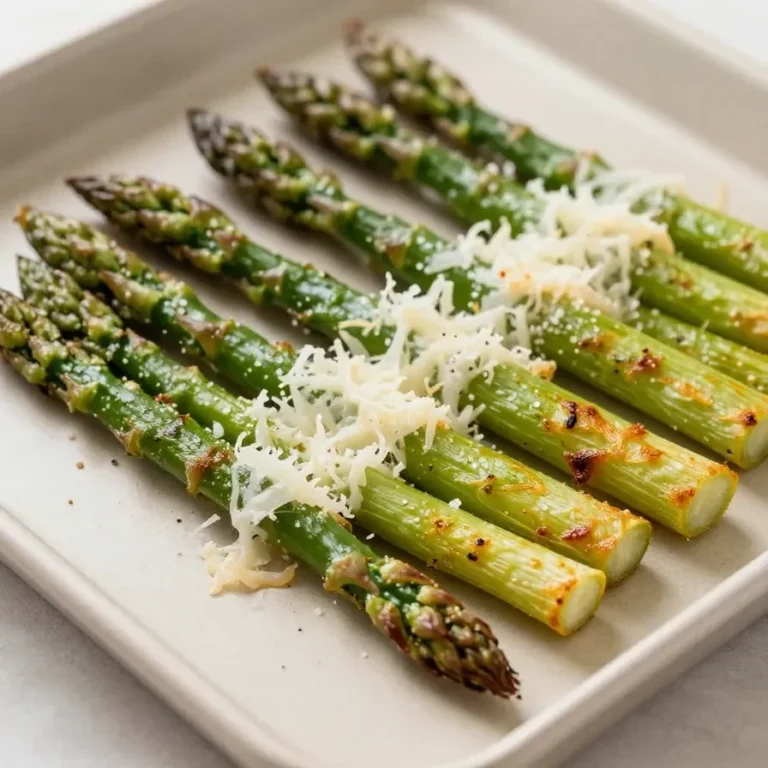
The visual cue for finished Pan Fried Asparagus is a vibrant, bright green color with localized dark brown or blackened charred spots. Technically, the spear should be “al dente.” When you lift a stalk with your tongs, it should have a slight bend but not go completely limp. If the stalk droops significantly, you have overcooked it. Pierce the thickest part with a fork; it should meet slight resistance but slide through easily.
Can I use frozen asparagus for this recipe?
I do not recommend using frozen stalks for Pan Fried Asparagus. The freezing process breaks down the cellular walls of the vegetable, releasing significant amounts of water upon thawing. This moisture makes it nearly impossible to achieve a proper sear in a frying pan. If you must use frozen, it is better to roast them at a very high temperature in the oven or incorporate them into a soup where texture is less of a priority.
Pan-fried asparagus is not just a simple dish; it offers a unique blend of flavors and textures that can elevate any meal. The technique focuses on achieving a perfect sear while retaining essential nutrients, which you can learn more about through this interesting article on nutrition.
Final Thoughts
Executing the perfect Pan Fried Asparagus is a fundamental skill for any serious home cook. It demonstrates your ability to control heat and respect the integrity of fresh produce. By following these technical steps, you transform a simple stalk into a culinary highlight. Enjoy the process.
Nutrition Information (per serving)
| Metric | Amount |
|---|---|
| Calories | 85 kcal |
| Protein | 3g |
| Total Fat | 7g |
| Carbohydrates | 5g |
| Fiber | 3g |
| Net Carbs | 2g |
Pan Fried Asparagus
Mastering Pan Fried Asparagus requires understanding thermal transfer and moisture management. This technique creates a spear that retains its structure while developing a caramelized exterior, achieving a perfect balance between crunch and tenderness.
Ingredients
Method
- Wash the asparagus under cold water and pat them completely dry. Trim the bottom inch of the stalks where the fiber becomes woody.
- Place your skillet over medium-high heat. Add the avocado oil and wait until it shimmers.
- Carefully lay the spears in the hot pan. Do not overcrowd the surface. Let them sit undisturbed for two minutes.
- Once they begin to soften and blister, push the stalks to one side. Add the minced garlic and butter to the empty space, cooking until fragrant.
- Toss the stalks with the garlic mixture. Season with salt and pepper. Turn off the heat and squeeze fresh lemon over the pan.
Notes
Use a heavy-bottomed pan like cast iron for optimal results. Avoid salting early to prevent moisture release. Store leftovers in an airtight glass container for up to three days.